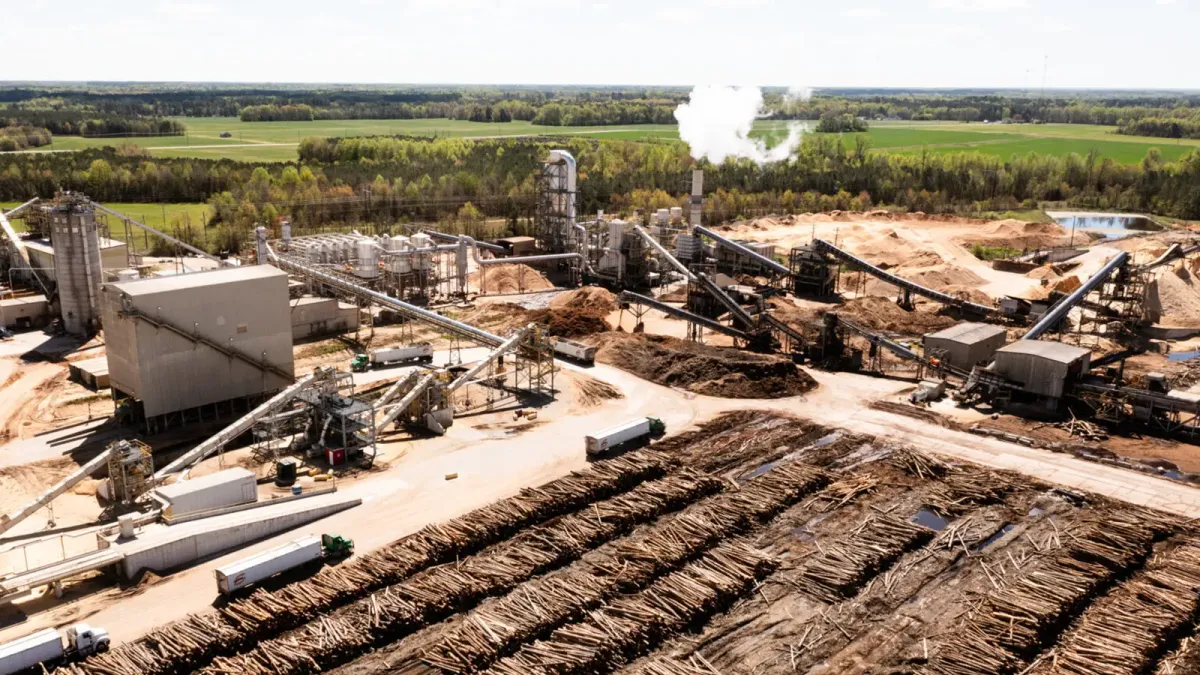
Ruby Bell, a retired educator in Faison, North Carolina, noticed a peculiar phenomenon after a new wood pellet facility rolled into town. Step outside, and suddenly her nose was running, her eyes burning, and her pants dusted with… well, dust. If it was this bad just walking around, she shuddered to think what it was like for those living closer to the plant.
So, like any good educator, she started organizing.
Her experience wasn't unique. It inspired Sherri White-Williamson, a veteran of federal agencies who, at 63, decided to go to law school. Her mission? To fight industrial pollution in her home state. After graduating, she founded the Environmental Justice Community Action Network (EJCAN), a group dedicated to helping rural communities protect themselves. Because, as she puts it, the most effective advocates are the ones living the problem.

EJCAN initially took on hog farms and landfills. Then, a new beast emerged: the booming wood pellet industry. It turns out Bell's early concerns were spot on. The Enviva Biomass facility didn't bring many jobs, but it did bring noise, truck traffic, and a healthy dose of worsened air quality.
We're a new kind of news feed.
Regular news is designed to drain you. We're a non-profit built to restore you. Every story we publish is scored for impact, progress, and hope.
Start Your News DetoxThe Irony of 'Renewable' Energy
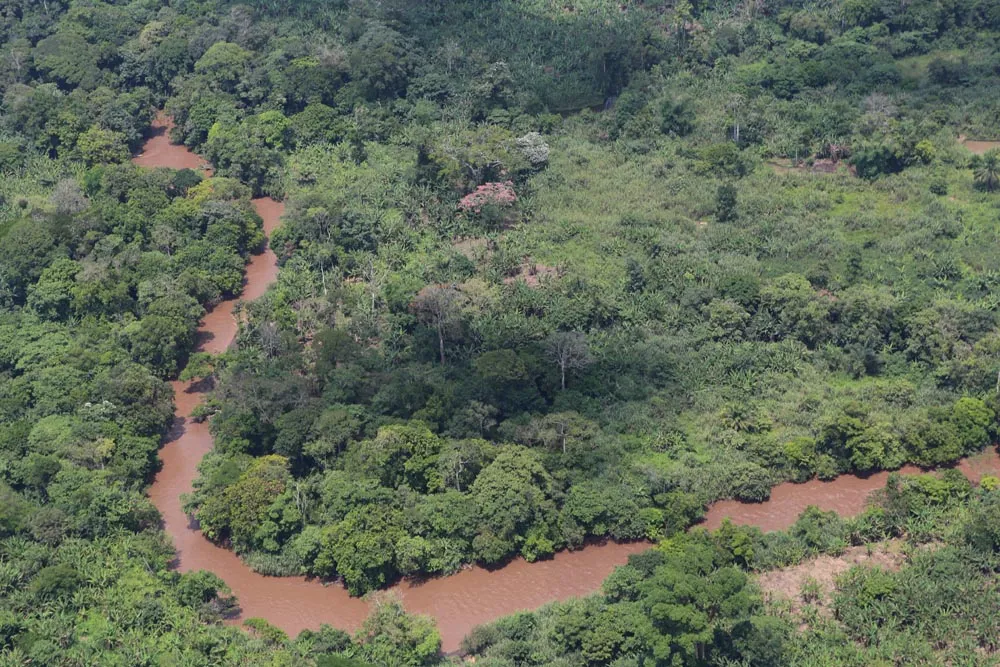
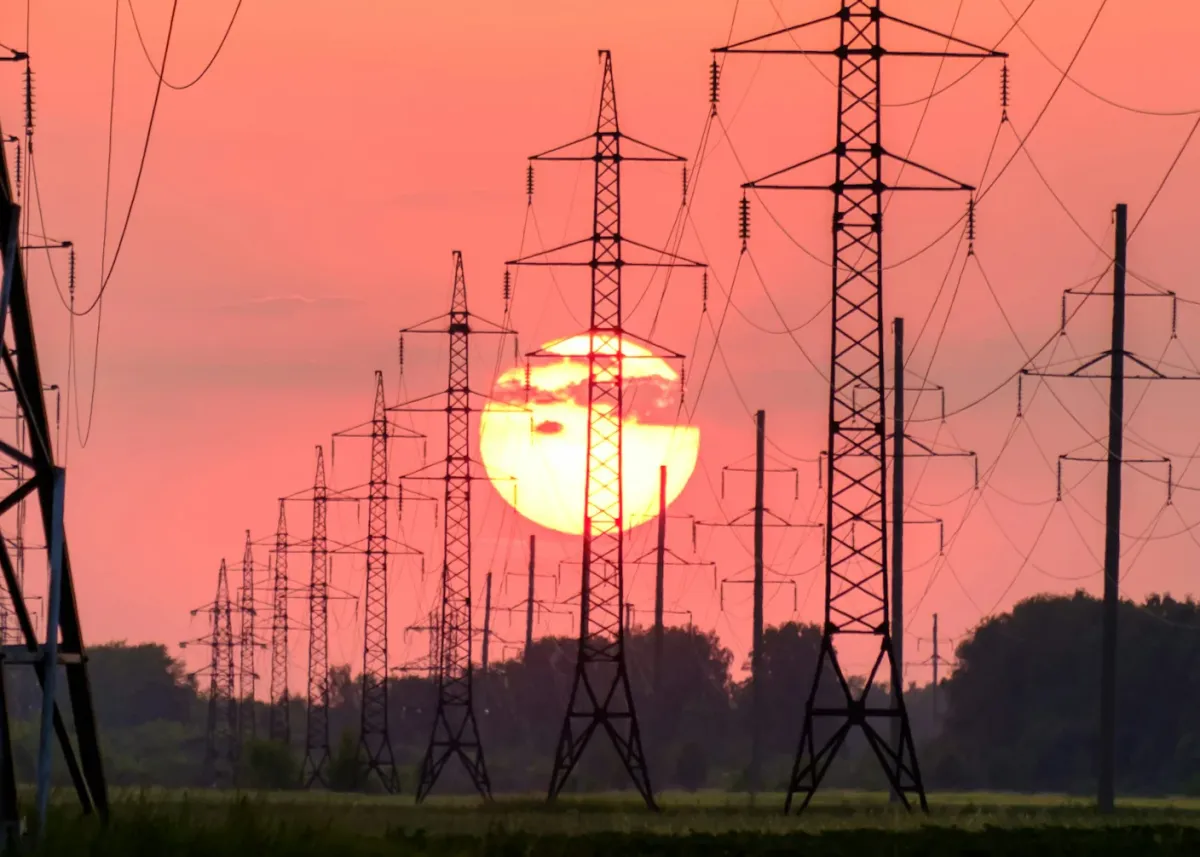
Here’s the kicker: this whole wood pellet craze started in Europe. In the late 2000s, Europe, in a noble quest for greener energy, set ambitious emissions reduction goals. And where did they look for their 'renewable' solution? To the vast, unsuspecting forests of the American South. Because apparently, that’s where we are now.
Today, Enviva facilities in North Carolina alone devour about 50,000 acres of forest each year. That’s according to the Dogwood Alliance, which points to the resulting flooding and deforestation. The company claims it only uses wood unsuitable for other uses, like tree limbs. Environmental groups, however, have conveniently found evidence of clear-cut logging and mature trees ending up in the grinder.
These trees are chipped, dried, and pressed into pellets, then shipped overseas. These are forests that would otherwise be busy storing carbon, minding their own business. The real head-scratcher? Burning these wood pellets can release more carbon than burning coal. And while trees are technically renewable, it takes over a century for new growth to reabsorb the CO2 released — far more than the original forests held.
A Breath of Not-So-Fresh Air
Unsurprisingly, these wood pellet facilities tend to pop up in communities already struggling with pollution and environmental injustices. Oversight has, shall we say, lagged a bit. In 2019, Enviva even expanded production despite community objections, and after receiving citations for emitting too many toxins. "The story is always the same," White-Williamson observes, dryly. "The community that doesn’t have the power… is always getting the short end of the stick."
Professor Danielle Purifoy from UNC explains the health cocktail released: particulate matter, carbon monoxide, nitrogen oxide, and volatile organic compounds. All delightful additions to the respiratory systems and sinuses of nearby residents, especially those with asthma. Dust, of course, is a bonus.

The Southern Environmental Law Center (SELC) surveyed residents and confirmed what everyone already knew: biomass plants are a daily headache. People complained about constant noise, needing to wash their cars daily, feeling uncomfortable on their own porches, and some even resorted to wearing masks indoors. The kind of things that make you want to tell someone.
But the good news? People are speaking up. They’re connecting the dots between their runny noses and the industry. EJCAN is helping them document the harm and build the power to advocate for protections. Because sometimes, the only way to get a clean breath is to make some noise yourself.