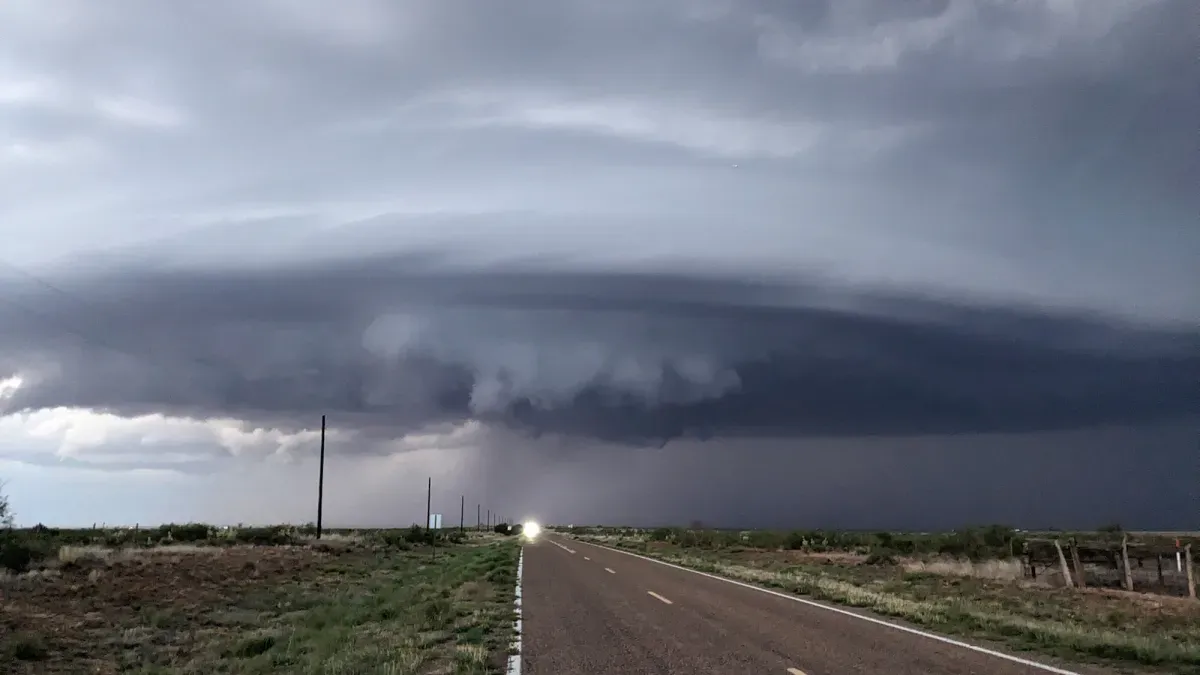
Forget the Hollywood theatrics of flying cars and cows in Twister. The real world of storm chasing is less about dramatic escapes and more about spreadsheets, strategy, and saving lives. It's a surprisingly methodical dance with Mother Nature, where the biggest thrill often comes from a well-placed warning.
Every spring and summer, the Great Plains become a magnet for some 5,000 meteorologists, hobbyists, and tourists. They're not just looking for a selfie with a funnel cloud; they're gathering crucial data, providing ground-level intel, and, sometimes, preventing catastrophe. As veteran storm chaser Cyrena Arnold puts it, seeing a storm, reporting it, and triggering a warning is incredibly rewarding. "Because you may have just saved lives," she notes. Let that sink in.
The Chess Match of Tornadoes
Storm chasing has evolved. While some still aim to get as close as humanly possible (without, you know, becoming one with the storm), others are focused on the science. Advanced radar is great, but it can't tell you if that rotating cloud is actually kicking up dust on the ground. That's where the human element comes in. Chasers are the boots-on-the-ground intelligence, reporting exactly what they see to the National Weather Service. Arnold, with over two decades of experience, emphasizes their role: "We can be the eyes and ears on the ground for the National Weather Service, whether you’re a meteorologist or not."
We're a new kind of news feed.
Regular news is designed to drain you. We're a non-profit built to restore you. Every story we publish is scored for impact, progress, and hope.
Start Your News DetoxAnd unlike the competitive drama of the big screen, real storm chasers are a surprisingly chummy bunch. Sharing data and working together isn't just nice; it's essential for safety and accuracy. No one's stealing research; everyone's trying to find the same needle in a very large, windy haystack.
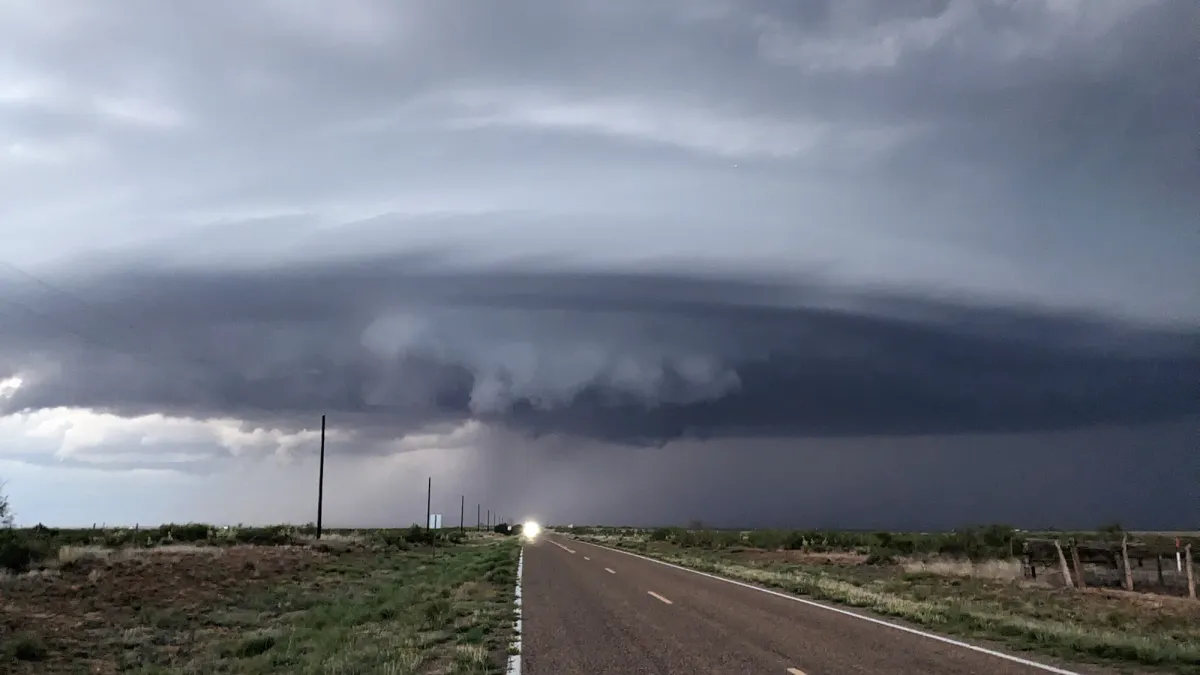
This isn't just about hopping in a car and driving towards a dark cloud. It's a painstaking process of forecasting, tracking atmospheric signals, and pinpointing locations. Arnold, who drives her team's vehicle (because apparently, looking at forecast models while moving makes her carsick), explains the precision: "Maybe I know things are going to blow up in east Kansas, but east Kansas is a really big place. So I need to know where I should be, down to what town I want to be [in]." It’s a meteorological chess match, played out on rural roads that can quickly turn into slick, gooey mud.
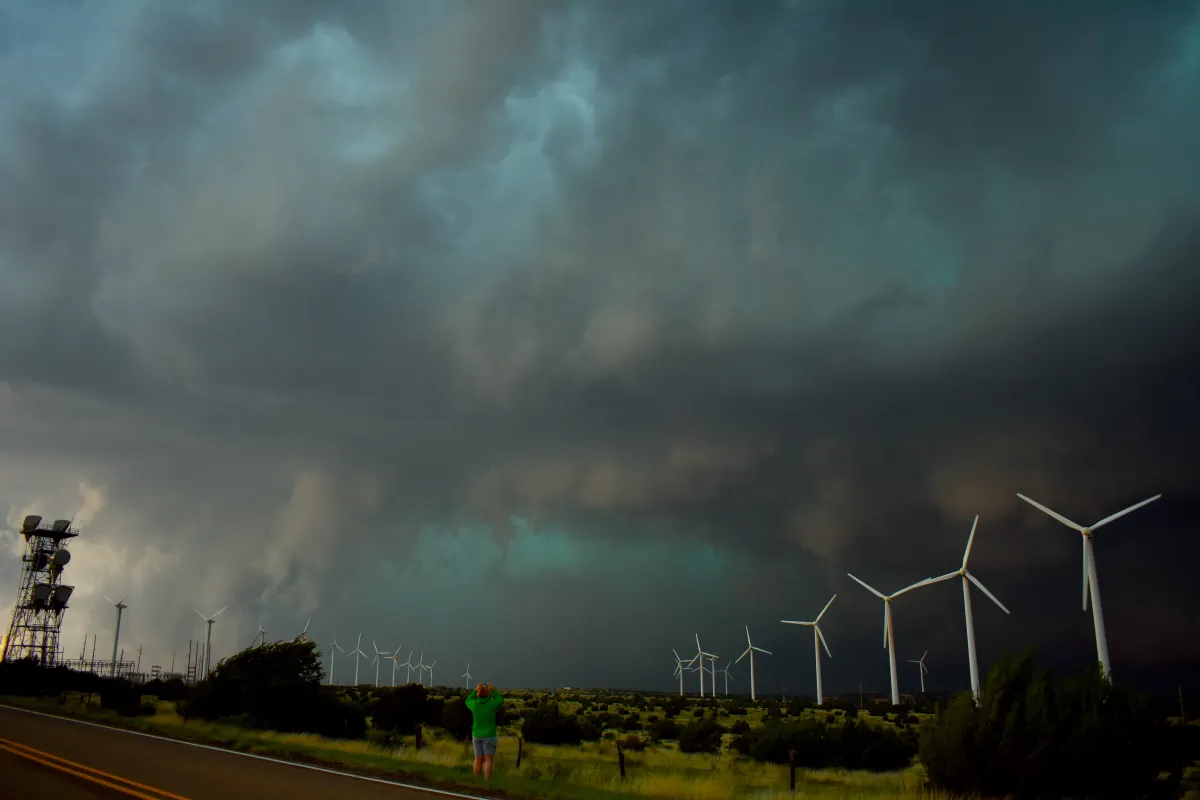
Before any storm, there are the decidedly un-glamorous tasks: charging batteries, gassing up the car, eating a decent meal, and, crucially, picking the right footwear. Because, as Arnold wisely advises, you really don't want to be storm chasing in flip-flops.
DVD-Sized Hail and the Odds
If you think every chase ends with a tornado sighting, prepare for a dose of reality. Arnold says the odds are about one in ten. So, for every ten storms pursued, you'll likely only find one actual tornado. The other nine? Still valuable for collecting data on severe thunderstorms, which can bring dangerous flooding and winds even without a twister. Still, the tornado is the main event.
When everything aligns, it's a flurry of activity: analyzing data, snapping photos, and keeping an eye on escape routes. Most tornadoes move west to east, thanks to the jet stream, that powerful "air river" that pushes weather systems around. So, often, a quick drive south is the easiest way out. Unlike hurricanes, which are city-swallowing behemoths, tornado paths are much narrower, making tactical retreats far more feasible.
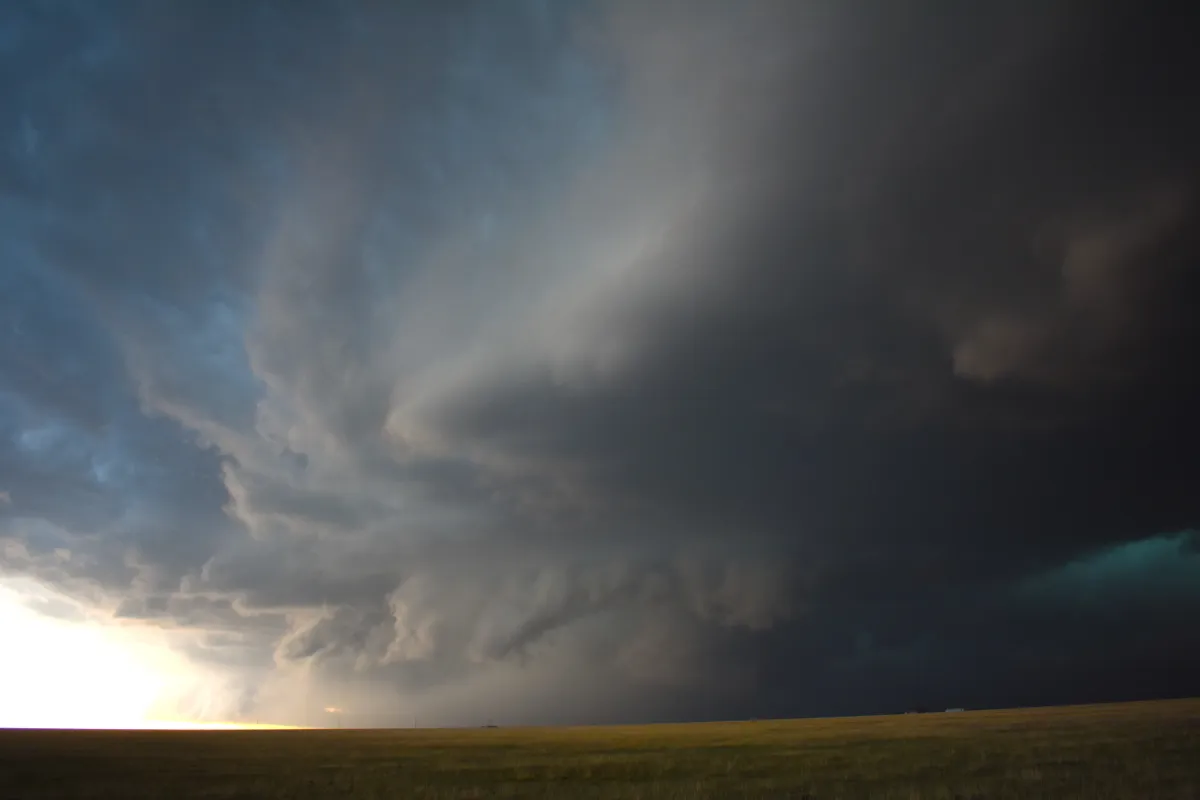
And while the movies love to amp up the danger, storm chasing isn't nearly as deadly as portrayed. Tragedies do happen, like the loss of Tim Samaras and his team in 2013, but they are rare.
Just this past May, in southwest Texas, Arnold and her crew encountered a new kind of hail during an EF3 tornado (that's 136 to 165 mph winds, for the curious). The warning came in for something unprecedented: "DVD-sized hail." Yes, actual DVD-sized. It was the first time that comparison was used instead of the usual golf ball or ping pong ball. They had ample warning, thankfully, and got to safety. Because even when the hail gets a new, slightly absurd measurement, preparation is still king.
Ultimately, storm chasing is a bizarre blend of high-stakes science, meticulous planning, and a deep respect for nature's raw power. As Arnold puts it, being out there makes you feel small and insignificant. "Seeing what Mother Nature is capable of is just incredible."