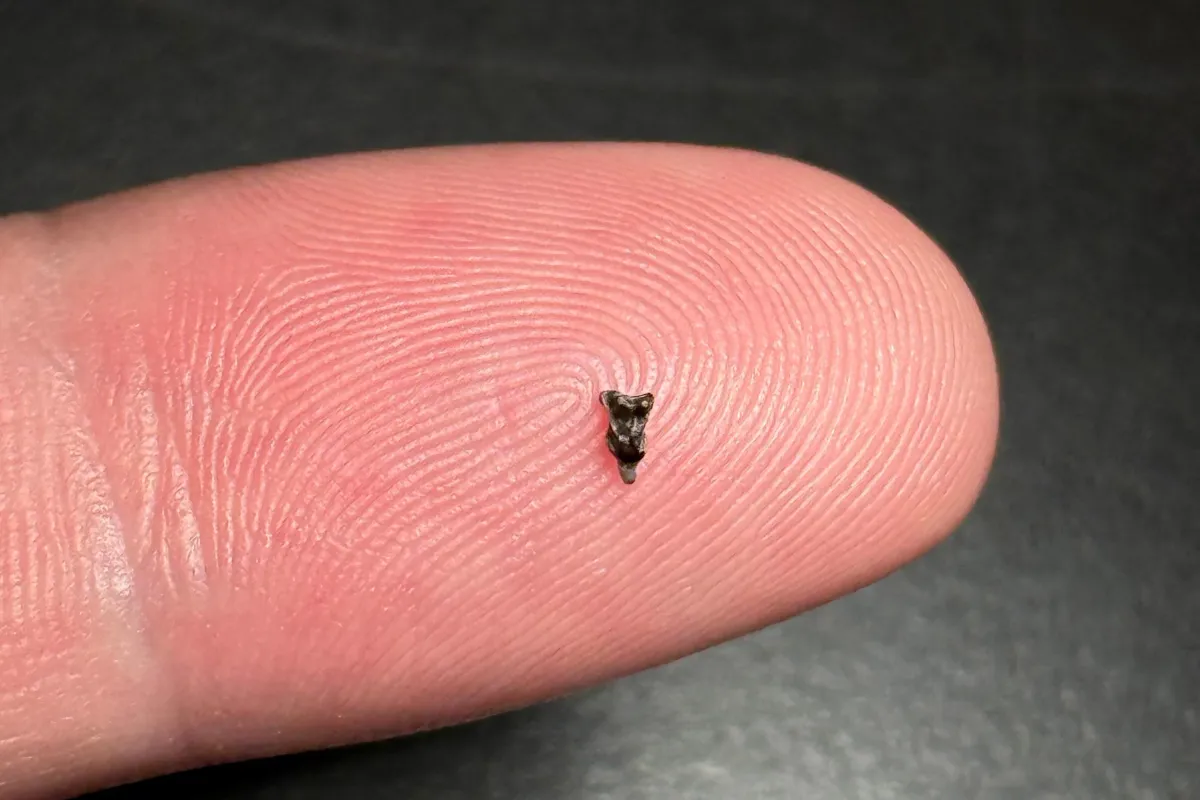
A handful of teeth smaller than a baby's fingernail just rewrote the map of human origins. Scientists working in Colorado's Denver Basin have found the southernmost fossils of Purgatorius ever discovered—a shrew-sized creature that lived 65.9 million years ago and is the oldest known relative of every primate alive today, including us.
For nearly 150 years, paleontologists had found Purgatorius only in Montana and southwestern Canada. Later primate cousins showed up in the southwestern United States, but roughly two million years later, leaving a puzzling gap that researchers couldn't explain. The Colorado discovery, published in the Journal of Vertebrate Paleontology, fills that gap and suggests something important about how our earliest ancestors moved across the continent.
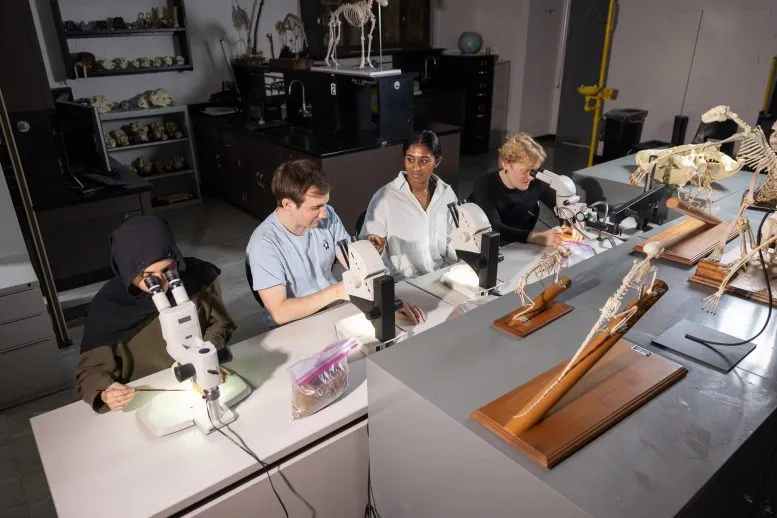
"The presence of these fossils in Colorado suggests that archaic primates originated in the north and then spread southward, diversifying soon after the mass extinction at the end of the Cretaceous Period," explains Dr. Stephen Chester, the lead researcher from Brooklyn College.
We're a new kind of news feed.
Regular news is designed to drain you. We're a non-profit built to restore you. Every story we publish is scored for impact, progress, and hope.
Start Your News DetoxHow a Closer Look Changed Everything
The story of this discovery reveals something crucial about how science works: sometimes the absence of evidence isn't evidence of absence. Paleontologists had long assumed that Purgatorius couldn't have survived south of Montana because the asteroid impact 66 million years ago had devastated forests across the continent. But when plant specialists looked more closely, they realized forests recovered quickly—much faster than anyone had thought.
If plants bounced back fast, Purgatorius should have too. The real problem wasn't geography or extinction; it was method. Traditional fossil hunting relies on walking the surface and spotting what's visible to the naked eye. Teeth the size of a grain of rice don't work that way.
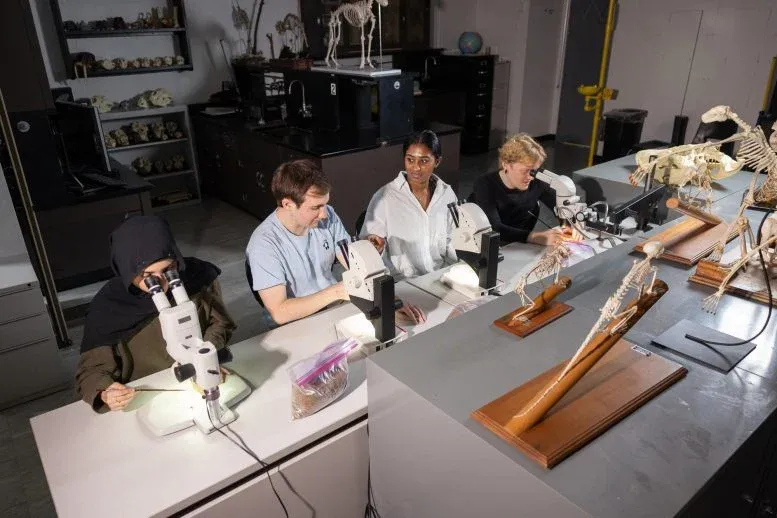
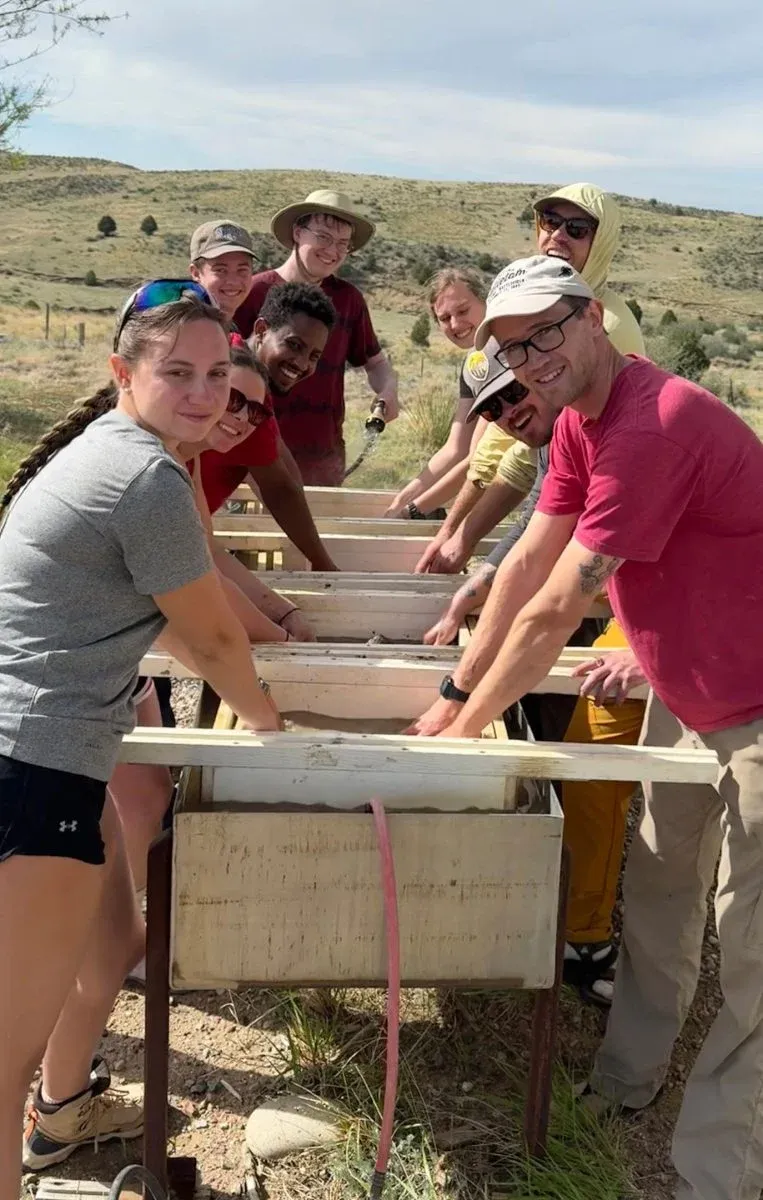
So researchers did something unglamorous but transformative: they washed sediment. Lots of it. Dr. Chester and colleagues at the Denver Museum of Nature & Science used careful screen-washing techniques, sifting through enormous amounts of rock and dirt. Students and volunteers spent countless hours sorting through the debris, recovering fossils of fish, crocodilians, and turtles. Buried in that patient work were several Purgatorius teeth so small they'd been invisible to every paleontologist who'd walked across this site for the past century and a half.
Dr. Jordan Crowell, a postdoctoral fellow involved in the research, notes that these teeth might belong to an even earlier species of Purgatorius than previously known. "The specimens have a unique combination of features compared to known species," he says. The team is waiting for more material to confirm whether they've found something entirely new.
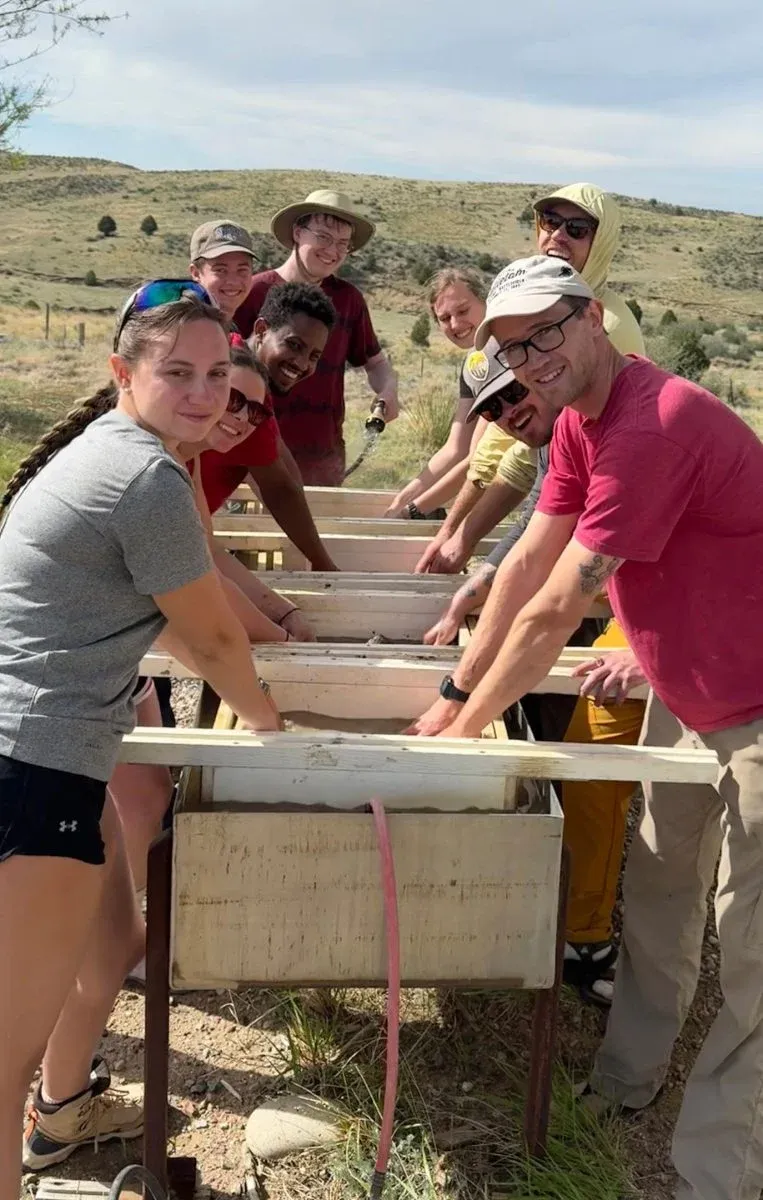
What makes this matter beyond the specific discovery is what it reveals about fossil records themselves. We tend to think of paleontology as finding dinosaur skeletons in dramatic cliff faces. But the truth is messier and more human-scaled: most of what we know about deep time comes from careful, repetitive work by teams of people willing to spend hours sifting dirt. Miss the right technique, and you miss 65 million years of evolutionary history.
The research, supported by a nearly $3 million National Science Foundation grant, is part of a larger effort to understand how life recovered after the dinosaurs vanished. That recovery—how ecosystems rebuilt themselves, how new species spread, how our own lineage began—turns out to depend on questions we can only answer by looking harder, not just looking further.