What if your sleep could tell you how fast your brain is really aging? Seriously, scientists just found a hidden signal in our sleeping brains that might do exactly that. It could even flag your risk for dementia years down the road.
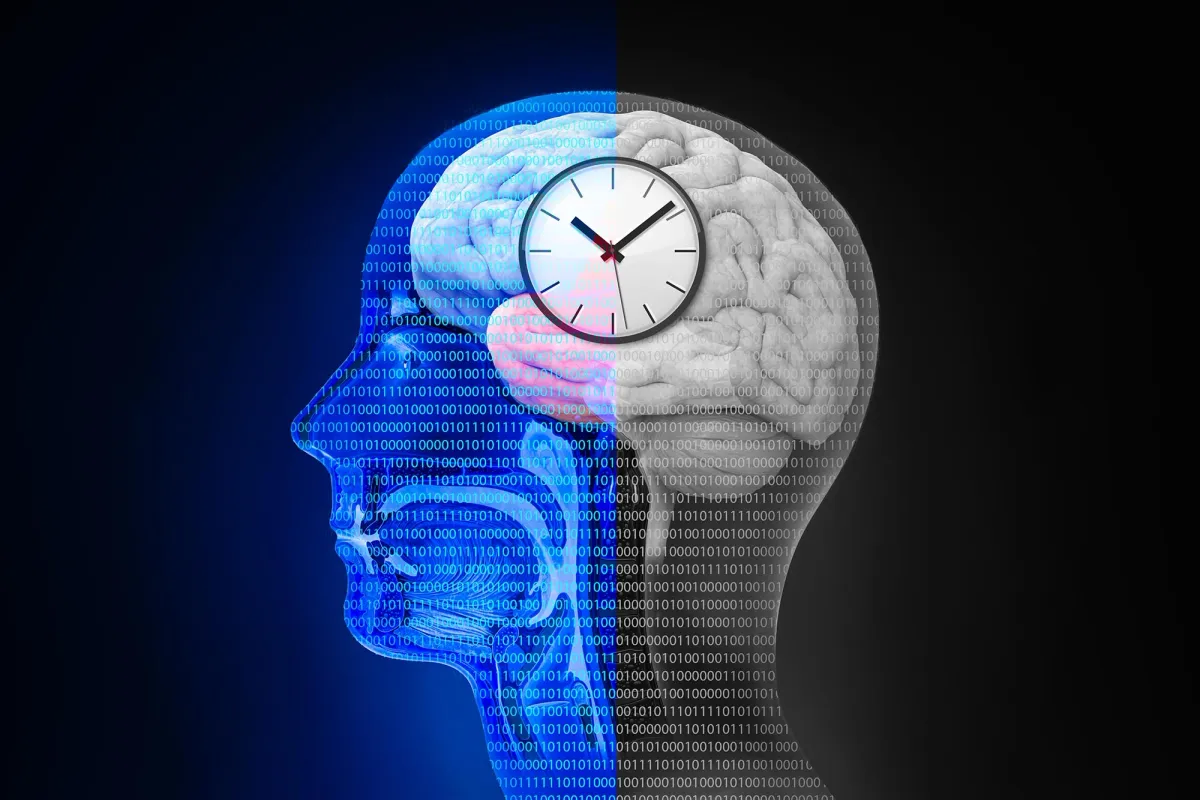
Here’s the wild part: Researchers used a clever computer program to peek at brain waves during sleep. They found some clear differences between a person's actual age and their "brain age." And if your brain age was older than your real age, your risk of developing dementia went up. Like, a lot.
Your Sleep Holds Secrets
This isn't just a hunch. For every 10 years your brain age was older than your actual age, your dementia risk jumped by almost 40%. On the flip side, if your brain seemed younger than you are, your risk was lower. Pretty nuts, right?
We're a new kind of news feed.
Regular news is designed to drain you. We're a non-profit built to restore you. Every story we publish is scored for impact, progress, and hope.
Start Your News DetoxA team from UC San Francisco and Beth Israel Deaconess Medical Center in Boston led this research. They built a machine-learning model that looked at 13 super-specific details in brain wave activity. They fed it data from about 7,000 people aged 40 to 94 who didn't have dementia when the studies started.
Over the next few years, about 1,000 of those people were diagnosed with dementia. The model picked up on subtle patterns in sleep brain waves that regular sleep tests often miss. This is key because earlier studies using basic sleep data didn't find such a strong connection.
Yue Leng, a professor at UCSF, pointed out that simple measurements don't capture how truly complex sleep is. This new approach digs deeper.
What Your Brain Waves Are Saying
Some of the brain wave features linked to a younger brain age are known to help with memory and overall brain function. Think delta waves, which happen during deep sleep, and sleep spindles – those quick bursts of brain activity that help your memory lock in.
One seriously cool finding was about sharp, strong spikes in brain activity called kurtosis. More of these signals were connected to a lower risk of dementia. The link between an "older" brain age and higher dementia risk held up, even after accounting for things like education, smoking, body weight, and even genetic risks. That's how powerful these hidden signals are.
Since these brain signals can be recorded without surgery, researchers think measuring your brain age could eventually happen outside of a hospital, maybe even with a wearable device. Imagine your smart ring telling you how well your brain is really aging.
And get this: the results hint that improving your sleep quality could actually affect how your brain ages. Leng mentioned earlier research showing that treating sleep problems can change those brain wave patterns. So, taking care of your sleep isn't just about feeling rested — it might be about keeping your brain young.