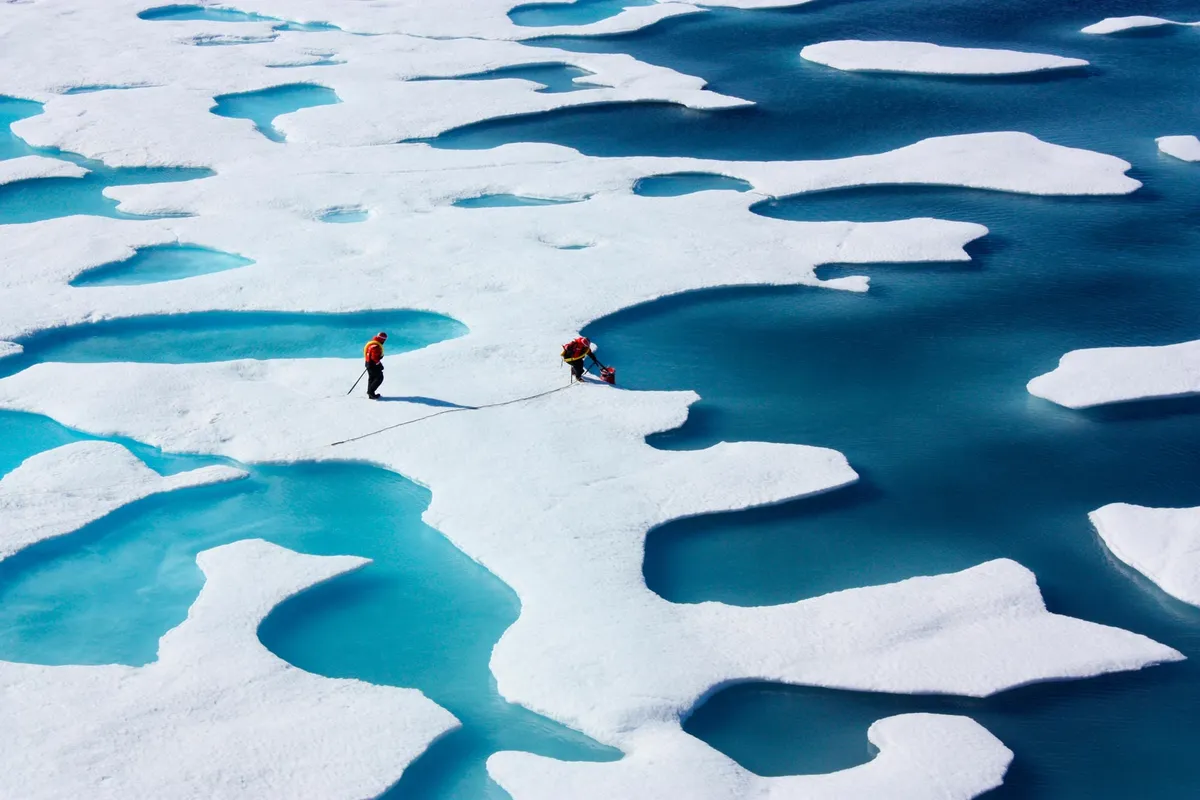
Arctic sea ice is vanishing faster than most models predicted, and now scientists have built a tool that can see it coming. Researchers from the US and UK have developed a method that forecasts Arctic sea ice extent—the area of ocean covered by ice—several months ahead, giving communities and industries time to prepare for conditions that will keep shifting for decades.
The Arctic ice sheet does more than sit at the top of the map. It reflects sunlight back into space, regulates ocean currents, and shapes weather patterns that ripple across the Northern Hemisphere. As climate change thins the ice, tracking what happens in September—when Arctic ice reaches its annual minimum—has become a crucial benchmark for understanding how fast the system is breaking down.
Reading the ice through multiple timescales
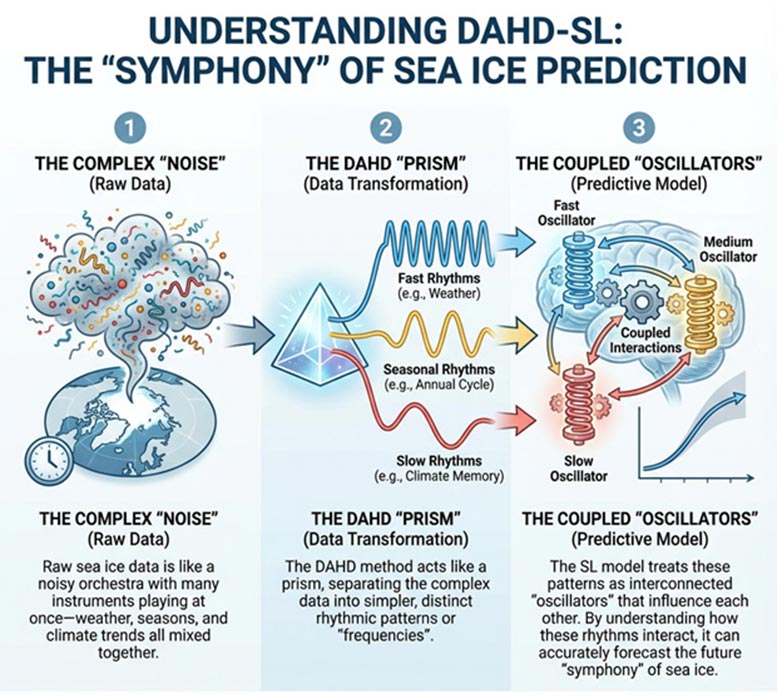
The breakthrough, published in Chaos in February 2025, hinges on a simple insight: sea ice doesn't respond to one force. Instead, it's shaped by long-term climate patterns, seasonal rhythms, and sudden weather shifts all working at once. The team analyzed daily ice measurements going back to 1978—nearly 50 years of data—to understand how these different timescales interact.
We're a new kind of news feed.
Regular news is designed to drain you. We're a non-profit built to restore you. Every story we publish is scored for impact, progress, and hope.
Start Your News Detox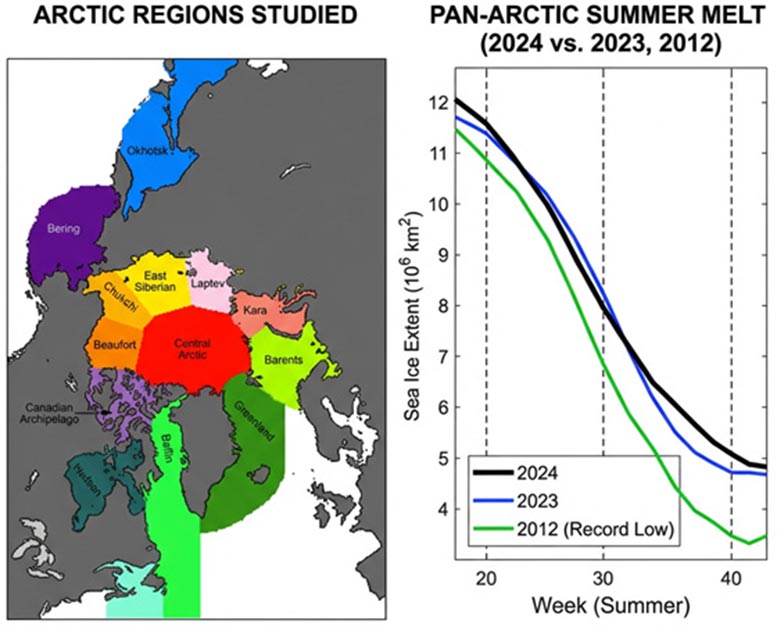
When they tested the model against real September 2024 data and historical records, it consistently outperformed existing forecasting methods, especially for predictions made one to four months ahead. That matters because short-term forecasts are usually the hardest—weather changes fast, and models struggle to keep up.
Why this changes the ground game
For Indigenous Arctic communities that hunt seals, walruses, and polar bears, reliable ice forecasts mean the difference between safe hunts and dangerous guesses. For the industries moving into the Arctic—oil and gas companies, fishing operations, tourism—accurate predictions reduce costs and risk. Dimitri Kondrashov, one of the researchers, put it plainly: "Advance knowledge of accurate ice conditions reduces risks and costs."
The model works by breaking the Arctic into regions rather than treating it as one uniform system. This matters because ice conditions vary wildly from year to year and place to place. A method that can capture those regional differences while still seeing the pan-Arctic pattern is rare.
What comes next
The team is already planning refinements—adding air temperature and sea level pressure data to capture the rapid fluctuations that still slip through the current model. The goal is to extend these reliable forecasts through the summer months, when the ice is most vulnerable and predictions matter most.