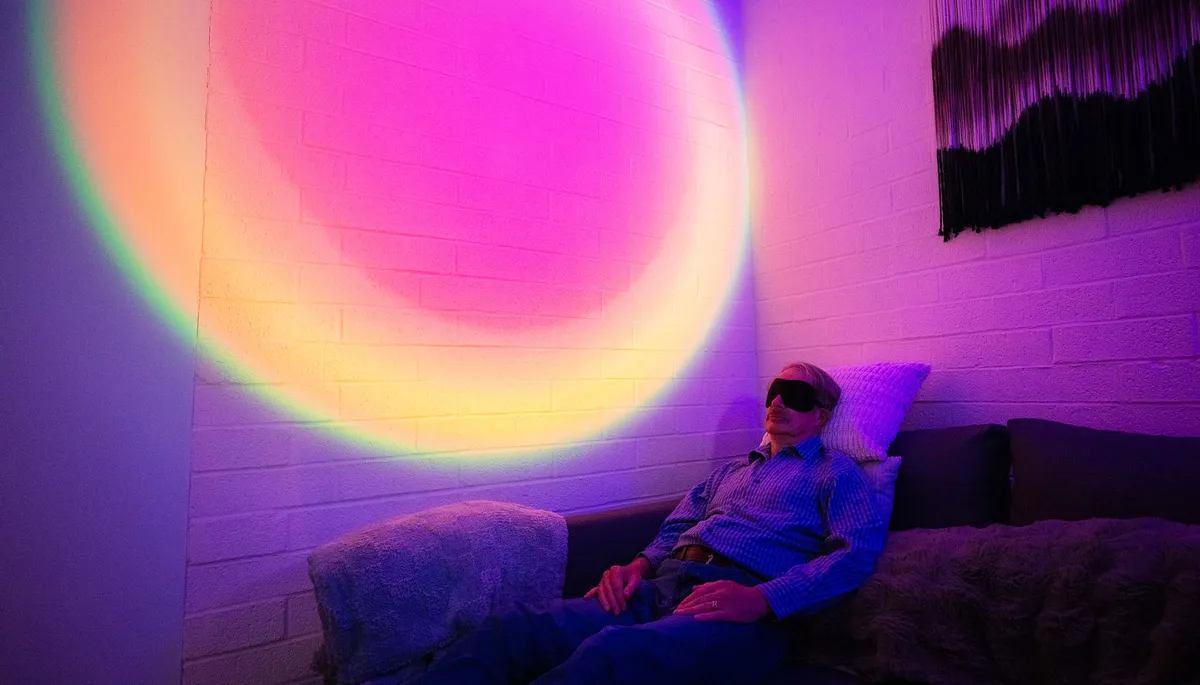
A new study at UC Berkeley is exploring if psilocybin, a compound found in psychedelic mushrooms, can help older adults age healthily. Researchers are using functional MRI and other tests to measure brain activity in people aged 60 to 85. They will do this before and after a psychedelic experience.
Psychedelics and Brain Health
The study, called PLASTICITY, is the first to use neuroimaging to focus on older adults and psychedelics. It aims to see how psilocybin affects memory, perception, emotion, and brain structure. The team wants to know if psychedelics can boost neuroplasticity, which is the brain's ability to change and adapt. They also want to see if it helps with emotional regulation, social connection, and feelings of awe.
Previous research shows psychedelics can lower negative feelings like depression and anxiety. These negative states might be linked to faster aging. Tyler Toueg, a UC Berkeley neuroscience student who helped design the study, noted the overlap. He said many mental states influenced by psychedelics are also important for healthy aging.
We're a new kind of news feed.
Regular news is designed to drain you. We're a non-profit built to restore you. Every story we publish is scored for impact, progress, and hope.
Start Your News DetoxAs more people live longer, cognitive decline and diseases like Alzheimer's are becoming more common. This creates a need for new ways to promote healthy aging. Studies in animals have shown that psilocybin can increase connections in brain areas like the hippocampus and prefrontal cortex. If this also happens in humans, it could help counter brain changes that come with aging.
Toueg is especially interested in measuring these brain changes in older adults.
Including Older Adults in Research
Most modern psychedelic studies have not included many older adults. A 2024 review found that only about 1.4% of participants in these studies were older adults.
Michael Silver, a professor and director at the Berkeley Center for the Science of Psychedelics, explained why this is important. He said older adults could benefit greatly from compounds that improve brain plasticity. This study will test if promising animal findings apply to older humans. It will also gather data for future research on aging, thinking, and mental health.
Participants in the study will receive 1-30 mg of synthetic psilocybin. Researchers will do assessments before, one week after, and one month after the experience. These assessments include tests for thinking, perception, and emotion. They also involve advanced brain imaging. This imaging will look at the hippocampus, which is key for memory, and brain activity during memory tasks.
Participants will also have their visual perception measured. They will complete surveys to see how their experience relates to long-term well-being. The study will also check if psilocybin increases vagus nerve activity during positive emotions like awe. Increased vagus nerve activity is linked to better stress recovery, which could explain how psilocybin affects mental health.

Silver noted that UC Berkeley allows them to work with many experts. This includes scientists who study emotion, thinking, and aging. This teamwork helps them study many aspects of the lasting effects of psychedelic experiences.
The project was designed by Toueg and faculty from neuroscience, psychology, and psychiatry. These include Silver, William Jagust (who studies brain aging), Dacher Keltner (who studies emotion and well-being), and Brian Anderson (a psychiatrist and medical director for the study).