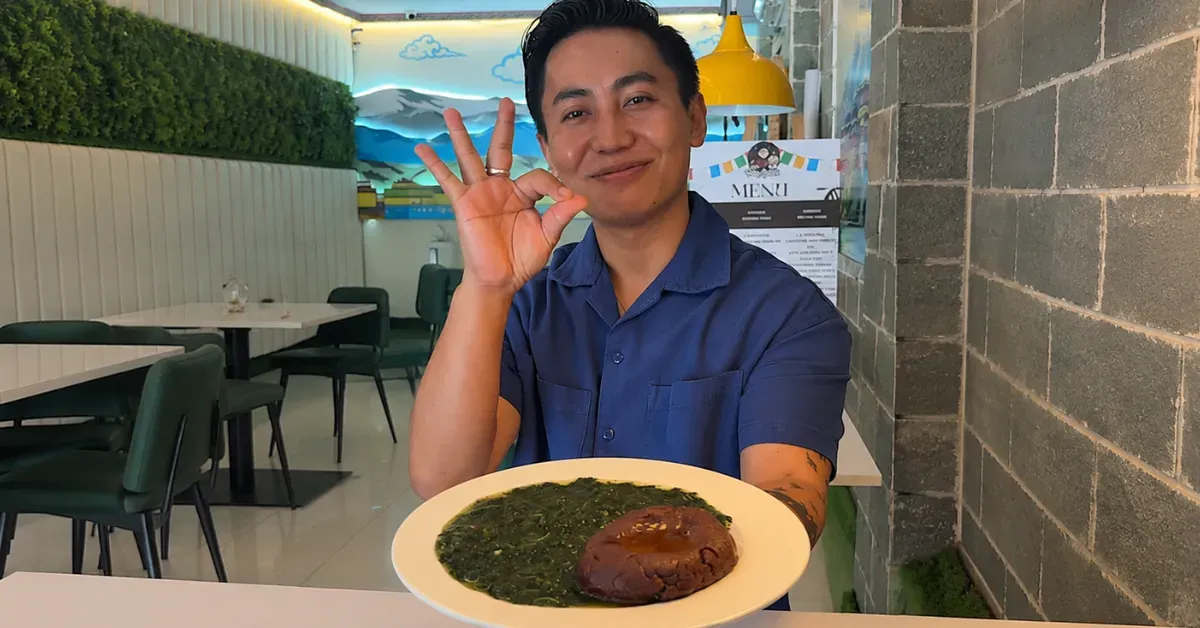
Before it becomes a warm, comforting bowl of jhol, the wild plant known as sisnu (or stinging nettle) demands a certain respect. Specifically, careful handling. Those tiny, almost invisible thorns? They're itching and rash machines if you're not paying attention.
Yet, for generations, families in Sikkim have not only embraced this prickly plant but turned it into Sisnu Ko Jhol — a simple, cherished dish served alongside rice. It's the kind of culinary alchemy that makes you wonder what else your grandma knew that you don't.
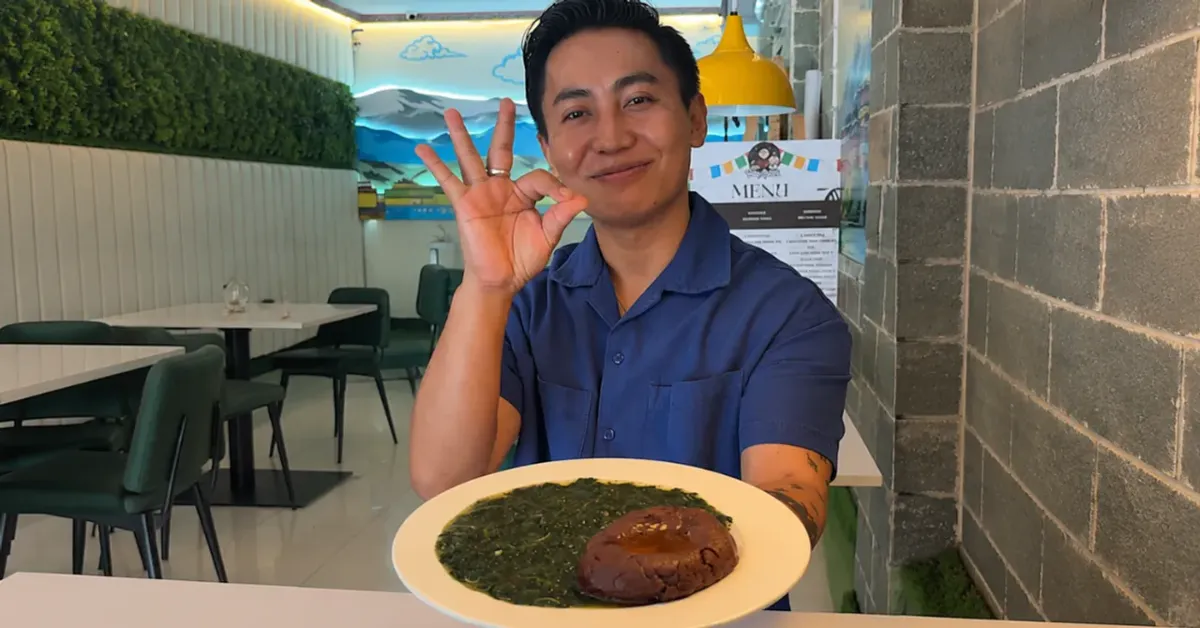
India, a land overflowing with food traditions, is also quietly watching many of these family recipes slowly fade. Which is why 'Finding India's Lost Recipes' — a series from The Better India — kicked off its journey in Sikkim, spotlighting a dish that stubbornly refuses to leave family kitchens.
We're a new kind of news feed.
Regular news is designed to drain you. We're a non-profit built to restore you. Every story we publish is scored for impact, progress, and hope.
Start Your News DetoxThe Unsung Hero of Sikkimese Comfort Food
At Rinchen's Momo in Kolkata, chef Rinchen is on a mission. He's sharing this lesser-known recipe, explaining its quiet importance. "People have forgotten this recipe, especially our Gen Z people right now," he laments while expertly preparing the dish, probably wondering if any TikTok trends involve de-thorning nettles.
Preparing sisnu starts, predictably, with a thorough cleaning. The stinging part means you can't exactly toss it in a colander and call it a day. Rinchen reveals a trick straight from his grandmother's playbook: a sprinkle of flour helps remove dirt and any tiny, unwanted hitchhikers before cooking. Because nobody wants extra protein that bites back.
Sisnu Ko Jhol isn't for special occasions; it's an everyday staple in Sikkim, often eaten like dal (lentils) with rice. It’s made without oil and with minimal spice, hitting that sweet spot between light, simple, and deeply comforting. Plus, many families swear it’s a stomach soother, especially during the sweltering summer months. Which, if you think about it, is a pretty good superpower for a plant that initially fights back.
The dish’s unique flavor comes from local herbs like timbur and chimping, common in Sikkimese cooking. These aren't just filler; they give Sisnu Ko Jhol a distinct taste that elevates it beyond just any other plate of greens.
For this particular episode, Rinchen serves the Sisnu with dhido, a traditional Nepali dish made from flour and water, similar to Karnataka’s ragi mudde. It’s soft, comforting, and a staple in many Nepali homes. Which makes sense, because what better to pair with a formerly stinging plant than something that feels like a warm hug?
Sisnu Ko Jhol, with its earthy, comforting taste, is a quiet reminder that some of the most memorable flavors are often the ones hidden in plain sight, waiting for someone to rediscover their story. And maybe, just maybe, make a few people slightly less scared of nettles.