For most of history, people grew kiwiberries for their flowers. The fruit itself was not important. Now, scientists are discovering how nutritious this small fruit truly is. For centuries, the kiwiberry was just an ornamental plant. Only in the last decade have researchers started to look closely at its health benefits.
A Long History, A New Discovery
The kiwiberry, known scientifically as Actinidia arguta, is much older than its larger kiwi cousin. Fossils show that this plant or its relatives have existed in places like Russia, China, Korea, and Japan for at least 25 million years. Western scientists first described it in 1843. However, it wasn't until the late 1990s that commercial farms started in Oregon.
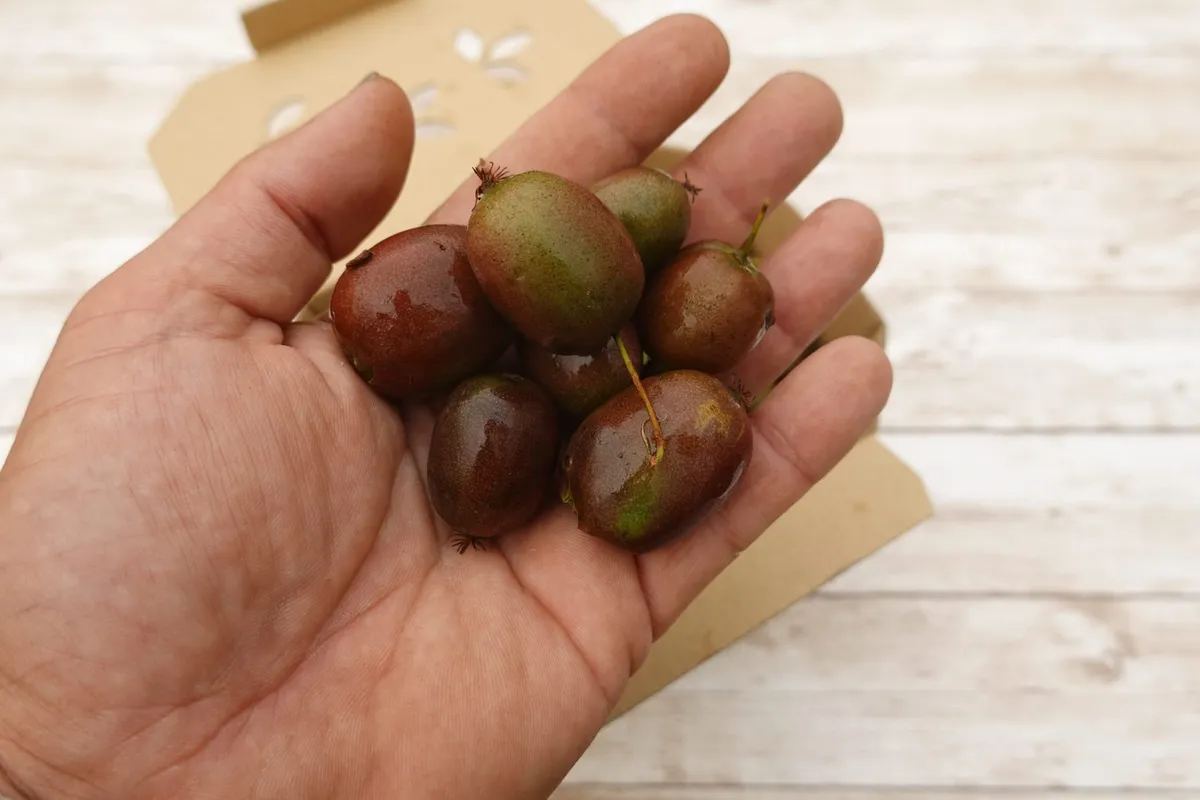
Interest in the fruit then grew. Countries like New Zealand, Chile, Italy, France, and Switzerland began growing them. China and South Korea, where the plant was already used in traditional medicine, also renewed their commercial interest around 2000. The name changed from "hardy kiwi" to "kiwiberry" in the 2010s. This name change reflects how people now see the fruit: not just a novelty, but a powerful source of nutrition.
We're a new kind of news feed.
Regular news is designed to drain you. We're a non-profit built to restore you. Every story we publish is scored for impact, progress, and hope.
Start Your News DetoxWhy the Skin Matters Most
What makes the kiwiberry special is that you eat the entire fruit, including the skin. This is important because most of its nutrients are in the skin.
A 2015 study found that kiwiberry skin has 10 times more phenolics, 13 times more flavonoids, and 10 times more vitamin C than the fruit's flesh. Most people peel fuzzy kiwis, missing out on the most nutrient-rich part. With kiwiberries, there's no need to peel. The whole fruit is packed with goodness.

Health Benefits Researchers Are Finding
Scientists are still learning about all the benefits, but early results are promising. Studies have found compounds in kiwiberries that act as antioxidants, reduce inflammation, and may help with diabetes and obesity. Researchers have also seen signs of brain protection and possible anti-cancer effects. Some studies suggest these compounds could even lead to new medicines.
A 2025 review noted that the goal is to see the mini kiwi not just as a tasty fruit, but as a source of healthy ingredients. They added that isolating these compounds could help develop anti-aging and anti-cancer drugs, encouraging more research. Studies on its anti-inflammatory properties and its potential to fight type-2 diabetes are still ongoing.
The Plant's Wild Side
There's one important detail: in some parts of the northeastern US, the kiwiberry vine is considered an invasive plant. It can grow very quickly and form thick patches that block sunlight, harming native plants. This has been seen in places like Vermont, Massachusetts, New York, and New Jersey.

It's interesting that the very traits that make it a problem in the wild — its adaptability, hardiness, and fast growth — are also what make it good for farming. The kiwiberry is not a result of special breeding. It's an ancient plant that has adapted to colder climates over millions of years. It was small long before people started paying attention to it as a snack.
Where to Find Kiwiberries
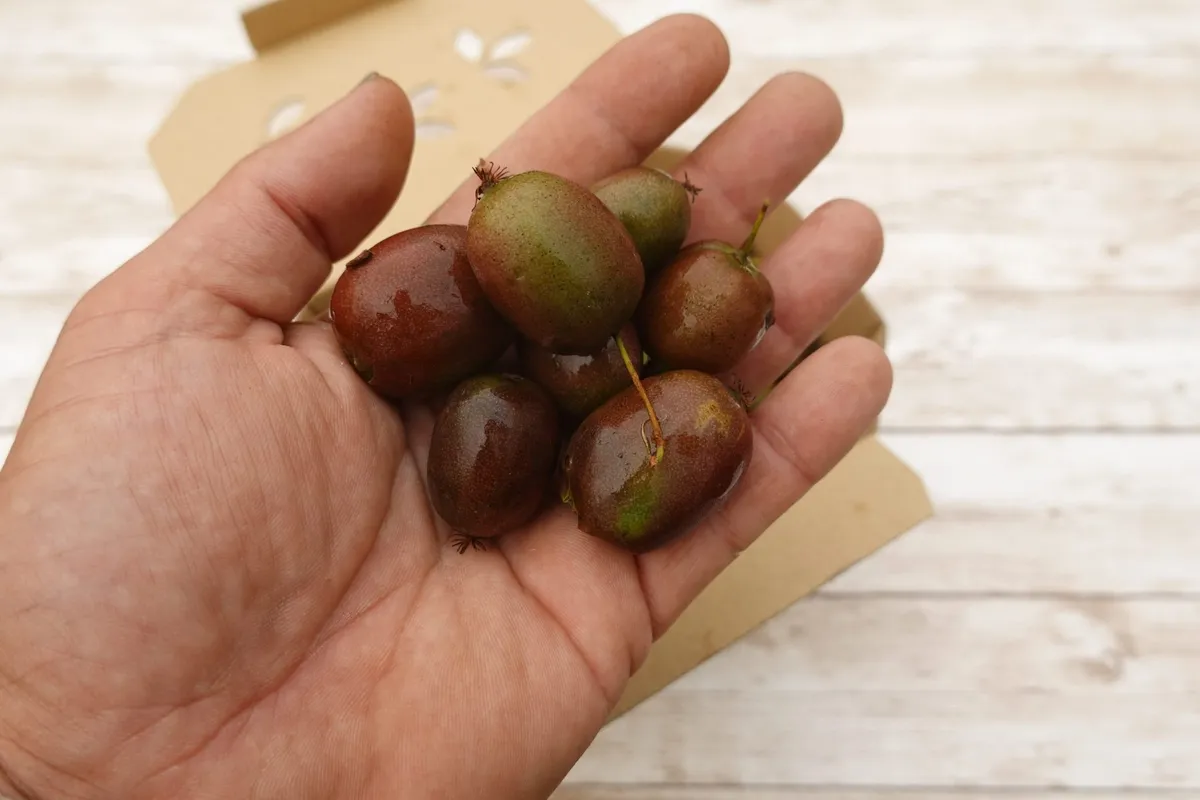
Kiwiberries are still seasonal and not everywhere yet. However, they are becoming more common in specialty grocery stores and farmers' markets, especially in the fall. They look like long green grapes with slightly thicker, smooth skin. When ripe, they are soft, sweet, and mild. Keeping them fresh and preventing bruising are challenges that researchers are working on. This is partly why the fruit hasn't become widely available yet.
Given what science is discovering, this might change soon. After 25 million years, the kiwiberry could finally be having its moment.