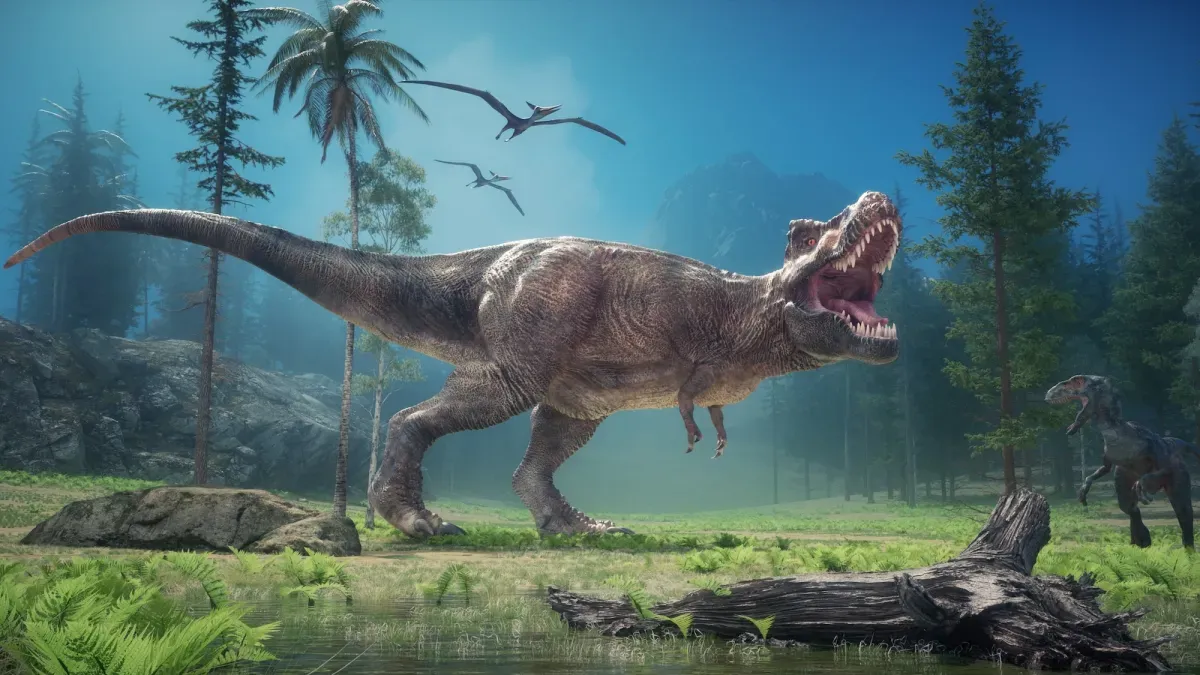
The Tyrannosaurus rex is a lot like that one friend who skips leg day but never misses an arm workout. Except, you know, the exact opposite. T. rex is famed for its giant head, enormous teeth, and those hilariously disproportionate little arms. But it turns out, our favorite prehistoric bully wasn't the only one rocking the mini-limb look. At least five groups of two-legged, meat-eating dinosaurs (theropods, to their paleontologist friends) saw their upper arms shrink over time. And now, scientists think they know why.
A research team, led by paleontologist Charlie Scherer, looked at data from 82 theropod species, including our buddy T. rex. Their conclusion? It's a classic "use it or lose it" scenario. When you've got a head the size of a small car and a bite force that could crush a minivan, who needs to bother with bicep curls?
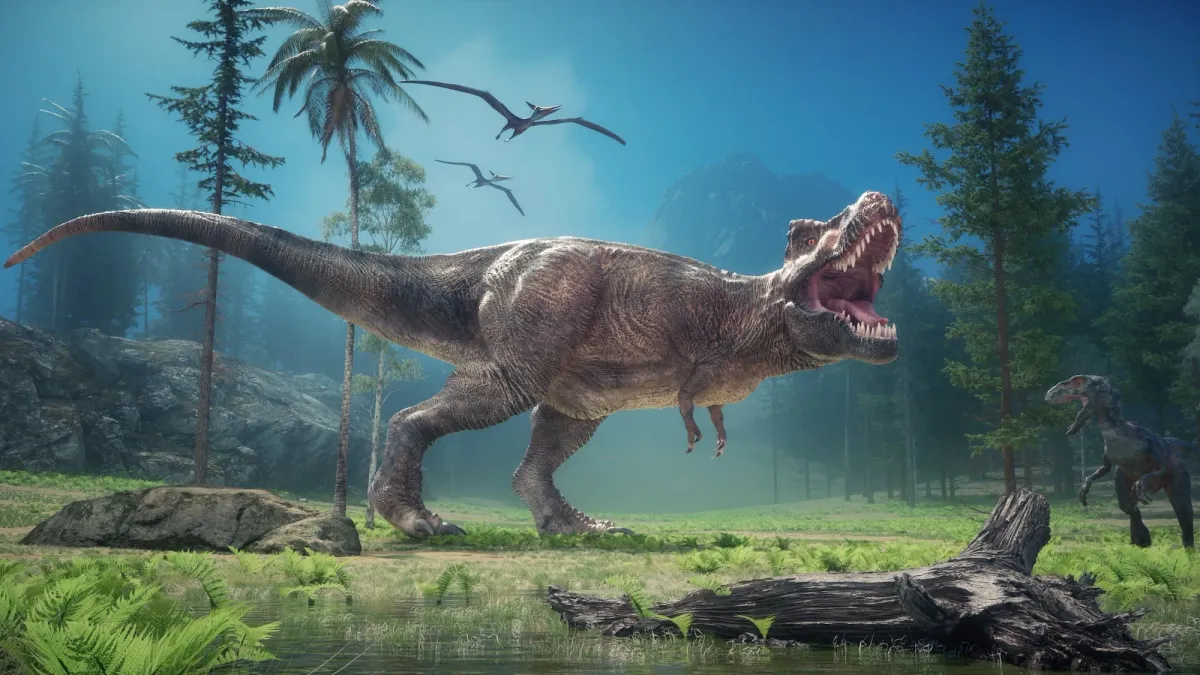
Big Head, Small Arms
Scherer's team, whose findings landed in Proceedings of the Royal Society B Biological Sciences, suggests that as these dinosaurs evolved monstrous skulls and jaws, their forearms just became... redundant. Especially when dinner started getting really big. Apparently, trying to wrestle a 100-foot-long sauropod with a couple of glorified drumsticks isn't exactly peak hunting strategy.
We're a new kind of news feed.
Regular news is designed to drain you. We're a non-profit built to restore you. Every story we publish is scored for impact, progress, and hope.
Start Your News DetoxThey developed a new system to measure dinosaur skull strength, factoring in size, bone density, and that all-important bite force. Unsurprisingly, T. rex came out on top with the strongest bite. Right behind it was Tyrannotitan, a nearly equally massive predator from Argentina that predated T. rex by over 30 million years. In both cases, the theory goes, short arms were a natural consequence of hunting super-sized prey with super-sized heads.
Funnily enough, this head-first approach wasn't just for the giants. Some smaller theropods, like Majungasaurus (a mere 1.75 tons, about one-fifth the size of T. rex), also sported strong heads and tiny forelimbs. It seems the moment these dinosaurs realized their jaws were their best weapon, evolution took over and started downsizing the unnecessary bits. Which, if you think about it, is both impressive and slightly terrifying. Imagine an entire species just collectively deciding, "Nah, we're good on the arm front."

Oh, and for the record, if you thought T. rex had the dinkiest arms, think again. Carnotaurus apparently holds that crown. Because apparently, even in the land of prehistoric predators, there's always someone with an even more absurdly small set of limbs.