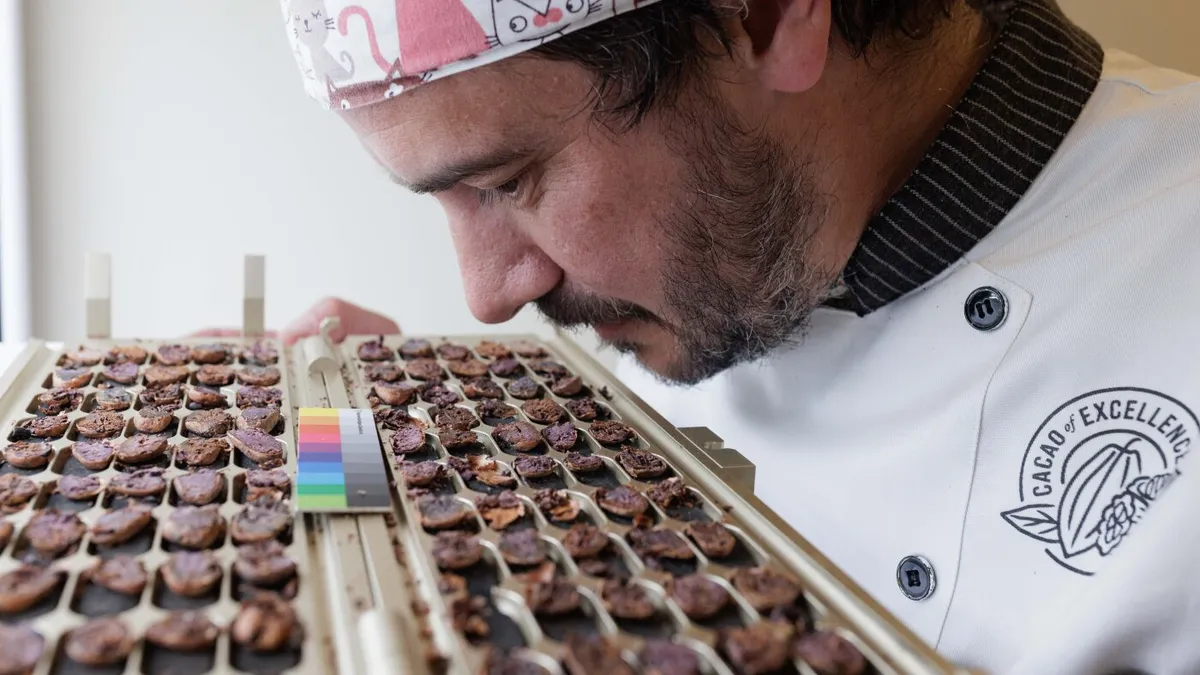
Chocolate scientist Julien Simonis carefully inspects 50 cacao beans, freshly cut in half. A distinct smell rises from them. This is a key first step in figuring out the quality of cacao.
In Rome, Simonis holds a small chocolate bar made from Hawaiian cacao beans. He breaks it and unwraps the gold foil. He puts a piece on his tongue, then breathes in and out to fully experience its smell and taste.
"My god," he whispers. "Each time I taste this, I'm always amazed. You have a boost of acidity. This burst of fresh flavors." Simonis tastes fruitiness, cardamom, and nutmeg.
We're a new kind of news feed.
Regular news is designed to drain you. We're a non-profit built to restore you. Every story we publish is scored for impact, progress, and hope.
Start Your News DetoxWhen he tries chocolate from a Peruvian farm, he finds a raisin flavor that turns nutty. "It's extremely creamy," Simonis says.
Creating a Common Language for Cacao
Every cacao is unique due to its "incredible amount of genetic variety," Simonis explains. For a long time, there was no standard way to compare the many different beans from tropical farms. This was unlike wine, which has sommeliers, or coffee, which has Q graders who rate products using agreed-upon rules.
To address this, the Alliance of Bioversity International and CIAT, a sustainable agriculture nonprofit, started the Cacao of Excellence program in 2009. Simonis, a chocolate scientist and program manager, helped create a standard way to prepare and evaluate cacao.
"It's been revised, it's been adapted, it's been challenged," Simonis says. After years of work, the team now has a reliable process. Simonis notes that thousands of producers, traders, and others worldwide use it daily.
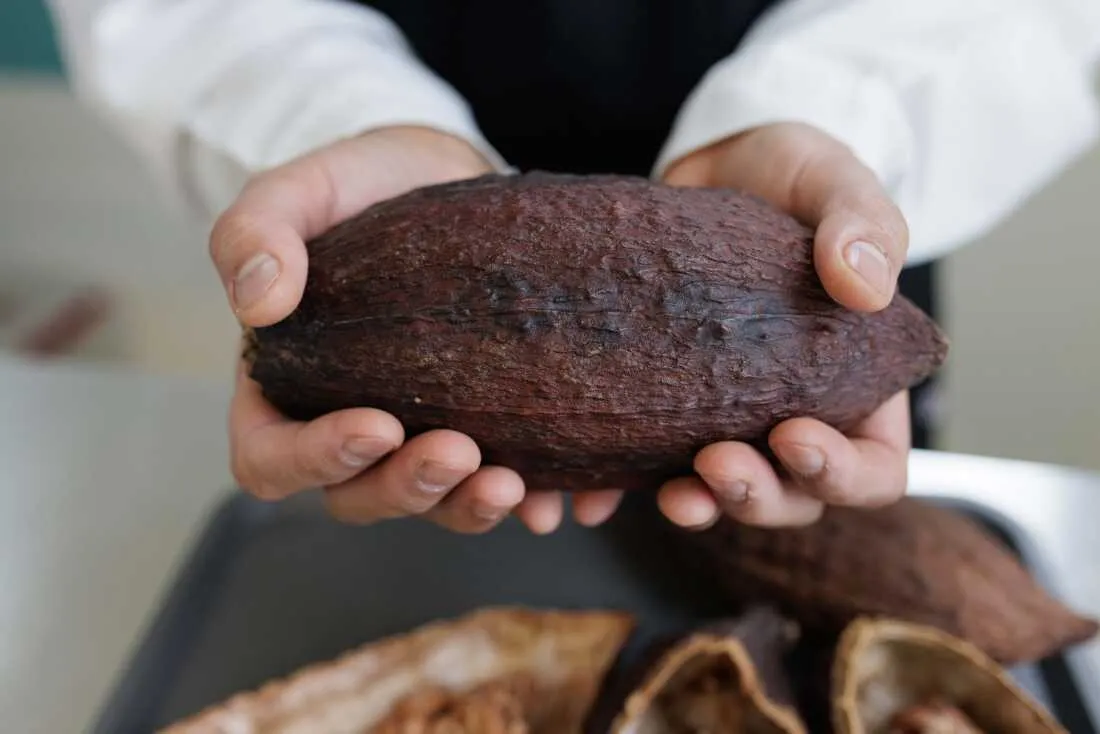
These standards help the cacao industry. Simonis explains that "harmonizing the way of talking about a food product" lets buyers and sellers discuss and appreciate differences. This could encourage consumers to pay more for high-quality chocolate.
This extra money can go back to farmers, making a big difference, especially for small-scale operations. "A lot of the cacao producers live under the poverty limits," Simonis says. Many face economic challenges because they live in remote areas. This is especially true in Ivory Coast and Ghana, which produce over half of the world's cacao.
The Chocolate Transformation Process
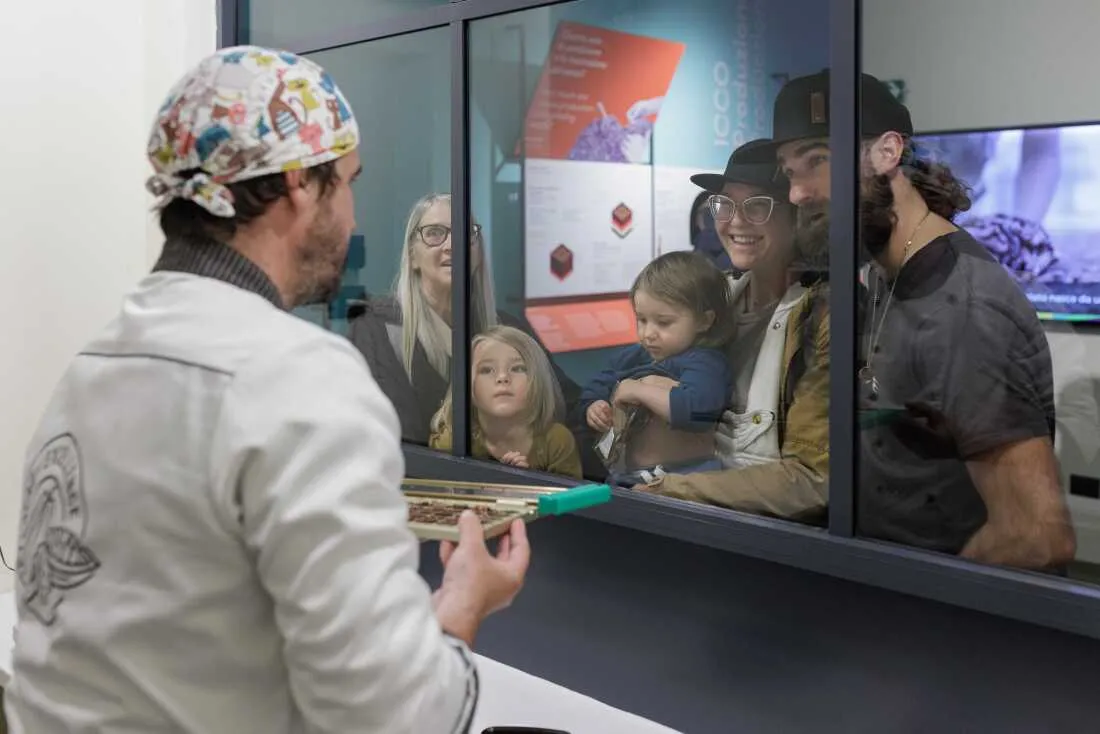
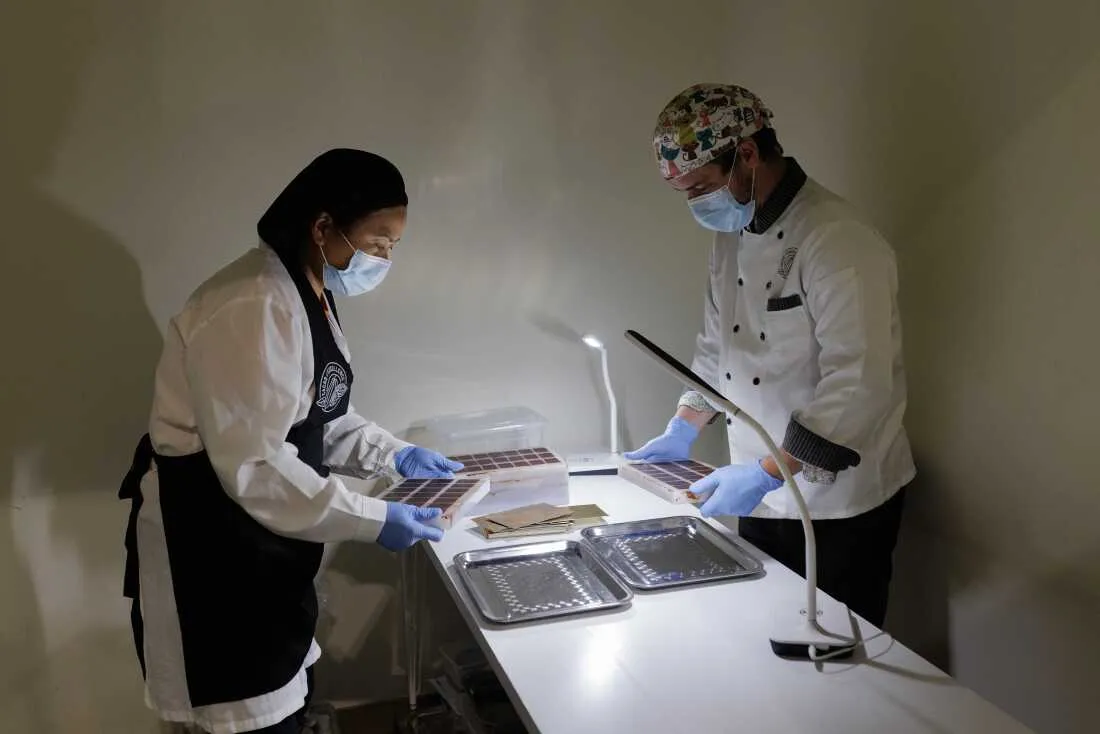
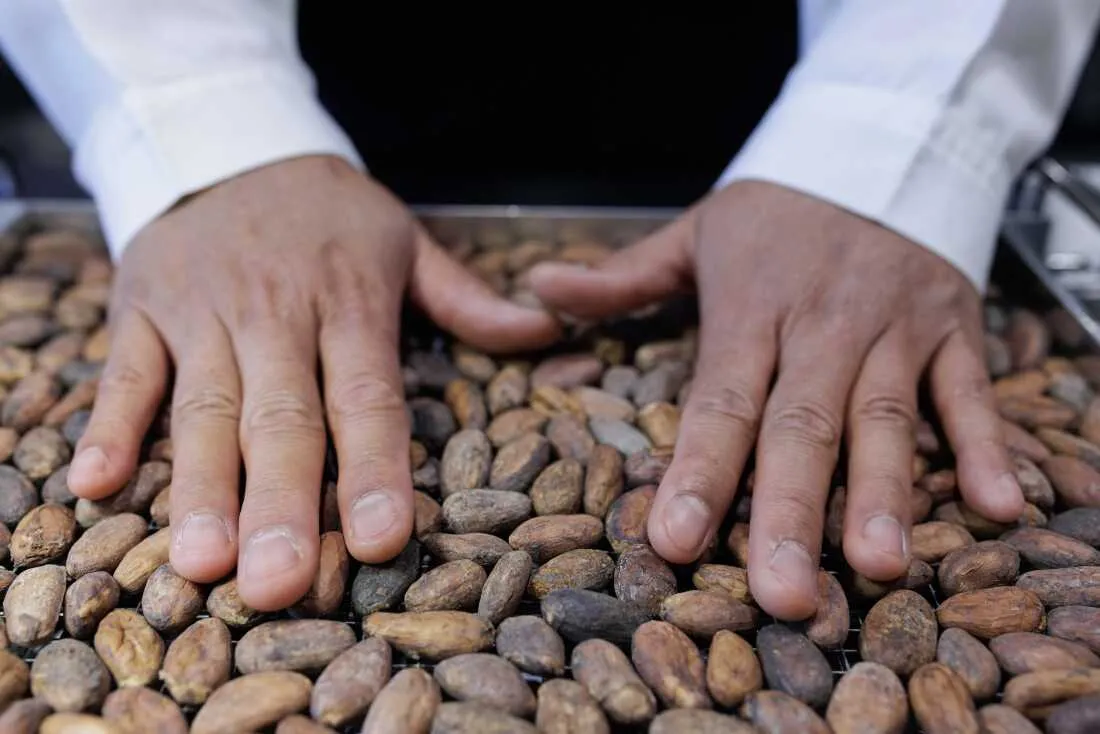
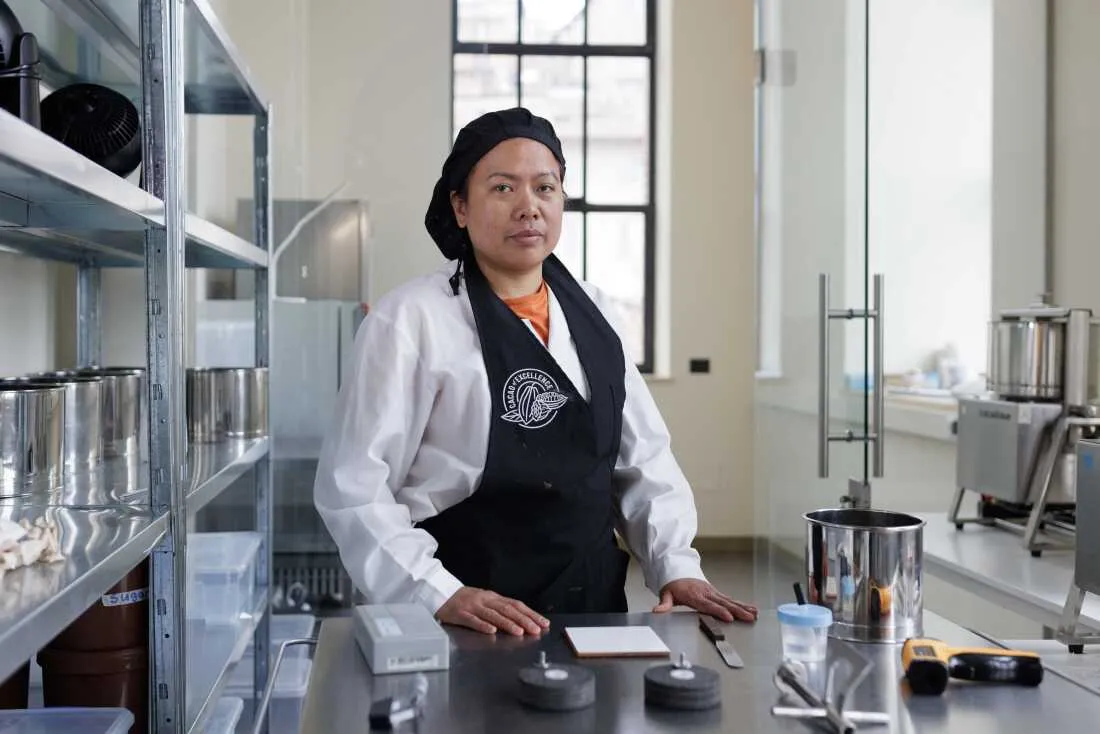
The standardized cacao processing happens at a lab inside the Chocolate Experience Museum in Perugia, Italy. Lab assistant Julia Butac starts by sifting burlap bags of beans, removing anything that isn't a full bean. "It's really physical work," she says.
Butac, from the Philippines, wasn't a big chocolate fan before. But this process has given her a deeper appreciation. "To see the development of the flavor like fruit, nuts, spice, it satisfies you," she explains. She calls the chocolate she works with "my baby," saying, "I need to care, I need to look after it."
Butac then uses a "guillotine" to slice 50 beans in half at once. A chocolatey smell, mixed with citrus, fills the air. She records her observations on a spreadsheet.
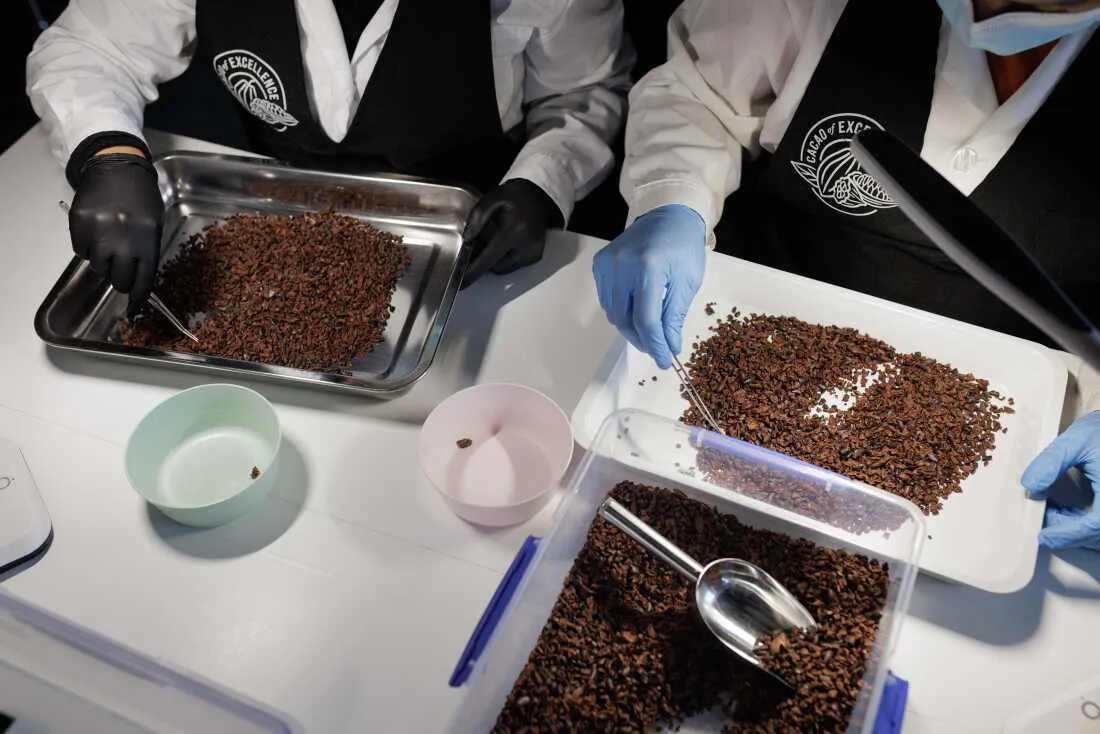
Next, Butac roasts the beans for a specific time. She separates the shells from the bean fragments, called nibs, then grinds the nibs in a mill. Each step helps the cacao develop its full flavor.
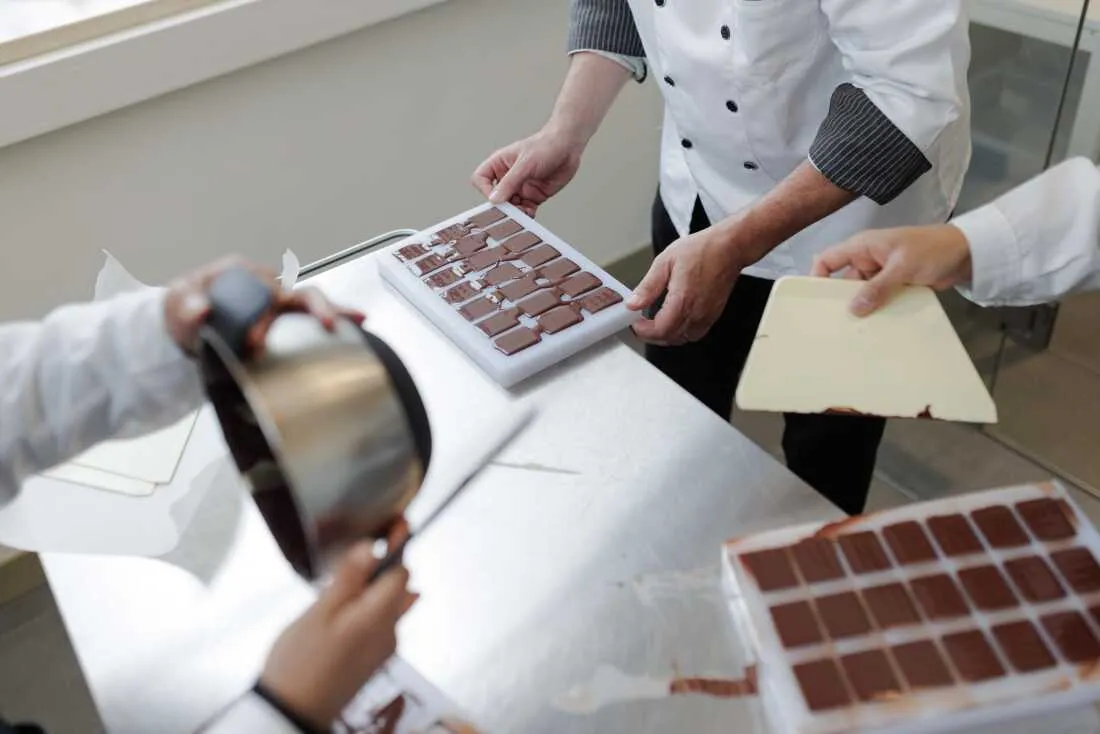
Butac then cools the milled cacao, adds precise amounts of sugar and cocoa butter, and tempers it. Finally, she pours the chocolate into small molds. She notes that each cacao, like people, is special. "I'm discovering that they have different qualities," she says. "We have different qualities also."
Empowering Cacao Producers
The Hawaiian and Peruvian chocolates Simonis tasted were processed identically in Perugia, yet they had distinct flavors. "Just realize that the difference in these chocolates [is] only coming from the cacao bean," he says. "Despite the recipe being exactly the same, flavors are completely different."
Simonis uses a panel of 15 trained tasters to evaluate chocolate's acidity, bitterness, astringency, and other qualities. This creates a standard way to compare chocolate, allowing it to be priced based on quality.
More people are joining the program. While training and certification cost money, resources like a step-by-step guide to cacao processing and the flavor wheel used by official tasters are free. "We are trying to work with every single producing country in the world," Simonis adds.
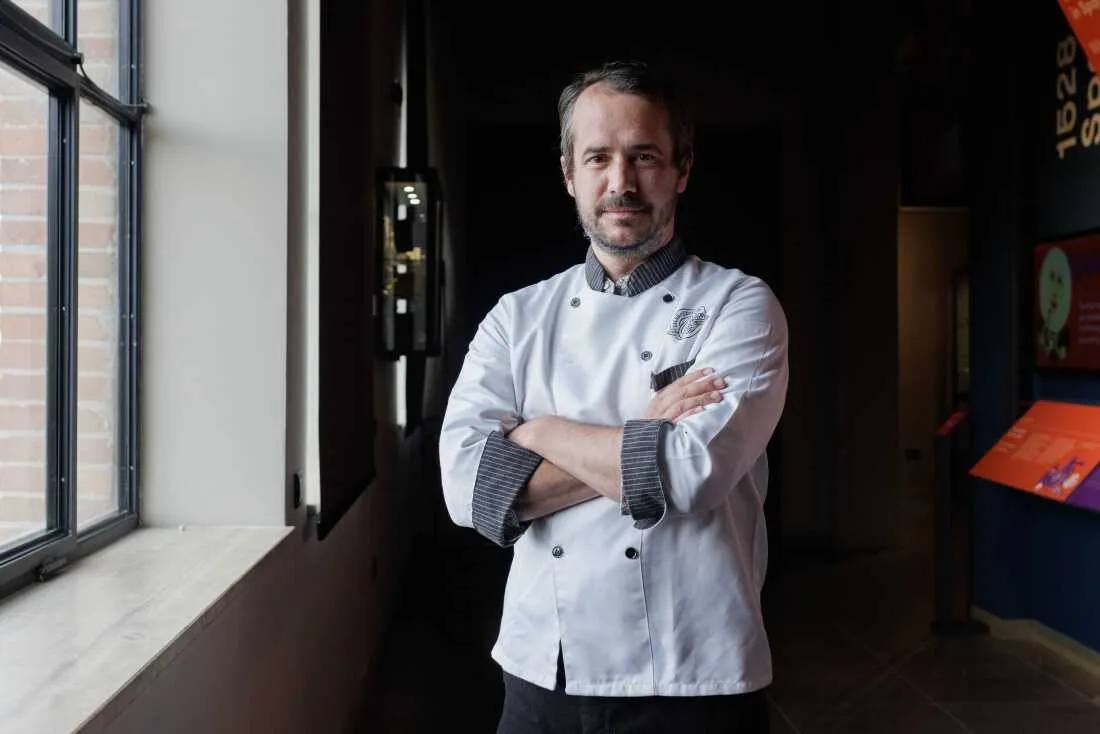
Roong Kumpan, who founded TinTin Chocolate in Thailand, joined the program. It helped his small family farm gain international recognition and an award. The team in Italy also taught Kumpan how to improve his product by enhancing fermentation and drying.
"Cacao of Excellence gives small producers a chance to be seen and recognized internationally," he says. "I believe it will help increase my income in the future."
Some cacao producers have already seen increased revenue. For example, the Juan Laura farm in Peru's forests reported a 30% increase in sales. Rosaura Laura, who runs the farm, says the extra income is about more than just money.
"I think this is a good way to dignify the laborers and change the mind of people regarding the farmers," she says, noting that farmers are often looked down upon in her country. Laura believes this effort helps cacao producers, buyers, and consumers speak a common language to describe the magic of cacao beans and chocolate.