Your cells contain two meters of DNA somehow folded into a nucleus the width of a human hair. For decades, scientists treated this architecture like a filing cabinet—organized, static, done. But new research from the Salk Institute reveals something stranger: your genome is constantly unfolding and refolding itself, and the rhythm of that movement directly shapes which genes turn on, which stay silent, and ultimately who you are.
The findings, published in Nature Genetics, suggest that understanding these folding patterns could unlock new approaches to treating cancer and developmental disorders including autism-related conditions. More immediately, they reveal how cells "remember" what they're supposed to be.
How the genome stays organized
Your DNA folds through the work of protein complexes called cohesin and NIPBL, which create loops that bring distant regions of the genetic code into contact. Think of it like pinching a rope at two points to bring them together—except the rope is constantly being pinched and released, thousands of times per day.
We're a new kind of news feed.
Regular news is designed to drain you. We're a non-profit built to restore you. Every story we publish is scored for impact, progress, and hope.
Start Your News DetoxJesse Dixon, senior author of the study and associate professor at Salk Institute, explains: "This folding doesn't just happen once and then the genome stays put. It seems to be constantly unfolding and refolding."
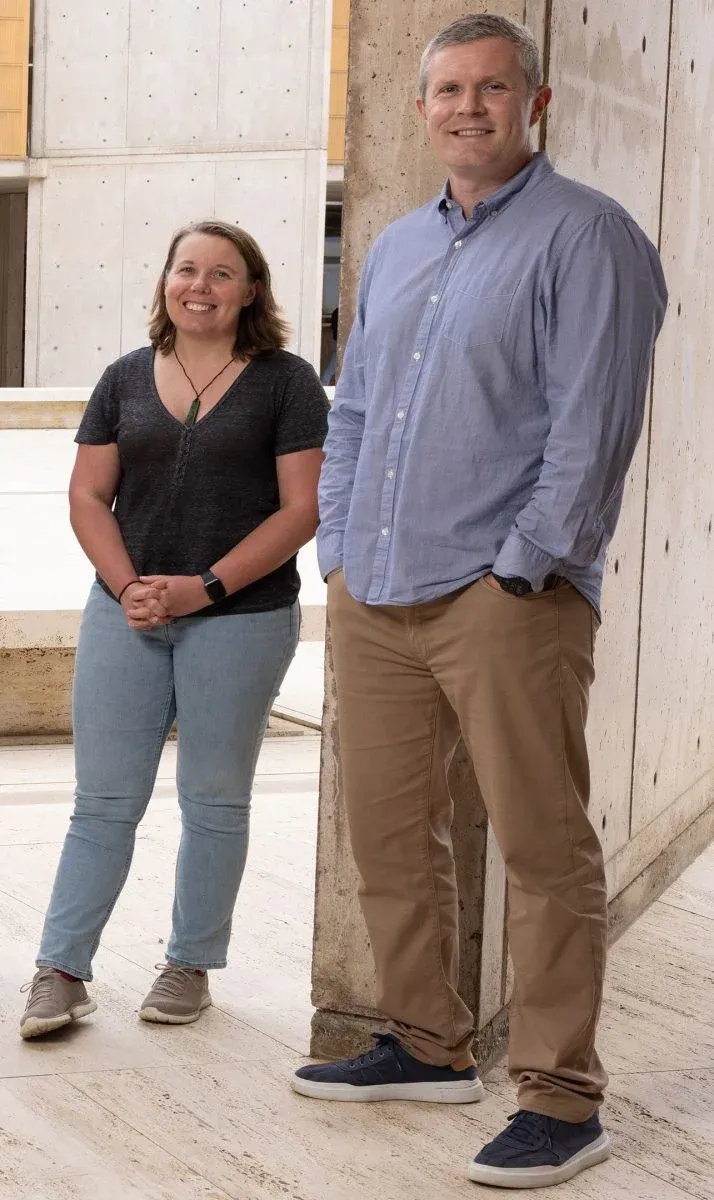
Dixon's team discovered something unexpected when they reduced NIPBL levels in human cells. The genome didn't unfold evenly. Silent regions—where genes weren't active—held their loops stable for hours. Active regions, where genes were directing cellular functions, reformed their loops in minutes. The pace of folding matched what the genes were actually doing.
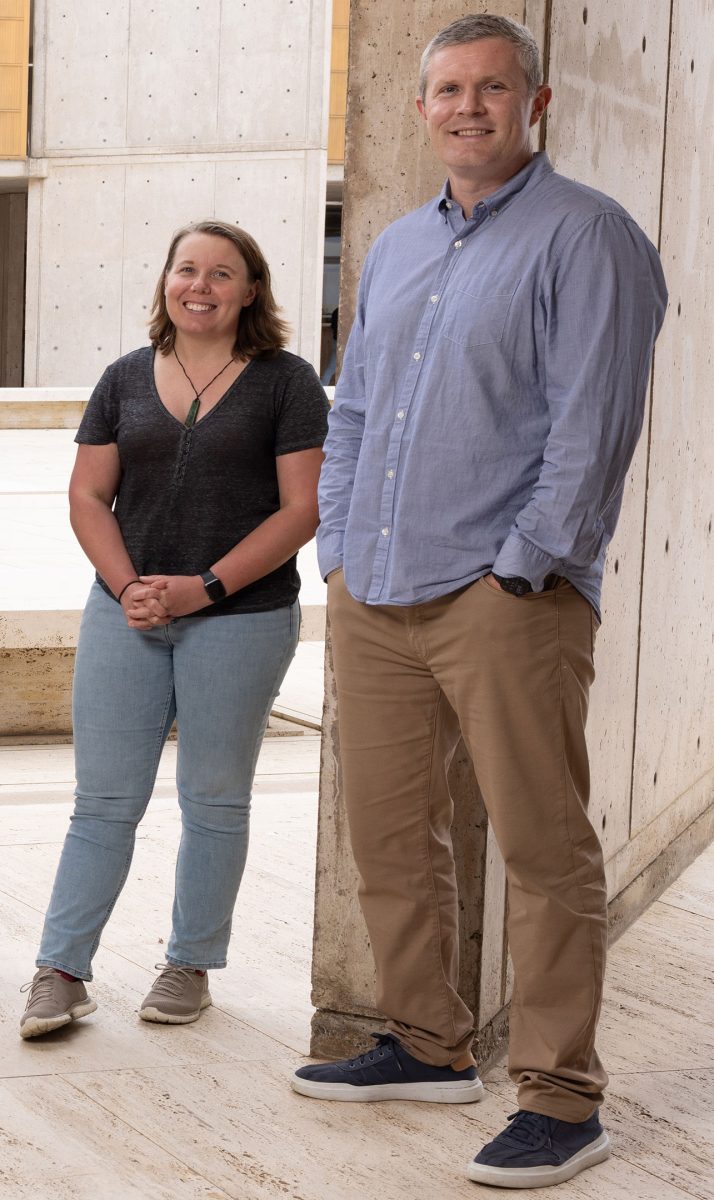
Tessa Popay, first author of the study, realized what this meant: "The continuous folding and unfolding of our genome may be particularly important for helping a cell 'remember' who it is supposed to be."
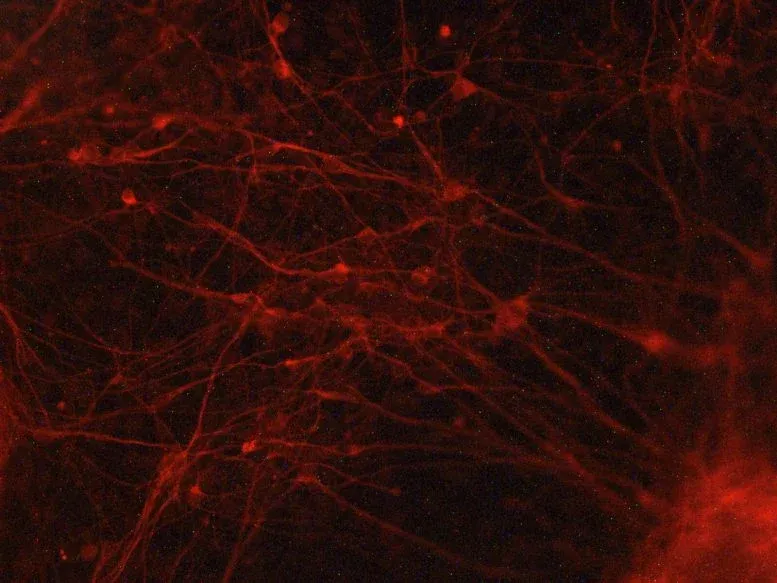
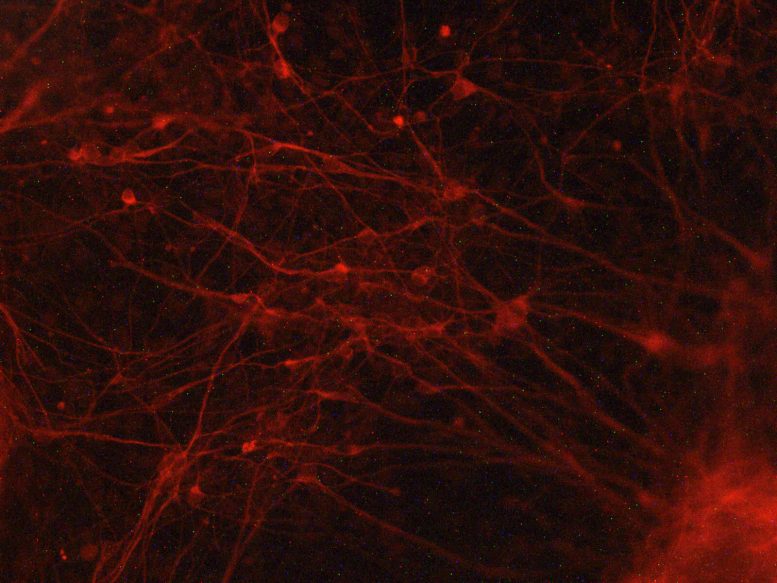
When the team studied heart cells and neurons grown from human stem cells, they found that dynamic folding was especially active at genes tied to heart function in cardiac cells and neuronal function in neurons. The genome wasn't just organizing information—it was reinforcing identity through repetition, like muscle memory at the molecular level.
Why this matters for disease
Mutations in the proteins that control genome folding cause Cornelia de Lange syndrome, a developmental disorder affecting multiple body systems. The same machinery appears to go wrong in cancer, where cells manipulate their genome dynamics to change identity and grow without control.
Dixon notes: "When we see mutations in these folding machines, we get syndromic conditions that impact different parts of the body in different ways. And cancer is potentially exploiting that same principle—changing where in the genome these dynamics are more important to manipulate cell identity and encourage uncontrolled growth."
By confirming that the genome's shifting 3D structure plays a meaningful role in gene regulation, researchers can now link structural changes directly to disease. This opens a path toward therapies aimed at correcting harmful folding patterns—not by rewriting the genetic code, but by restoring the rhythm of how it folds.