Imagine spending two weeks exploring a part of the planet that makes the surface of Mars look well-documented. Now imagine coming back with 31 brand-new species, some of which look like they auditioned for a sci-fi movie. That's what an international team of researchers just pulled off off the coast of Brazil.
Turns out, the deep midwater – that sweet spot between 600 and 3,300 feet down – is less understood than your uncle's conspiracy theories. It's also the largest habitat on Earth, brimming with life that's adapted to pressures that would turn you into a pancake. Chief scientist Karen Osborn calls it a place "filled with incredible animals we are only just starting to understand." Which, if you think about it, is both impressive and slightly terrifying.
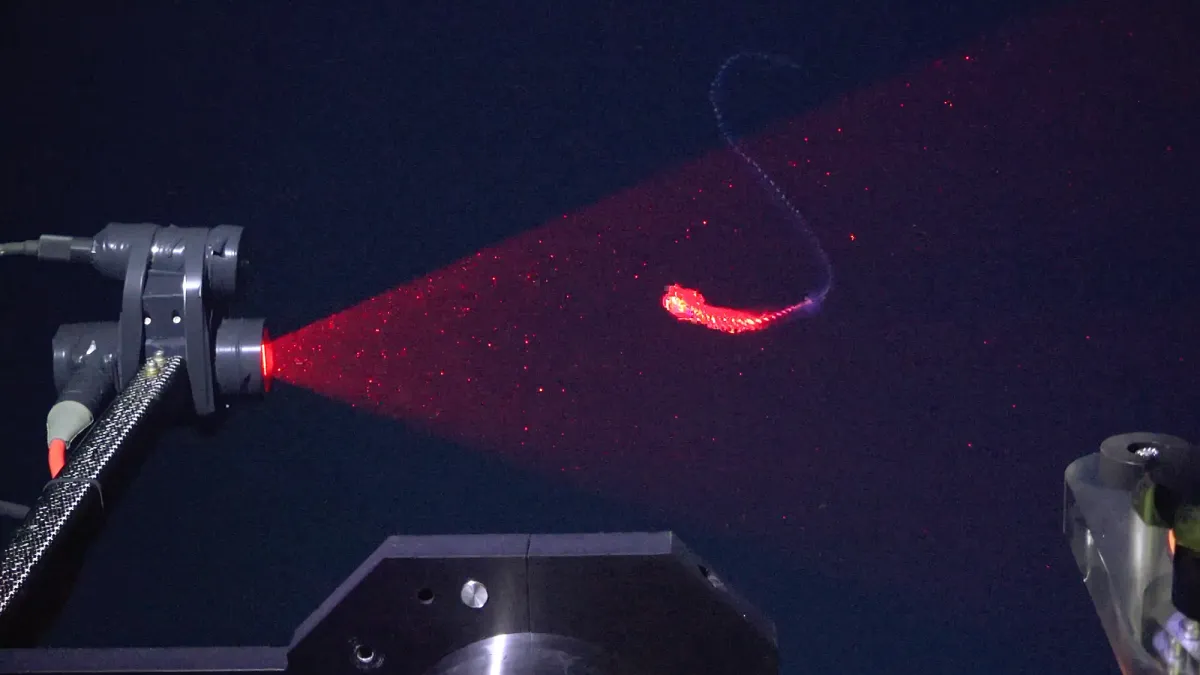
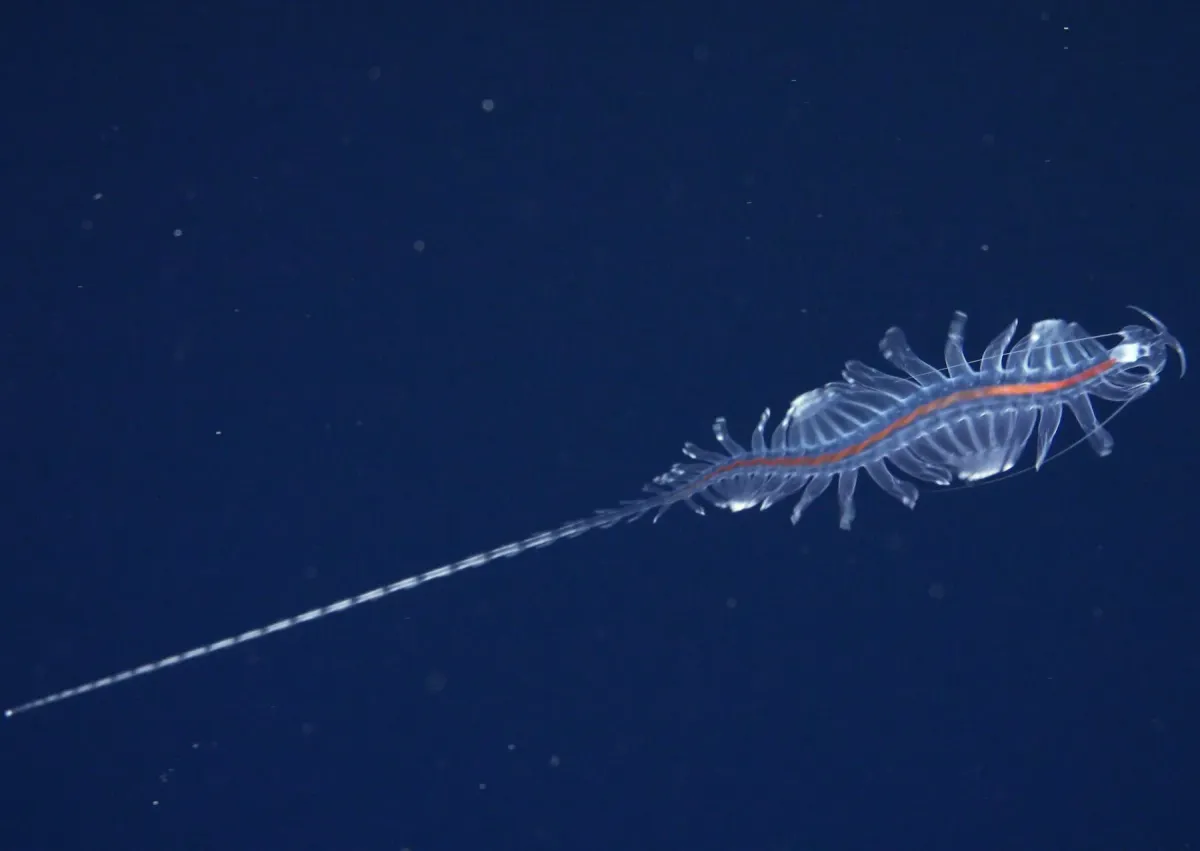
Among the newly discovered: a gossamer worm from the Tomopteris genus, which apparently spends its entire life just… floating, from the surface down to 13,000 feet. Scientists know next to nothing about these guys, except that they glow a bright, unusual yellow. Because why not?
We're a new kind of news feed.
Regular news is designed to drain you. We're a non-profit built to restore you. Every story we publish is scored for impact, progress, and hope.
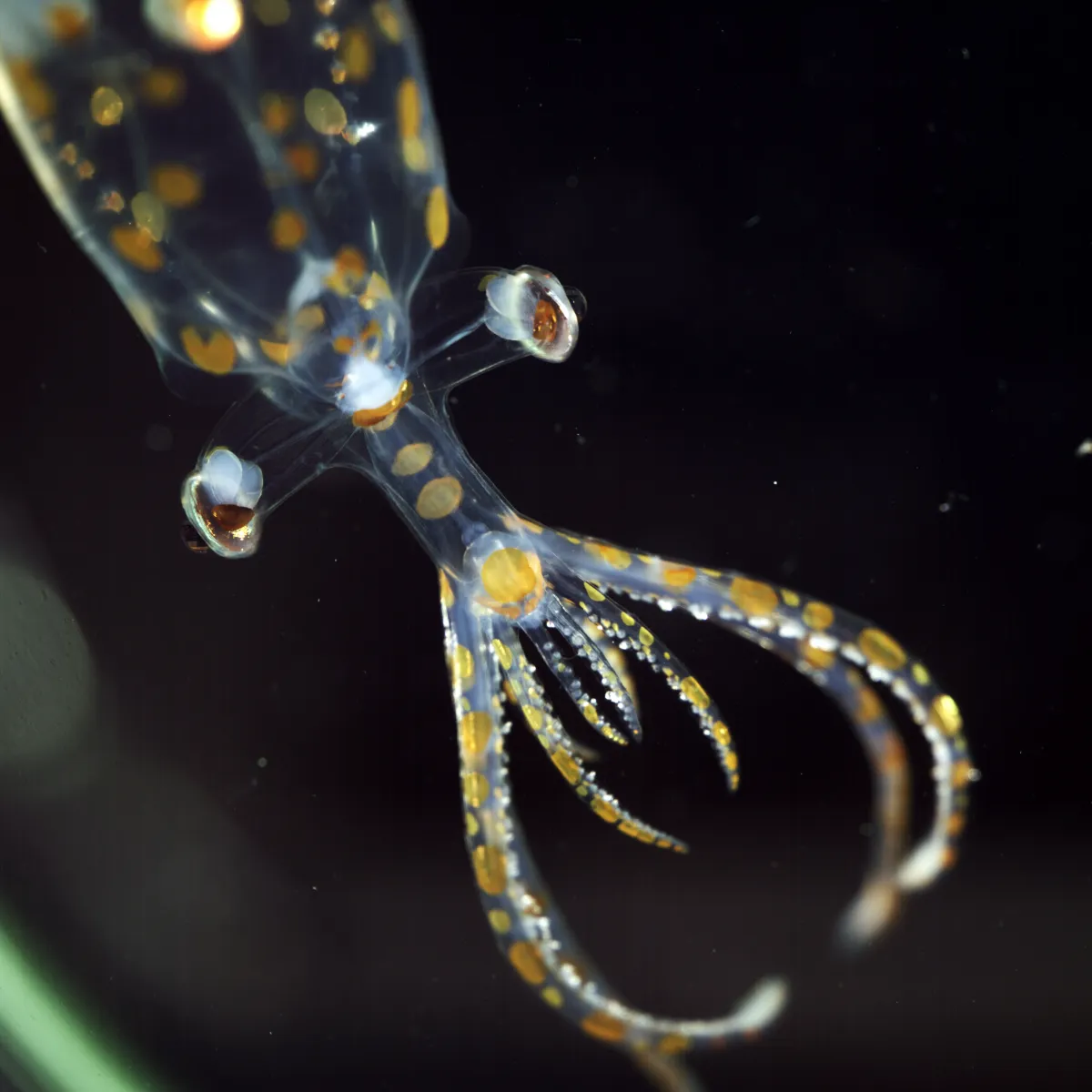
Start Your News DetoxThen there's the juvenile glass squid, spotted at 779 meters deep. It got the full paparazzi treatment with a special camera system that snaps it from three angles at once. This helps scientists document every tiny detail without, you know, squishing it. Because apparently that's where we are now: high-tech glamour shots for deep-sea cephalopods.
Future of the Deep Dive
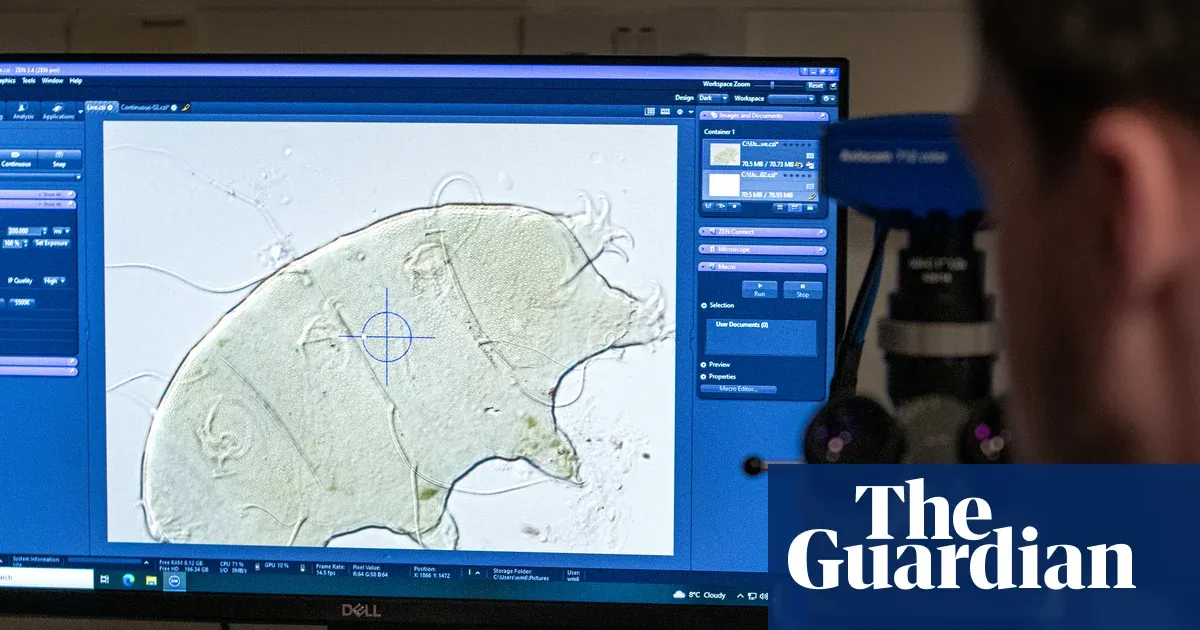
This whole expedition was powered by the Schmidt Ocean Institute's research vessel, R/V Falkor (too), which sounds like something out of a fantasy novel. It brought along an underwater robot named SuBastian, a virtual reality chamber, and a spinning wheel confocal microscope affectionately dubbed "the Squid." This allows researchers to peer into the live cellular structures of these organisms for the first time. Manu Prakash, a bioengineer from Stanford, says this "opens a new door for researching deep-sea physiology." Basically, they can now watch internal processes unfold in creatures built for extreme pressure and eternal darkness.
They even caught a female octopus (Haliphron atlanticus) at 800 meters deep, casually munching on a jellyfish. This isn't your average aquarium octopus; these giants can hit 13 feet and weigh 165 pounds. Imagine that showing up for dinner.
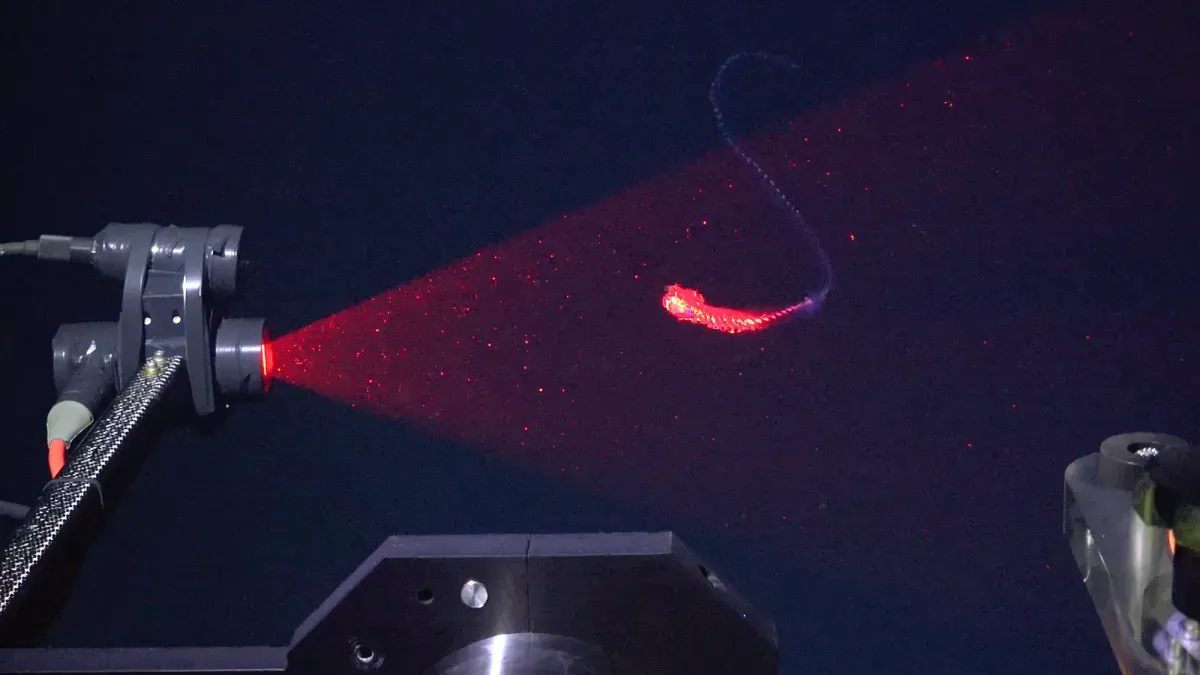
And just when you thought it couldn't get weirder, they found a lobed comb jelly that uses two massive, muscular oral lobes to trap its prey. Because subtlety is overrated when you're 500 meters down. They also filmed a siphonophore – a creature that might be an entirely new genus, possibly even a new family – at 552 meters. The imaging systems created millimeter-scale, 3D renderings of it in its natural habitat, which is a bit like getting a perfect CGI model of a creature that actually exists.
Jyotika Virmani, executive director of the Schmidt Ocean Institute, sees these new technologies as a peek into the future of marine biology. Soon, scientists might be studying marine life in virtual reality. Which means, one day, you might just be able to take a VR tour of the ocean's twilight zone from your couch. Just try not to think about what else is down there, still waiting to be discovered.