Scientists have found the first-ever molecules inside a 113-million-year-old pterosaur fossil. This discovery offers new clues about the ancient flying reptile's diet and how some fossils are preserved.
The fossil, a wing bone from a pterosaur found in Brazil, was remarkably well-preserved in three dimensions. Researchers believe ancient microbes played a key role in keeping it intact for so long.
Molecules Reveal Ancient Diet
Kliti Grice, a professor at Curtin University, led the international study. She explained that the fossil is like a "time capsule." For the first time, scientists detected traces of steroids in a pterosaur. This suggests the creature likely ate fish or squid.
We're a new kind of news feed.
Regular news is designed to drain you. We're a non-profit built to restore you. Every story we publish is scored for impact, progress, and hope.
Start Your News DetoxThis finding is a major step for molecular paleontology. It shows how studying molecules can unlock secrets from the distant past.
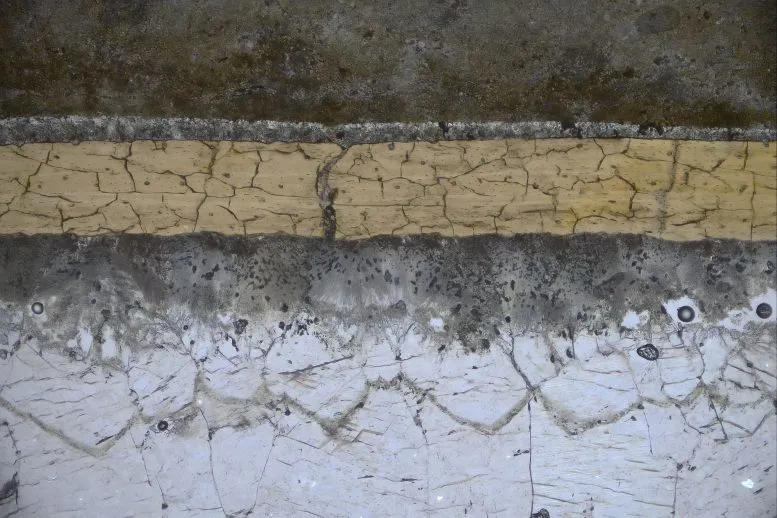
Preserving steroids in fossils is very rare. The discovery also changes ideas about how fossils are preserved. Instead of oxygen destroying fossils, it seems that some are preserved because of oxygen. This happens through processes carried out by ancient microbiomes, which are communities of microbes.
Professor Grice explained that after the pterosaur died and sank, a mix of chemistry, biology, and the environment helped preserve it. Microbes, including sulfur-oxidizing bacteria, broke down soft tissues and fats. This triggered mineralization around the body, which helped preserve its structure in great detail for over 100 million years.
Microbes Shaped Fossil Survival
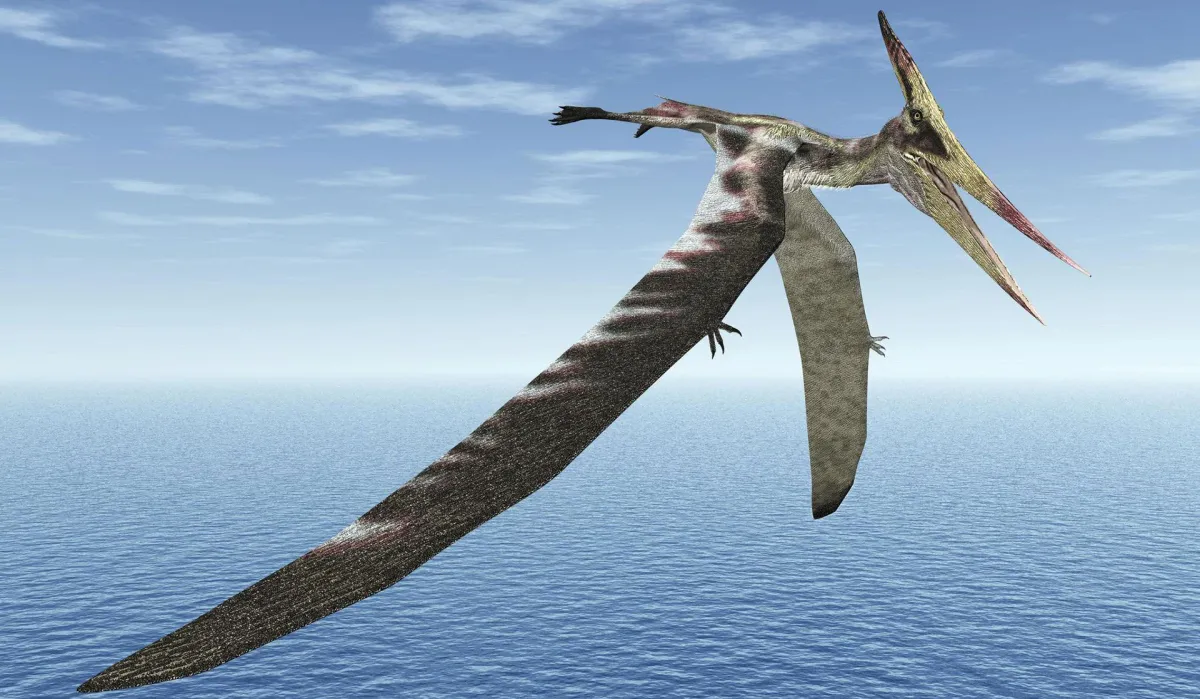
Pterosaurs were flying reptiles that lived alongside dinosaurs. They were the first vertebrates to achieve powered flight. Some species had wingspans up to 12 meters. Like modern birds, they had hollow bones. This feature can help with exceptional preservation under the right conditions.
This research suggests a new way that unusual fossils can be preserved. It also provides fresh insights into ancient life and the conditions that protect fragile remains for vast periods.
The study adds to growing evidence that tiny microbes were crucial for fossil survival. This process is now being found at other fossil sites. Professor Grice believes this might represent a new global "Lagerstätten mechanism." This term refers to special conditions that allow for exceptional fossil preservation.
Deep Dive & References
Multi-staged mineralization and biomarker preservation in a 113-million-year-old pterosaur bone via redox shifts in diagenesis - iScience, 2026