For decades, scientists have been scratching their heads, wondering how bacteria manage to whip up multiple versions of powerful anti-cancer drugs. It was like watching a master chef create a whole menu of gourmet meals with the same basic kitchen tools, and no one could figure out the secret sauce.
Turns out, the answer was in the subtle molecular handshakes. Researchers from the University of Warwick and Monash University just cracked this code, and it’s a blueprint for designing new treatments for some of the toughest cancers out there. Basically, they figured out nature’s super-efficient drug factory.
The Secret to Nature's Drug Menu
Imagine a tiny, microscopic assembly line. For years, scientists wanted to hijack this bacterial process, called combinatorial biosynthesis, to craft new medicines. But they couldn't get the parts to talk to each other. It was like having all the ingredients but no recipe.
We're a new kind of news feed.
Regular news is designed to drain you. We're a non-profit built to restore you. Every story we publish is scored for impact, progress, and hope.
Start Your News DetoxNow, a new study in Nature Communications reveals how these bacterial enzymes don't just work together; they communicate. They cooperate to build an entire family of anti-cancer molecules, including Romidepsin (Istodax), which is already out there treating certain blood cancers. Dr. Munro Passmore, a research fellow at Warwick, put it perfectly: they’ve "cracked the code" of an "elegantly economical" system. Which, if you think about it, is both impressive and slightly terrifying.
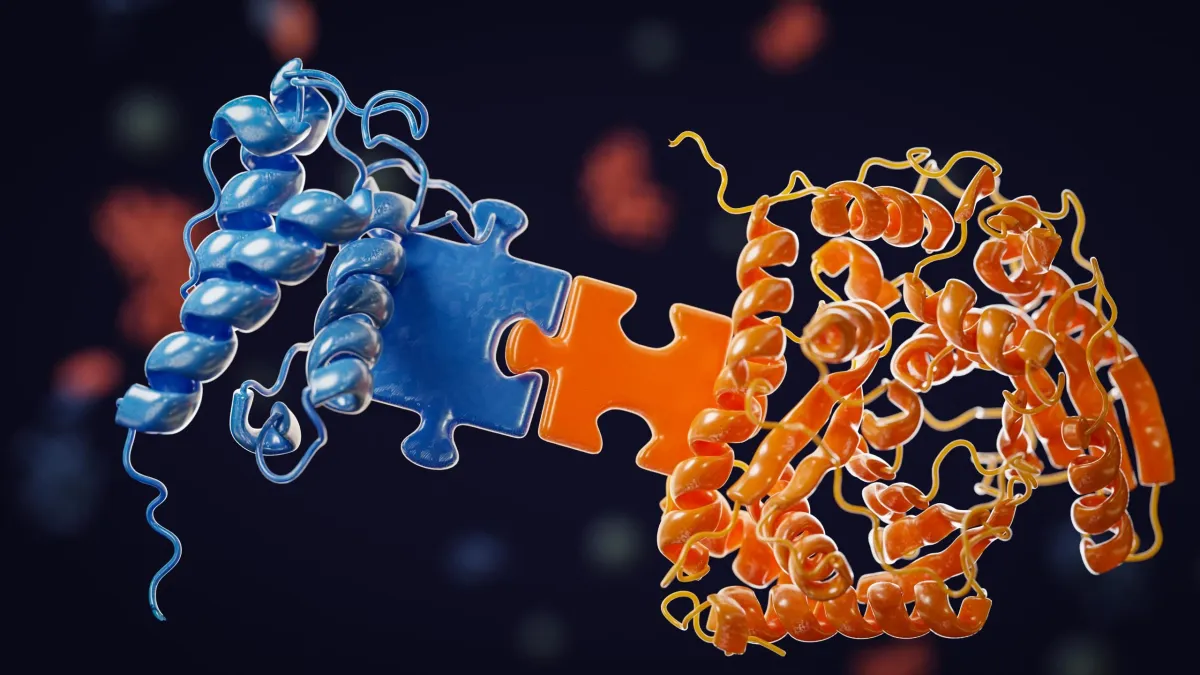
The key to this molecular magic? Tiny protein bits called 'docking domains.' These aren't just connectors; they're like universal adapters, linking the main drug-making machinery with different enzymes that add unique chemical flourishes. This flexibility allows bacteria to create a whole range of related drugs, all while keeping them precise and effective. It's the ultimate "mix and match" system, but for life-saving medicine.
Professor Greg Challis, from both universities, says this discovery gives them a "blueprint" to design synthetic pathways. The goal? New anti-cancer drugs that are stronger, have fewer side effects, and are laser-focused on their targets. Think of it as upgrading from a blunt instrument to a precision scalpel, all thanks to a bacteria's internal communication system.
Solving a Decades-Old Mystery
This research zeroes in on HDAC inhibitors, a class of drugs that essentially tell cancer cells to chill out by blocking enzymes that control gene activity. Romidepsin is a star player here, approved for T-cell lymphomas. But there was a related compound, FR-901375, that had been baffling scientists for decades. How did bacteria make it? It was the missing link in the evolutionary chain of these tiny drug factories.
This study finally found that missing pathway. It turns out, FR-901375 is a ring-shaped molecule, built by large protein complexes that combine different enzymatic activities. And those newly discovered docking domains? They're the critical connectors on this biological assembly line, passing along partially built products from one station to the next. It’s a marvel of tiny, efficient engineering.
Using everything from structural biology to computer modeling and even messing with bacterial genes, the team pieced together this intricate puzzle. They basically spied on bacteria, figured out their construction secrets, and now they're ready to apply that knowledge to engineer the next generation of cancer drugs. Because apparently, that's where we are now: learning how to fight cancer from the smallest organisms on Earth.