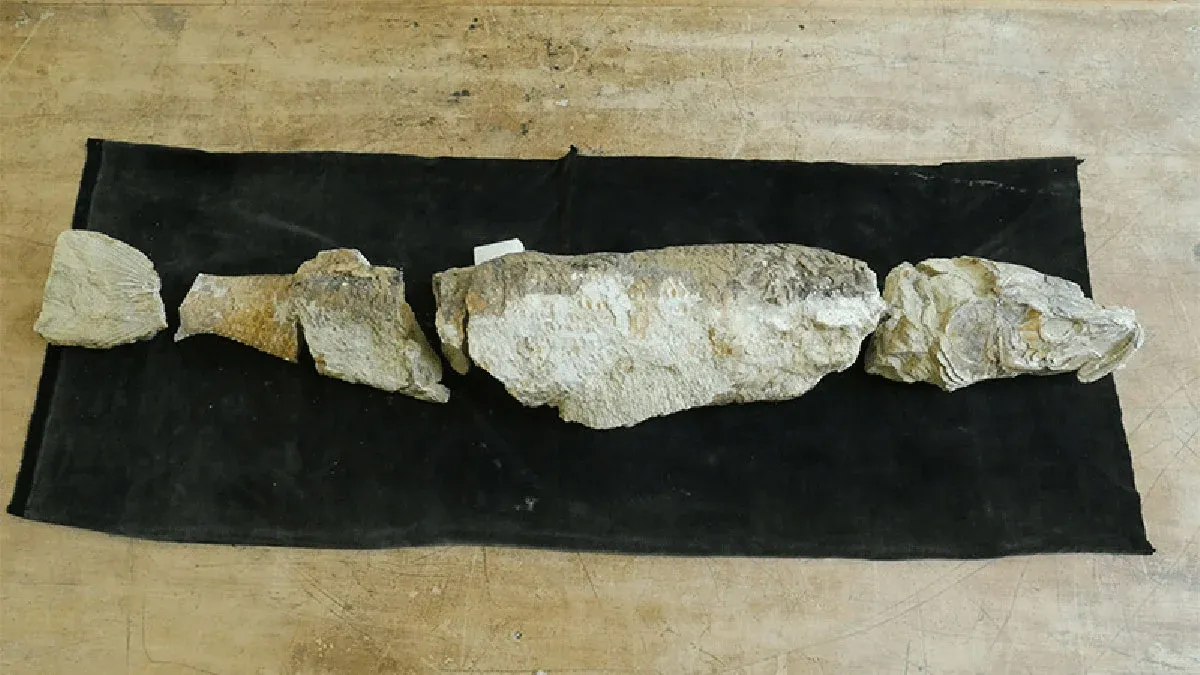
Archaeologists found a piece of Homer's Iliad inside a 1,600-year-old Egyptian mummy. This wasn't a special burial item. Instead, it was used as simple stuffing in the mummy's abdomen.
This discovery shows how widely Homer's epic poem was known in Roman Egypt. It highlights how ancient stories were reused and reinterpreted over time.
Homer's Iliad in the Roman World
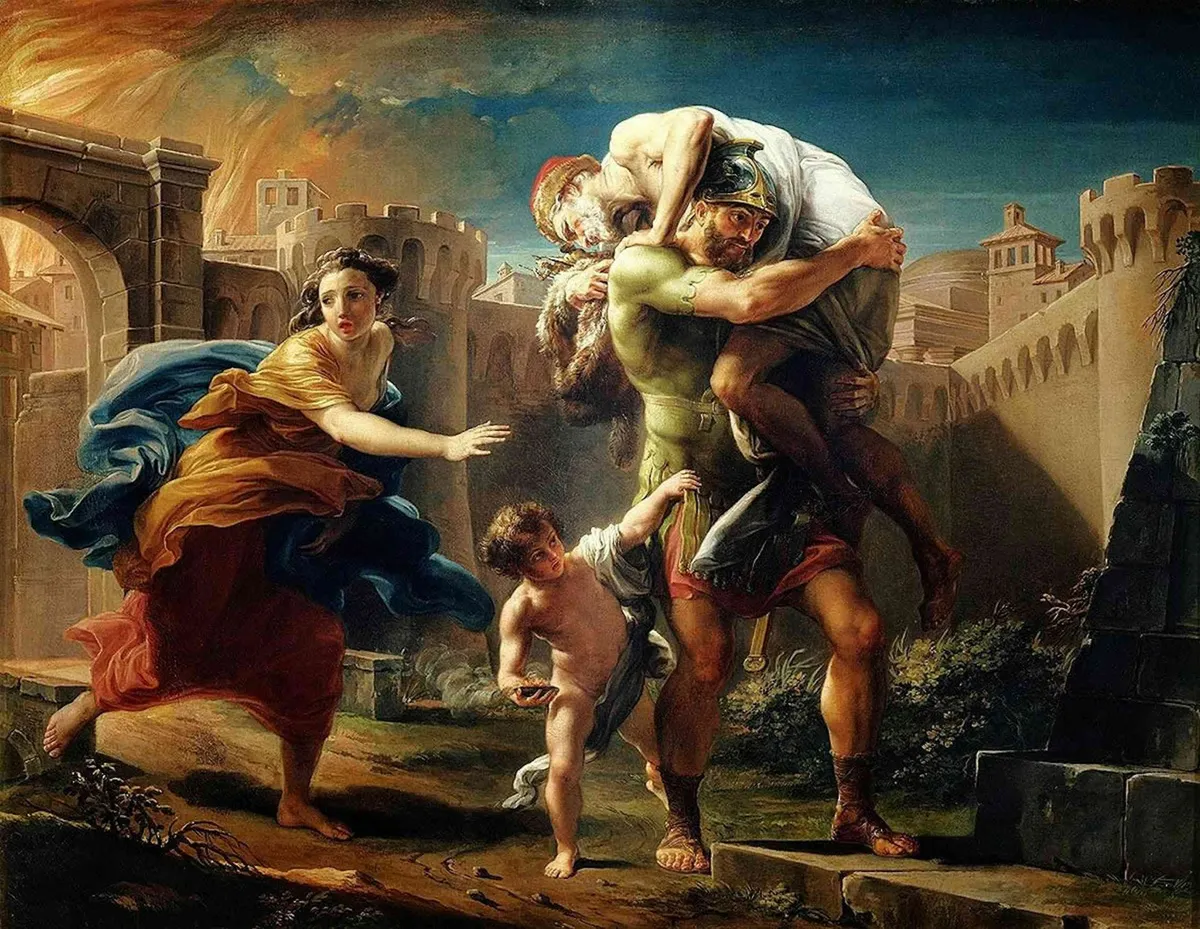
The Iliad, written around the 8th century BC, tells the story of the Trojan War. It ends with Troy's destruction. However, Roman tradition added to this story. They said that Aeneas, son of the goddess Aphrodite, escaped Troy. He traveled west to Italy and became an ancestor of Rome.
We're a new kind of news feed.
Regular news is designed to drain you. We're a non-profit built to restore you. Every story we publish is scored for impact, progress, and hope.
Start Your News DetoxThis new part of the story came from later works, like Virgil's Aeneid. It completely changed the meaning of the Trojan War for Romans. The past was reshaped through stories that could be updated and connected across different times and places.
For Romans, the Trojan War wasn't just an old Greek myth. It helped them think about their origins, identity, and power. Claiming descent from Troy required constant cultural effort through storytelling and education. The Iliad gave them the basic characters and events to work with.
Educated Romans learned Homer in school. They quoted him and used his works to show their cultural knowledge. A senator in Rome, a teacher in Asia Minor, or a student in Egypt could all understand these stories. The poem created a shared understanding of a common past across the empire.
Troy as a Roman Destination
During the Roman Empire, the ancient city of Troy in modern-day Turkey became a popular place to visit. Emperors like Augustus and Hadrian invested in its development. They linked Troy directly to Rome's claimed Trojan origins.
Visitors in the 2nd century AD would see a carefully designed landscape. There were baths, places to stay, and performance areas. A small theater, called the Odeion, was built into the ancient citadel. This made the Bronze Age city ruins, believed to be the setting of the Trojan War, a dramatic backdrop.
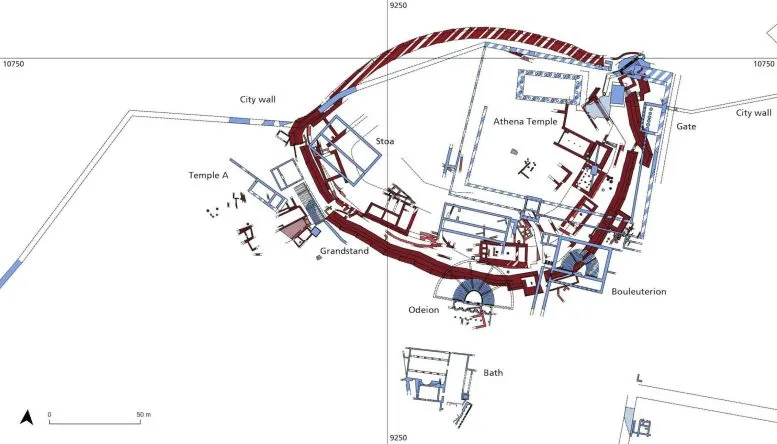
People could walk through what was presented as the setting of Homer's epic. They experienced the Trojan War as something real and connected to the land.
Homer's Reach in Roman Egypt
The Iliad was widely read and copied across the Roman Empire, including Egypt. Egypt was a mix of Egyptian, Greek, and Roman traditions. Homer was a sign of education and cultural belonging there.
The Homeric version of the Trojan War was especially popular among the Greek-speaking elite in cities like Oxyrhynchus, where the mummy was found. Other versions of the story, which focused more on Paris and Helen's stay in Egypt, were likely more common among the general Egyptian population.
The Iliad fragment found in the mummy was probably not placed there for special meaning. It was likely just discarded papyrus used as cheap stuffing. This shows how common Homer's works were in Roman Egypt. Even scraps of the Iliad were part of everyday life.
The past in the Roman world was not just preserved. It was constantly made and remade through stories, practices, and materials. The Iliad helped connect different pasts, making them understandable and flexible. It created identity, authority, and belonging in changing times.
Deep Dive & References: First-of-its-kind discovery: Homer’s Iliad found embedded in a 1,600-year-old Egyptian mummy - SciTechDaily Virgil’s Aeneid Guide to the Classics: Virgil’s Aeneid - The Conversation The Roman reconfiguration of the site’s urban and cultural landscape Emperor Hadrian and the culture of travel, memory, and heritage The Odeion of Troy as a dramatic backdrop Roman observers on Egypt Herodotus on Paris and Helen’s stay in Egypt