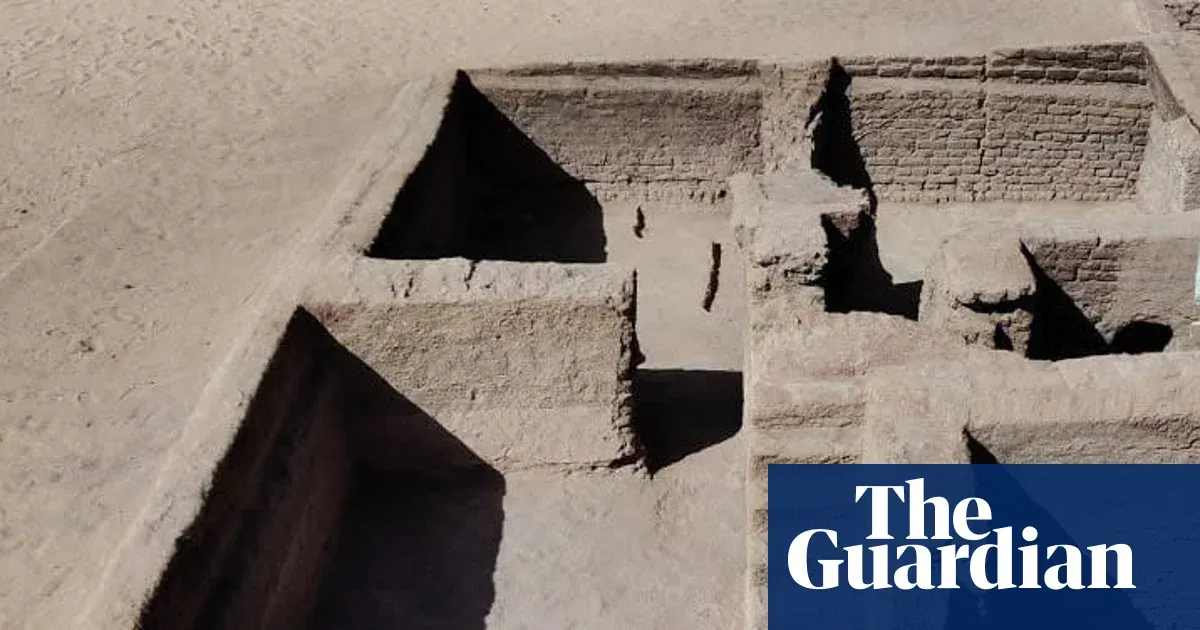
Archaeologists in Egypt have found a well-preserved Byzantine-era city in the western desert. This fourth-century city includes homes, religious buildings, and a basilica-style church. It is located in the Dakhla oasis.
Researchers also found coins, pottery, and tools. This discovery helps us understand daily life, city planning, and trade when Egypt was part of the Byzantine empire.
Discovering the Byzantine City
The newly found city has main roads running north-south, crossed by east-west streets. These roads create open squares and public areas.
We're a new kind of news feed.
Regular news is designed to drain you. We're a non-profit built to restore you. Every story we publish is scored for impact, progress, and hope.
Start Your News DetoxA basilica from the mid-fourth century stands at the city's entrance, looking over its main streets. There are also remains of two watchtowers that protected the city's edges.
The Dakhla oasis is in Egypt’s New Valley province. It is currently being considered for Unesco's world heritage list.
Archaeologists found a strong structure with thick defensive walls. Many houses had reception halls and vaulted roofs. One house belonged to Tisous, a church deacon, and dates to the late 14th century. Experts believe it was used as a house church before the city's basilica was built.
They also uncovered bread ovens, kitchens, grinding tools, and bronze coins. These coins show Byzantine emperors, Latin writing, and Christian symbols. Some gold coins found are from the time of Roman emperor Constantius II, who ruled from 337 to 361.
About 200 pottery fragments, called ostraca, were also discovered. These fragments were used for writing. They contain details about business deals, letters, and other aspects of daily life.
Tombs at Marina el-Alamein
Separately, 18 ancient tombs were found at Marina el-Alamein, near Alexandria. This site is about 62 miles (100km) west of Alexandria.
The findings include 11 rock-cut tombs, each about eight meters deep. Seven surface tombs made of limestone were also found. This brings the total number of tombs at the site to 48.
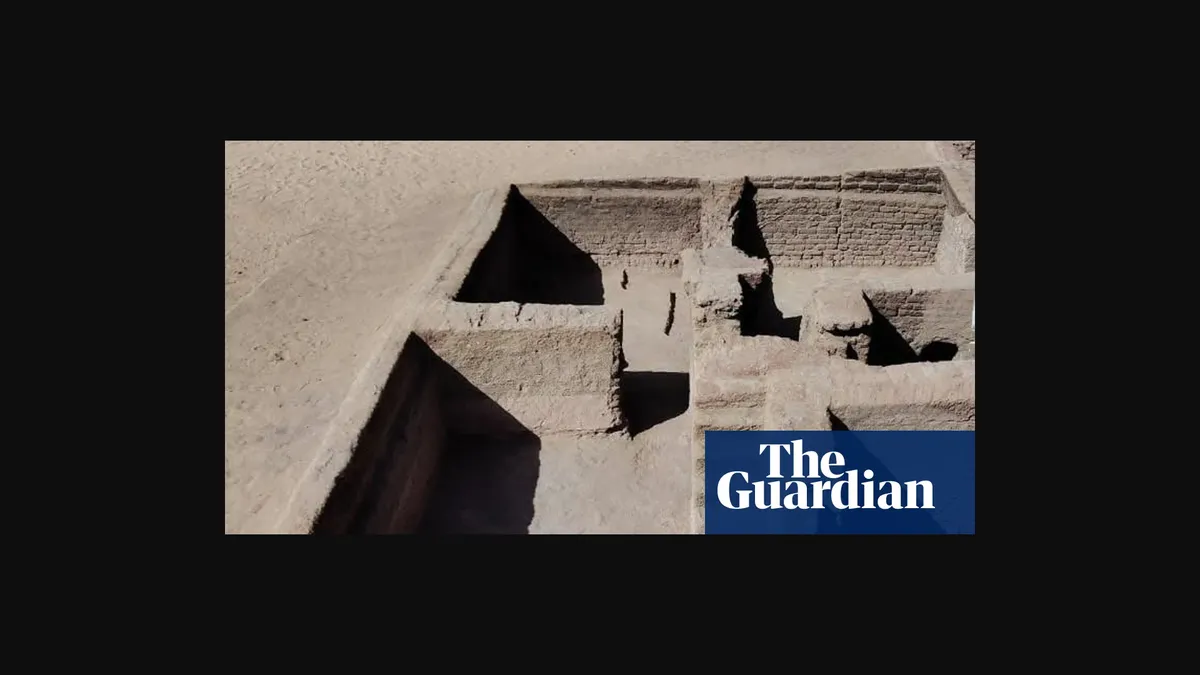
Inside the tombs, archaeologists found pottery vessels, amphorae, lamps, plates, altars, and limestone basins.
A 2.5-meter-long granite sarcophagus was also discovered, containing skeleton remains that are now being studied. Near the sarcophagus, parts of a plaster sphinx statue were found.
Four gold pieces, known as "the golden tongue," were placed inside the mouths of some of the deceased. This was a common funerary practice during that era.
Marina el-Alamein was first uncovered in 1986. Archaeologists believe it was the ancient Greco-Roman port city of Leukaspis. This city was built in the second century and thrived until the fourth century.