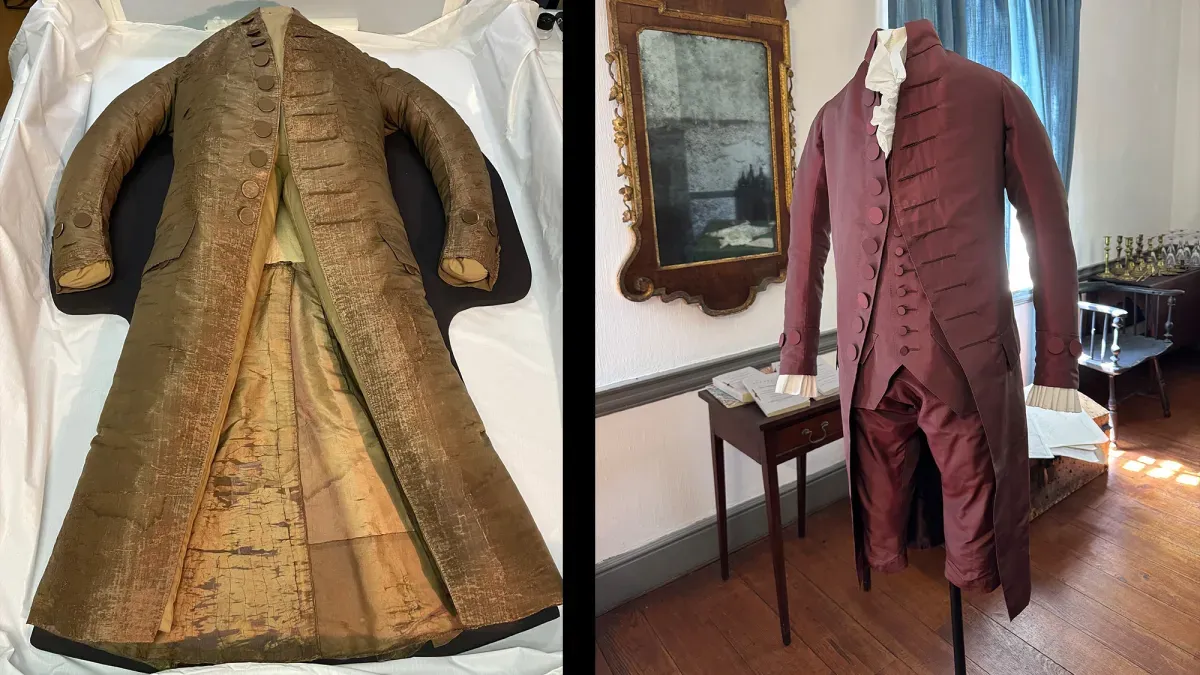
For nearly 250 years, we've been told a story: George Washington, at his 1789 inauguration ball, cut a dashing figure in a "golden suit." A symbol of new beginnings, a sartorial sunbeam. Except, as it turns out, the suit was about as golden as a grape.
Thanks to some rather clever chemistry, historians are now pretty sure the Father of His Country was actually rocking a vibrant, deep purple. Which, if you think about it, is both a massive historical wardrobe update and slightly more fabulous.
The Case of the Disappearing Gold
The Morristown National Historical Park in New Jersey, gearing up for America’s big 250th, has Washington’s famous overcoat on display. But its supposed golden hue has always been a bit… faded. Enter Dr. Asher Newsome, a chemist at the Smithsonian, who decided to play fashion detective.
We're a new kind of news feed.
Regular news is designed to drain you. We're a non-profit built to restore you. Every story we publish is scored for impact, progress, and hope.
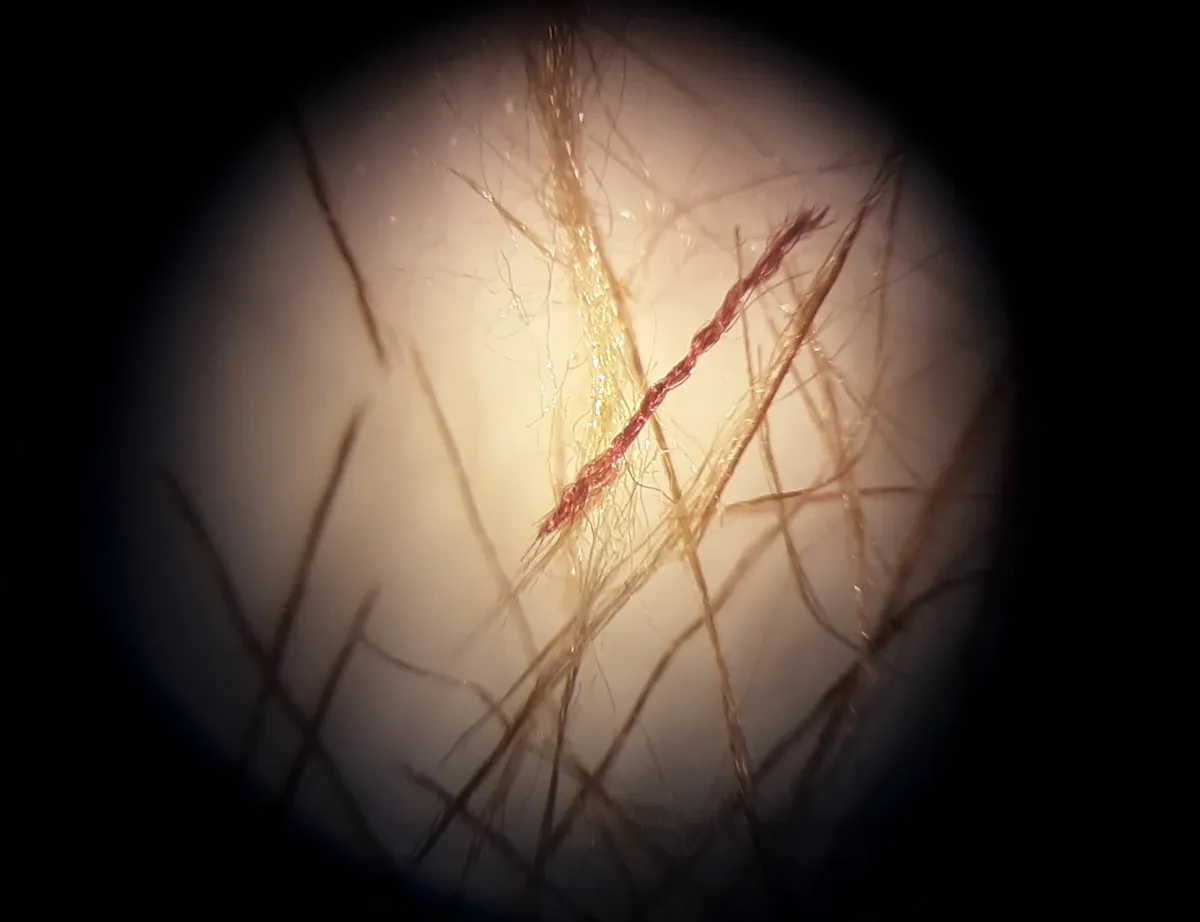
Start Your News DetoxNewsome didn't need to snip a piece of history. He just collected the microscopic fibers that had naturally flaked off the coat over centuries. Using a technique with the wonderfully sci-fi name of Direct Analysis in Real Time Mass Spectrometry (DART-MS), he identified the natural dyes embedded in those tiny threads. Because apparently that's where we are now: forensic fashion analysis for founding fathers.
What he found was a global cocktail of color: shellac from an insect, madder from a root, Brazil wood, walnut, and logwood. Each of these contributes different shades. Shellac can do crimson or deep purple. Madder screams red. And logwood? That's your rich, royal purple right there.
So, the curators at Morristown took Newsome's dye recipe and whipped up a replica. The result? Not a hint of gold. Instead, a stunning, deep plum. It seems Washington was less "golden boy" and more "regal eggplant."
The explanation for the long-standing color confusion is surprisingly simple: plum-colored silk, left to bask in the sun for a few centuries, tends to turn yellow. So, the original "golden suit" wasn't a fashion statement, but rather a very slow, very public case of sun fading. Take that, history books. Washington was just ahead of his time, rocking a color that's still trending today.