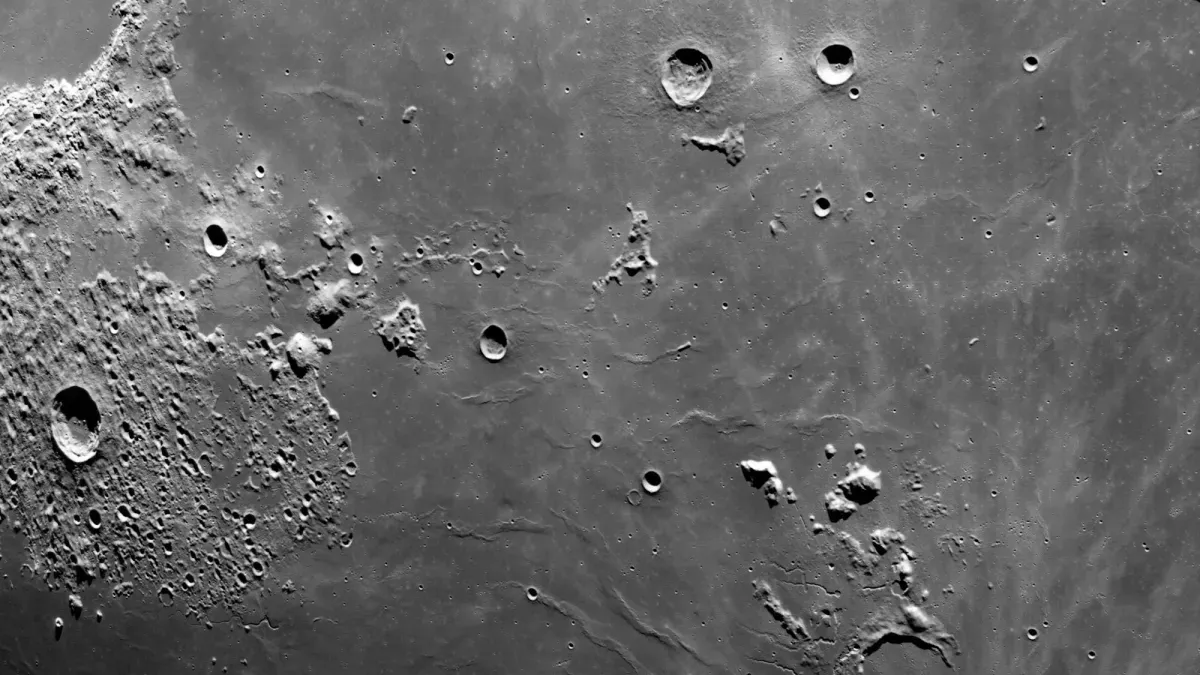
NASA's Curiosity rover, apparently tired of the same old Martian scenery, has officially switched into 'exploration mode.' Its current destination? A cluster of pale, wind-sculpted hills known as the 'yardang unit,' visible in the distance like some ancient, dusty landmark. Because, frankly, who doesn't love a good road trip, even if you're a multi-million-dollar robot on another planet?
As Curiosity trundles south, it's traversing a landscape of layered bedrock. We're talking light-colored strata mixed with bands of thin, dark, flaky material. Imagine a geological lasagna, but with more dust and fewer olives. Some of these rocks are sticking out at angles that make even the most seasoned rover planners raise an eyebrow, adding a bit of an obstacle course vibe to the journey.

The rover's instruments have been busy, poking and prodding the darker material at sites named "Rio Bio Bio" and "Placilla de Caracoles." Meanwhile, the lighter stuff got a once-over at brushed targets called "La Primavera" and "Los Quemados." ChemCam, not to be outdone, has analyzed both rock types, because a Martian rock is a Martian rock, but some are more interesting than others.
We're a new kind of news feed.
Regular news is designed to drain you. We're a non-profit built to restore you. Every story we publish is scored for impact, progress, and hope.
Start Your News DetoxWhat Mars is Telling Us
The team is also snapping an absurd number of photos. Think of it as a very dedicated tourist, capturing everything from the erosion-shaped "Mira Flores" hill to the intriguing sedimentary structures in the "Kimsa Chata" trough. These structures are the real prize, potentially revealing whether this area was once a desert, a lake, or perhaps that awkward in-between phase, like a desert that occasionally got a bit damp.
And because Mars isn't just about rocks, the Environmental Theme Group is keeping tabs on dust devils — because even on Mars, you need to monitor the local weather — and checking dust levels in the sky. Curiosity's next leg of the journey promises a clearer distinction between dark and light bedrock, followed by a remarkably smooth stretch. Which, if you're a rover, sounds like hitting the open highway. The team is, predictably, excited to see what new secrets Mars is about to spill. We'll wait here, patiently, for the postcards.