New research has identified four more members of Sir John Franklin's ill-fated 1845 expedition. This includes a sailor whose identity was a mystery for over 100 years.
Anthropologists from the University of Waterloo led the effort. They used DNA from skeletal remains and matched it with DNA from living relatives. This brings the total number of identified Franklin expedition sailors to six.
The Doomed Arctic Journey
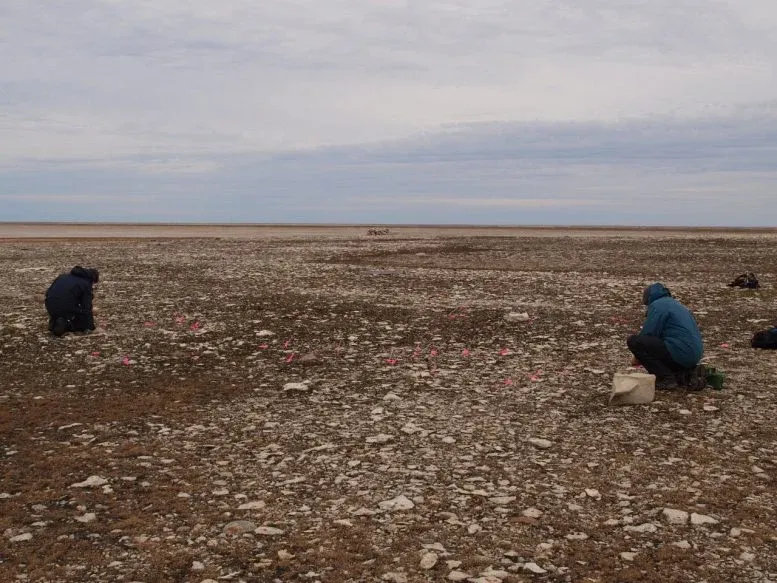
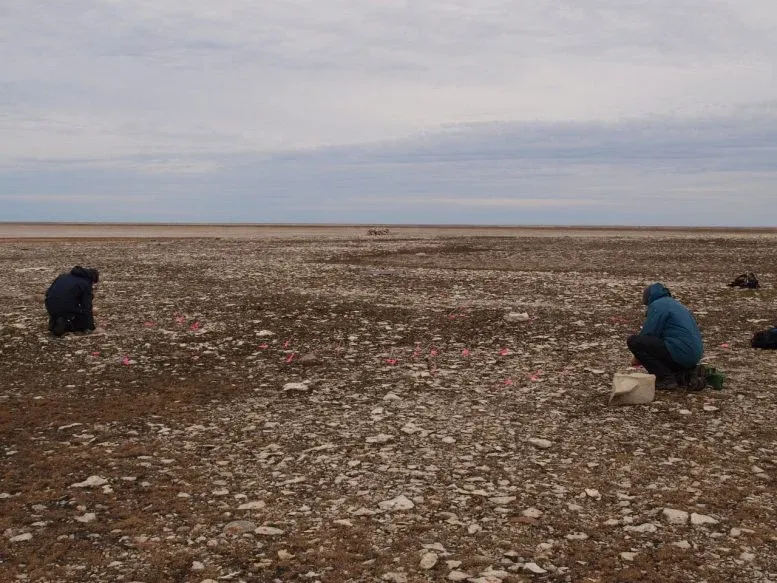
In April 1848, the expedition ships Erebus and Terror had been stuck in Arctic ice for nearly two years. The 105 surviving crew members tried to escape. They walked along the west coast of King William Island, Nunavut, pulling boats on sleds. None of them survived.
We're a new kind of news feed.
Regular news is designed to drain you. We're a non-profit built to restore you. Every story we publish is scored for impact, progress, and hope.
Start Your News DetoxSince the mid-1800s, remains linked to the expedition have been found on King William Island and the Adelaide Peninsula.
DNA Identifies More Sailors
The new identifications add important details about the expedition's final days. They also solve a 166-year-old question about one crew member.
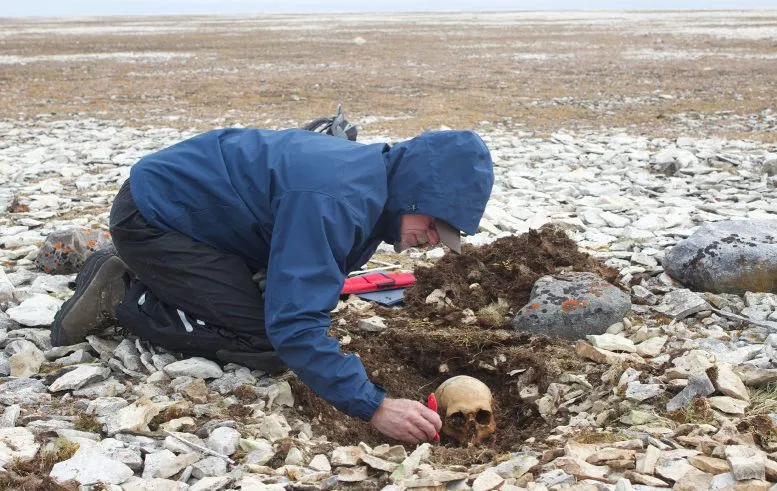
"Three of the sailors we have identified are from HMS Erebus, and they all died at Erebus Bay," said Dr. Douglas Stenton, an adjunct professor of anthropology at Waterloo. "The fourth, the only sailor from the HMS Terror to be definitively identified by DNA analysis, was found 130 kilometers away."
This sailor is Harry Peglar, Captain of the Foretop on HMS Terror. His identification clears up a mystery from 1859. That's when a body was found with Peglar's personal papers, but wearing clothes that didn't match his rank.
"It was interesting to conclusively identify this sailor because the body was found with almost the only written documents from the expedition ever found," said Dr. Robert Park, a professor of anthropology at Waterloo and co-researcher. These "Peglar Papers" included his seaman's certificate, poetry, and descriptions of some expedition events.
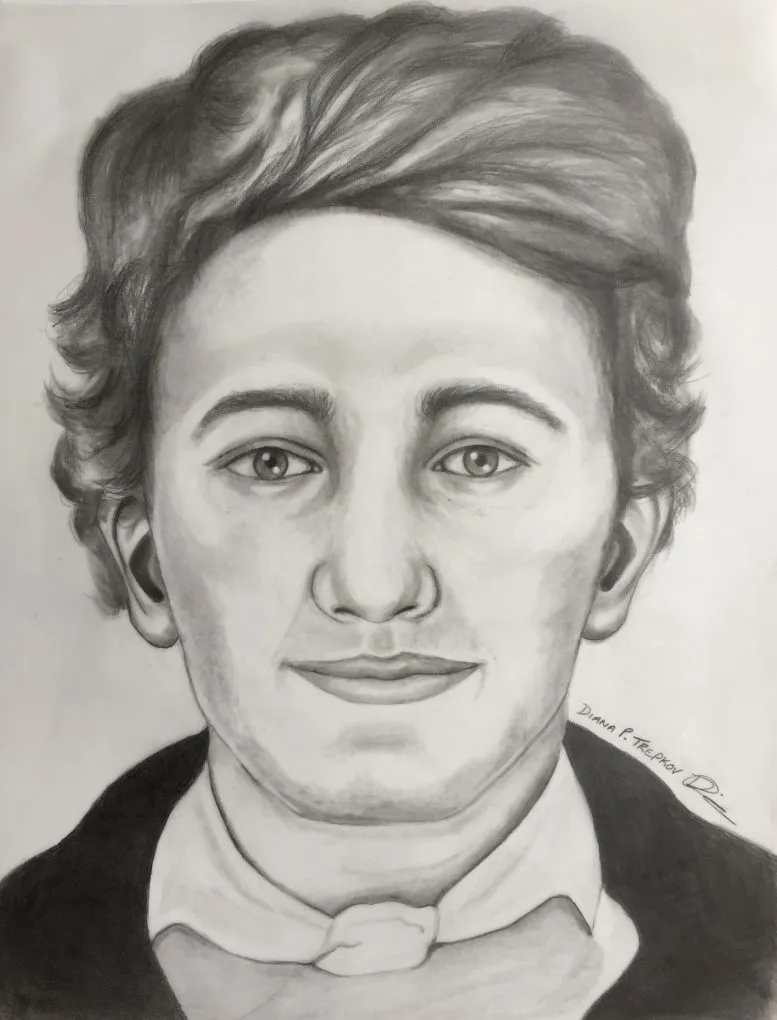
The three other identified expedition members are William Orren, Able Seaman; David Young, Boy 1st Class; and John Bridgens, Subordinate Officers’ Steward. Their identification shows they all survived the first three years of the expedition. They were among the men who tried to escape the Arctic.
Descendants Help Uncover the Past
These new findings build on earlier identifications by the same research team. In 2021, DNA from a descendant helped identify John Gregory, Engineer of HMS Erebus. In 2024, another DNA match identified James Fitzjames, the Captain of Erebus. His body showed signs of cannibalism. The newly identified sailors' remains show no such evidence.
"For the living descendants, these findings provide previously unavailable details," Stenton said. This includes where and how their relatives died, and who died with them.
The research also revealed that BBC News journalist Rich Preston is a descendant of John Bridgens. Preston was surprised and excited to learn about this connection to his family's past.
More Identities May Emerge
To identify the four sailors, study co-author Stephen Fratpietro of Lakehead University extracted DNA from archaeological samples. He compared it with mitochondrial and Y chromosome DNA from descendants. In all four new cases, the DNA matched perfectly, showing a shared ancestor.
DNA from descendants is crucial for identifying remains and adding details to the escape attempt. Researchers confirm eligible descendants through genealogical records that show a direct maternal or paternal line. The team encourages other descendants of Franklin expedition members to contact them. Their DNA could help identify even more individuals.
Deep Dive & References
DNA identifications of three 1845 Franklin expedition sailors from HMS Erebus - Journal of Archaeological Science: Reports, 2026
"Some very hard ground to heave": DNA identification of Harry Peglar, Captain of the Foretop, HMS Terror - Polar Record, 2026