Researchers believe the first humans in Ireland likely came from Wales. This idea follows an "exciting" discovery of ancient cave art.
A Land Bridge to Ireland
During the last Ice Age, much of the British Isles was covered by a huge glacier. Sea levels were much lower then. This created a "lost land bridge" between what is now Pembrokeshire, Wales, and Rosslare, in the southeast of Ireland.
Dr. George Nash, a rock expert from Liverpool University, said hunter-gatherers would have used this pathway. He leads the Lost Land Bridge Project. His team found eight cave sites in southwest Ireland with rock art. This art dates back at least 15,000 years. This is about 5,000 years older than the previous earliest evidence of humans in Ireland.
We're a new kind of news feed.
Regular news is designed to drain you. We're a non-profit built to restore you. Every story we publish is scored for impact, progress, and hope.
Start Your News DetoxNash explained that the land bridge was a forested and grassland plateau. It stretched about 46 miles (76 km) from coast to coast. Temperatures in summer were typically -10°C to -20°C. The pathway supported wild horses, mammoths, bison, and reindeer. These animals ate the tough plants growing in the fertile, nearly frozen soil.
Nash always believed people would have used this pathway. He gathered a team of experts from University College Dublin, the University of Adelaide, Dubai, Wales, and Portugal.
Finding Hidden Art with AI
Before this discovery, the oldest human evidence in Ireland was about 10,500 years old. Nash said this couldn't be right. He felt people weren't looking in the right places.
Advances in artificial intelligence (AI) helped a lot. With caving specialist Shane Diffily and digital mapping consultant Darren Lee, the team used AI. They fed the computer information about cave dwellings in south Wales. The AI then searched for similar sites in Ireland. This saved them from searching aimlessly.
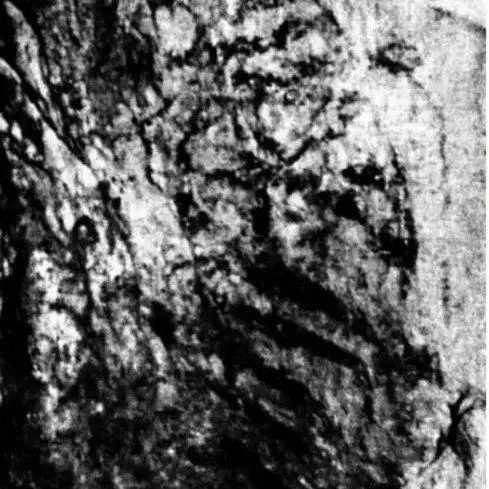
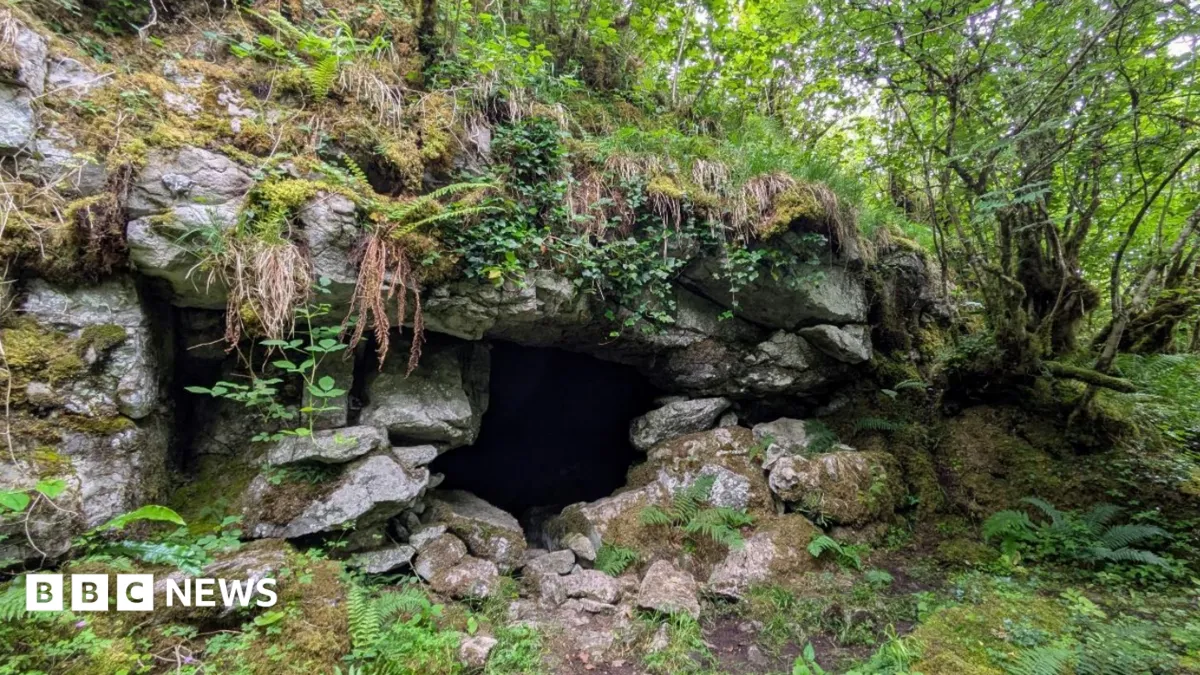
The computer model identified 28 potential caves in southwest Ireland. The team investigated them. Eight of these caves had art dating back at least 15,000 years. The team is keeping the exact locations secret to protect them from vandalism.
A Journey Westward
Modern-day south Wales was settled about 35,000 to 40,000 years ago. Early humans from southern England, France, and Spain crossed dried-up land bridges. They settled in caves along the coast from Chepstow to St Davids. Over 20,000 years, their art evolved. It went from simple line drawings to more detailed pictures. The art found in Ireland shows a further progression.
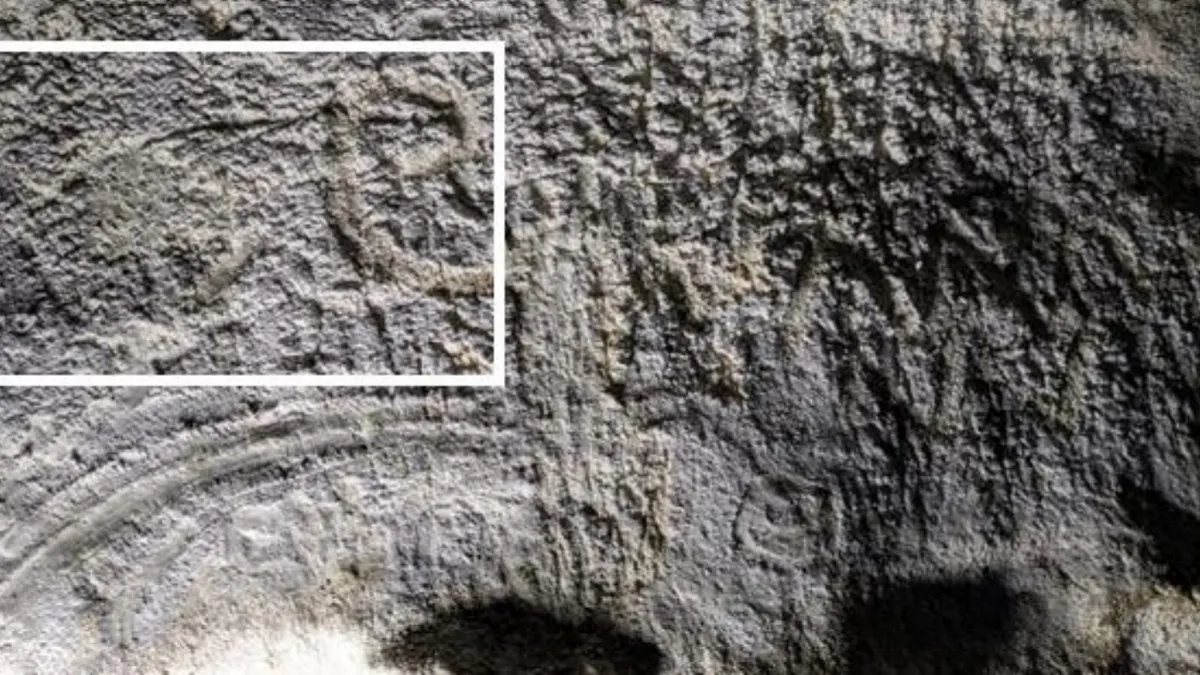
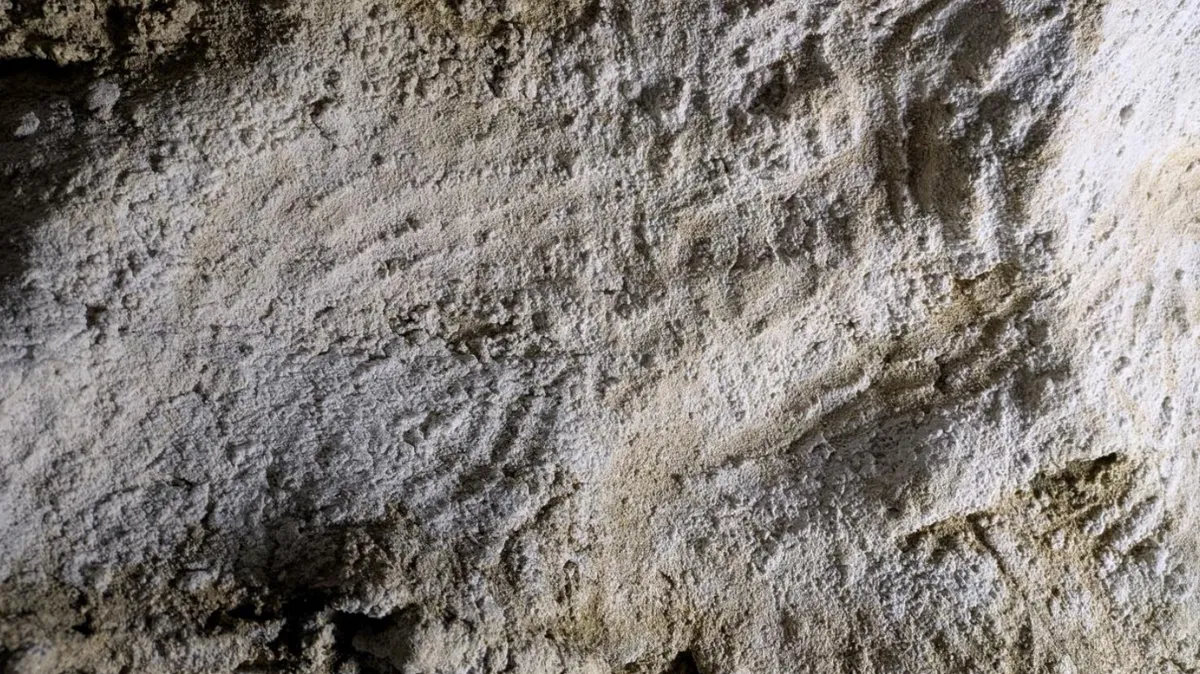
The rock art includes engravings, paintings in ochre and charcoal, and finger sketches in clay.
Nash believes a growing population pushed humans westward and northward. For example, the Gower Peninsula had about 100 human-inhabited caves. At that time, people couldn't build their own homes. Caves offered a cozy place to live, staying between 10°C and 15°C year-round. Fires at the entrance kept predators away.
Competition for these caves was high. As families grew and people learned more about animal migration, they became bolder.
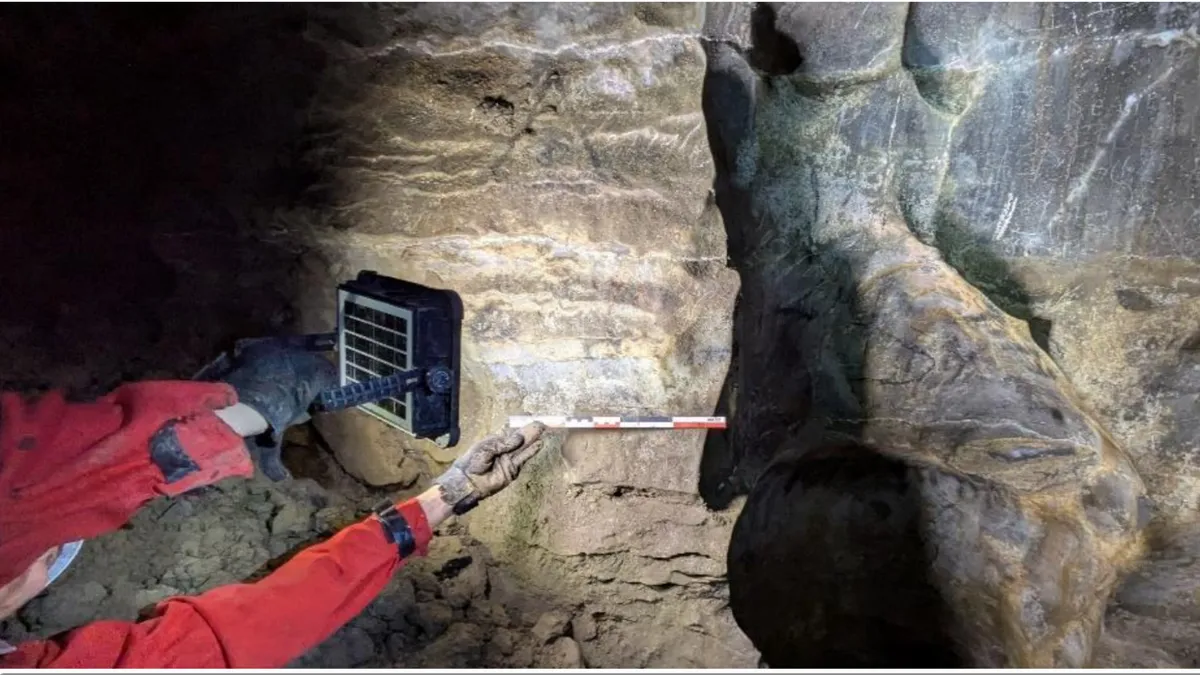
The Lost Land Bridge Project team thinks there are many more discoveries to come. Nash said it's unlikely early humans only explored southwest Ireland. He believes more, and even earlier, sites are waiting to be found. This project is expanding what we know about early human movement in northwest Europe.