This week, it felt like someone decided to recalibrate our collective lens. We spent a good chunk of it looking further, deeper, and more accurately than ever before — both into the cosmos and, surprisingly, right back at ourselves on Earth.
The Cosmos Just Got a New Pair of Glasses
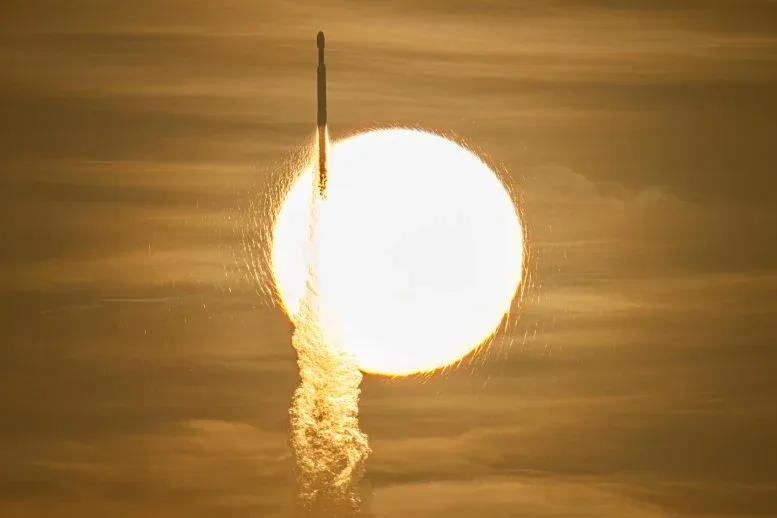
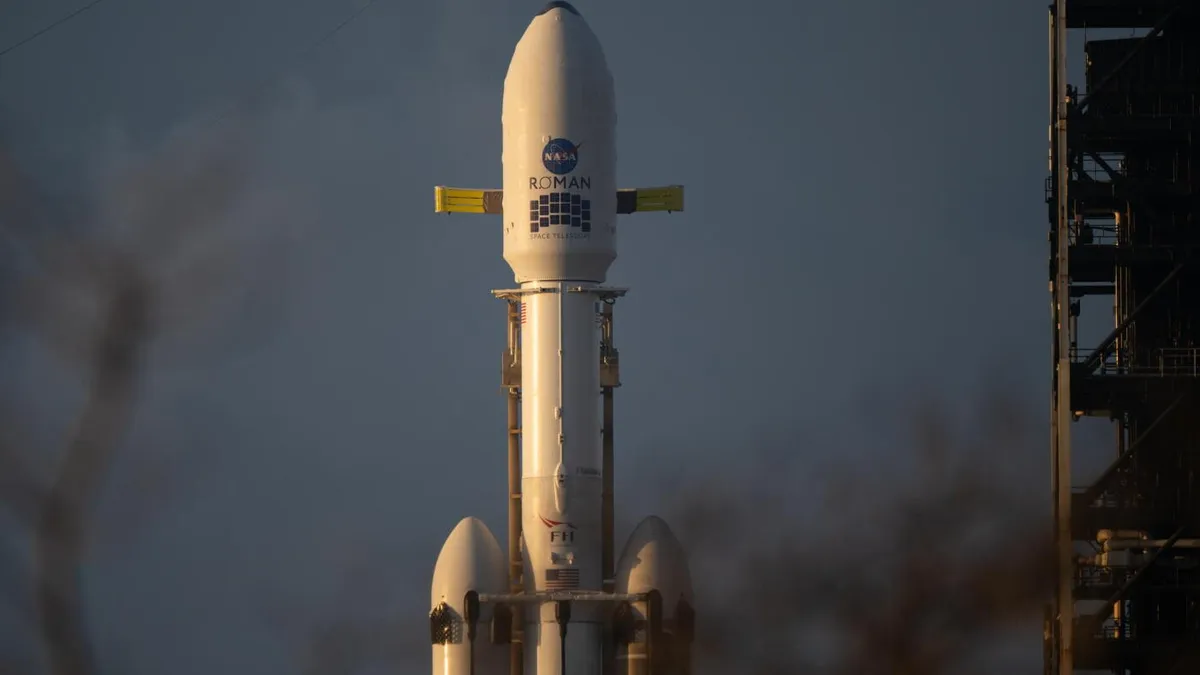
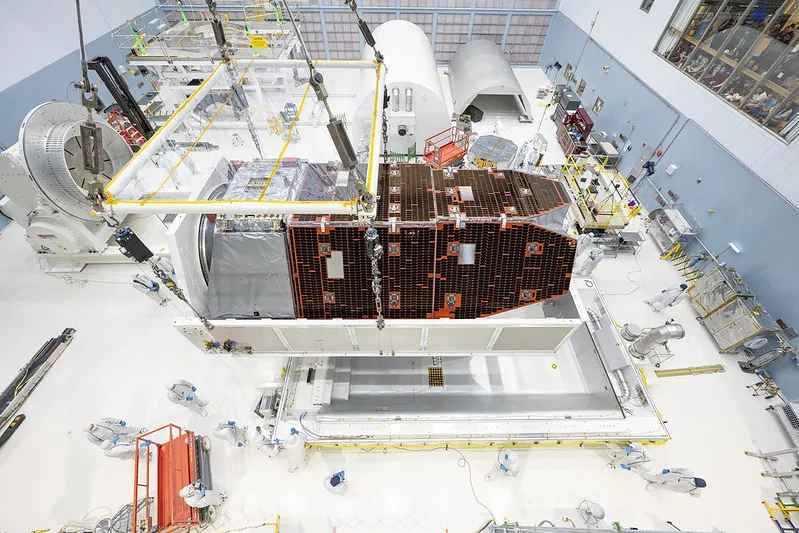
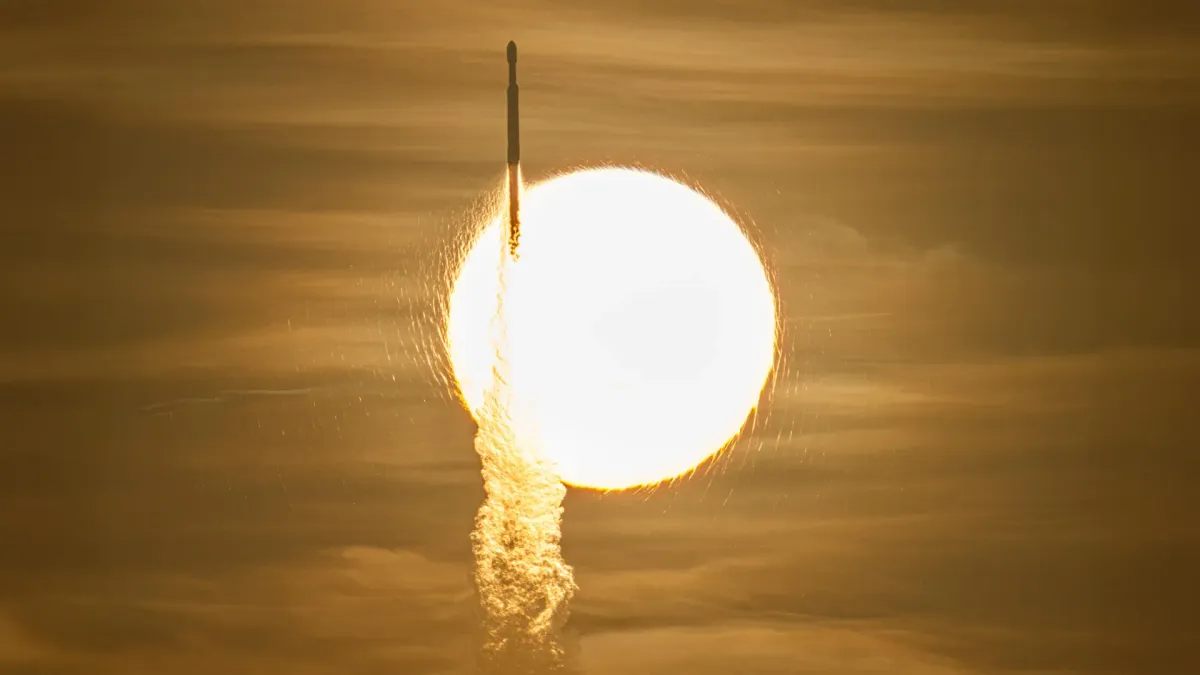
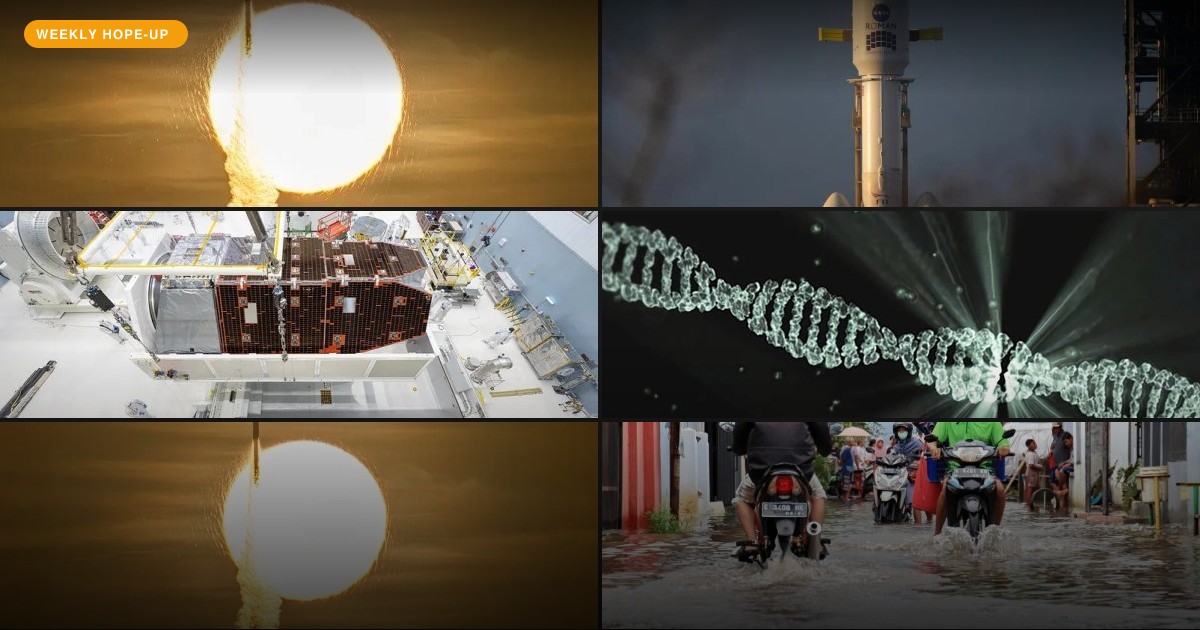
For nearly a decade, astronomers have been waiting, and this week, their patience paid off. NASA successfully launched the Roman Space Telescope, a tour-bus-sized marvel that will journey a million miles to map the hidden universe. This isn't just another pretty picture machine; it sees 100 times more sky than Hubble, promising to unlock secrets about dark matter, dark energy, and over 100,000 exoplanets. It’s the kind of instrument that makes you wonder what we've been missing all this time. NASA also unveiled a giant new dish for its Deep Space Network, ensuring we can actually hear what Roman and its celestial compatriots are whispering back.
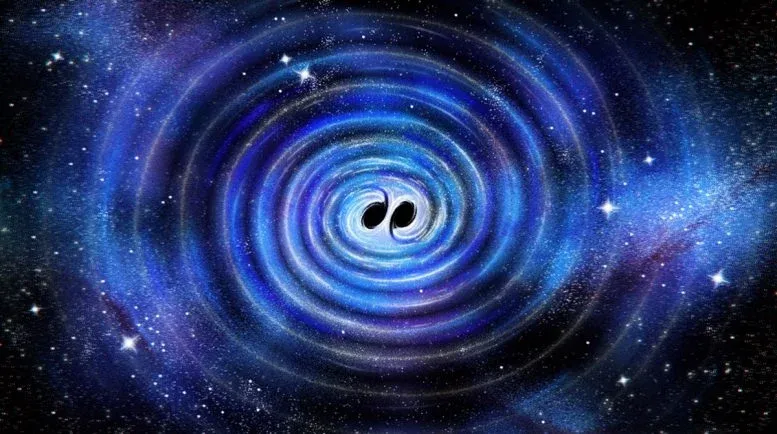
Meanwhile, the universe continued to surprise us closer to home, as scientists found a new way to 'hear' black holes sing by mapping subtle gravitational wave vibrations. Turns out, the cosmos is a lot more musical than we thought. If you've ever felt small contemplating the universe, this week offered a reminder that we're getting remarkably good at listening in on its grand opera.
We're a new kind of news feed.
Regular news is designed to drain you. We're a non-profit built to restore you. Every story we publish is scored for impact, progress, and hope.
Start Your News Detox"The space telescope with 100 times the sky coverage of Hubble lifted off from Florida this past Sunday. Astronomers have been waiting nearly a decade for this." — Read the full story
Our Own World Got a Reality Check
While we were busy staring at distant galaxies, a much-needed correction happened right here on Earth. The UN voted to adopt a new world map that accurately reflects countries' true sizes, sponsored by African states to correct centuries of visual distortion. If you've ever looked at a Mercator projection and wondered why Greenland looked bigger than Africa, this week, the map caught up to reality. Interestingly, the U.S. was the lone vote against it, proving that sometimes, even accurate cartography can be controversial. It’s a quiet but profound shift in how we visually understand our planet and each other.
And speaking of overdue corrections, a new scientific method means scientists can now pinpoint exactly which company caused which climate disaster. This isn't an industry-wide estimate; it's a direct line from a specific company's emissions to a specific event. This changes the game for accountability and makes it much harder to hide behind generalities. If you've been waiting for clear evidence to hold corporations responsible for climate change, this week just handed you the receipts.
"Before the proceedings began, the young women carried Longperson into the room with them, water gathered from the mountain headwaters and held in traditional pottery. The chamber filled beyond capacity, supporters spilling into the lobby." — Read the full story
The Very Small Just Got Very Big
Sometimes, the biggest stories come in the smallest packages. Researchers at UC San Diego demonstrated that one of biology’s most essential enzymes can accurately read an expanded, eight-letter genetic alphabet. All known life uses four letters; now, we know our biological machinery can handle double that. This isn't just a fun fact; it could open doors for entirely new forms of synthetic biology and genetic engineering. Meanwhile, in a development that sounds straight out of science fiction, scientists found that magnetic bacteria made worms live 43% longer by suppressing a type of cell death. If you've ever thought about the building blocks of life, this week showed us they're far more flexible and surprising than we imagined.
Hope stat: 100x — the amount of sky NASA's new Roman Space Telescope can see compared to Hubble, promising a deluge of new cosmic insights.
Watch this space: Keep an eye on how that new climate attribution science starts to play out in legal challenges and corporate responsibility discussions.