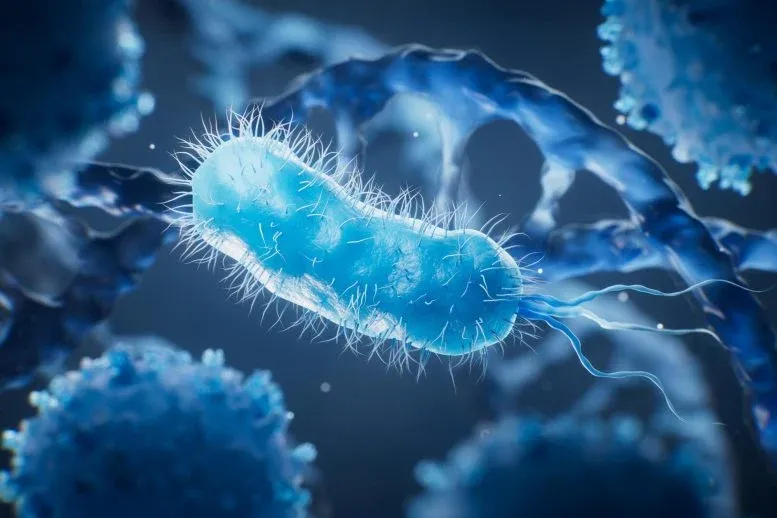
Picture this: a tiny, magnetic bacterium, the kind that usually just quietly navigates the world using Earth's magnetic field, suddenly decides it's had enough of the aging process. And then it extends a worm's life by a mind-boggling 43.39%.
That's the latest plot twist from a lab in China, where researchers introduced Magnetospirillum magneticum AMB-1 to a group of Caenorhabditis elegans worms. Not only did these worms live significantly longer, but they also kept their youthful gut health and brain function. Because apparently that's where we are now: tiny magnets fighting the good fight against entropy.
The Iron Problem
The secret, it turns out, lies in something called ferroptosis. Think of it as a cellular meltdown, triggered by an overload of iron and subsequent damage to essential fats within cells. It's a type of cell death that tends to ramp up as we get older, like an uninvited guest who overstays their welcome and then trashes the place.
We're a new kind of news feed.
Regular news is designed to drain you. We're a non-profit built to restore you. Every story we publish is scored for impact, progress, and hope.
Start Your News DetoxThe Magnetospirillum magneticum AMB-1 bacteria are famous for building their own internal compasses, known as magnetosomes. These are basically microscopic magnetic crystals. While scientists have explored these tiny navigators for everything from drug delivery to cancer treatment, their anti-aging prowess was, until now, completely off the radar.
The team, led by Professor An Xu at the Hefei Institutes of Physical Science, found that the bacteria's magnetosome-making ability was key. Strains of the bacteria that couldn't produce these internal magnets, or did so less effectively, didn't offer the same impressive lifespan extension. It seems the full magnetic package is required for optimal anti-aging shenanigans.
By reducing iron buildup and fat damage, AMB-1 effectively put the brakes on ferroptosis. Genetic tests confirmed that the specific cellular pathways linked to this iron-fueled cell death were directly involved in the worms' newfound longevity. Which, if you think about it, is both impressive and slightly terrifying.
So, while we're not suggesting you start chugging magnetic bacteria smoothies just yet, these findings open up a whole new (and frankly, wild) avenue for understanding how microbes might influence aging, and perhaps, how we might one day use them to keep things running a little longer.