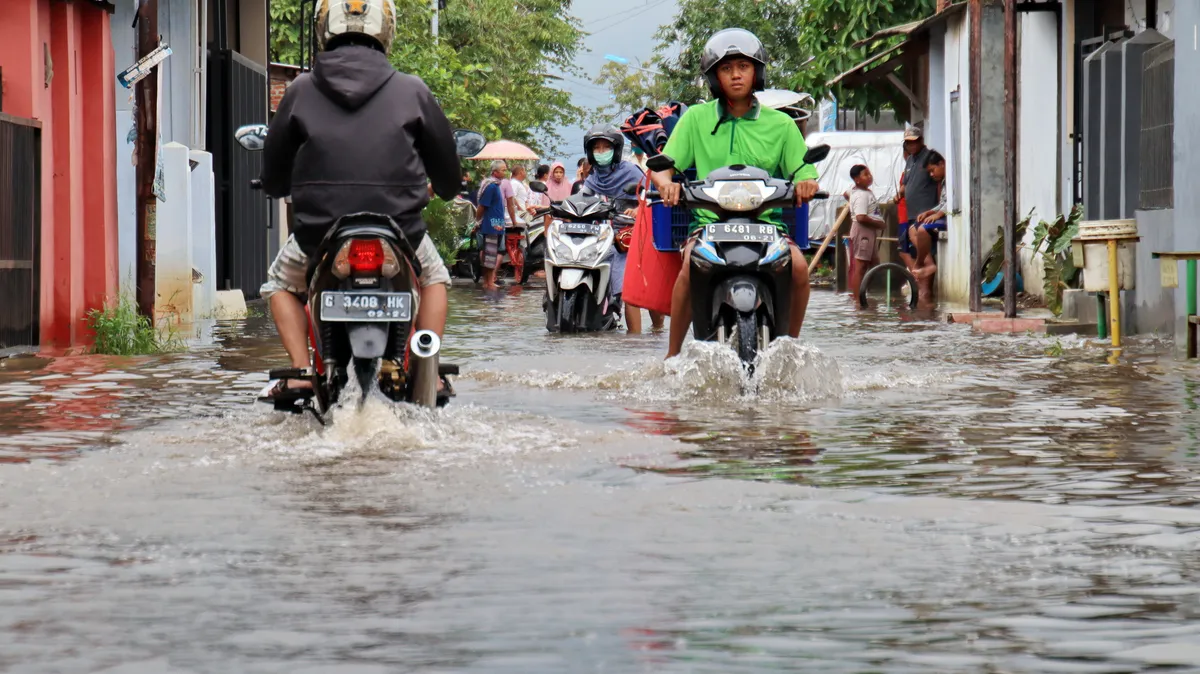
For years, the fossil fuel industry's go-to defense in climate lawsuits has been a shrug and a simple, yet effective, argument: you can't prove it. How do you link one company's emissions to a specific heatwave or flood? It's like blaming a single raindrop for a flood.
Well, that defense just got significantly harder to make. A new study, published in Earth's Future, has developed a method to connect a specific oil company's historical emissions to the increased probability of a specific extreme weather event. No more general estimates. We're talking percentages, companies, and actual disasters. Someone's legal team just had a very bad day.
The Smoking Gun, Scientifically Speaking
Christopher Callahan, an Earth systems scientist at Indiana University, is the man behind this particular headache for Big Oil. He ran over 150 simulations using eight different climate models, essentially creating a detailed map of how atmospheric carbon dioxide influences extreme heat and rainfall. Then, he overlaid historical emissions data from individual companies and countries.
We're a new kind of news feed.
Regular news is designed to drain you. We're a non-profit built to restore you. Every story we publish is scored for impact, progress, and hope.
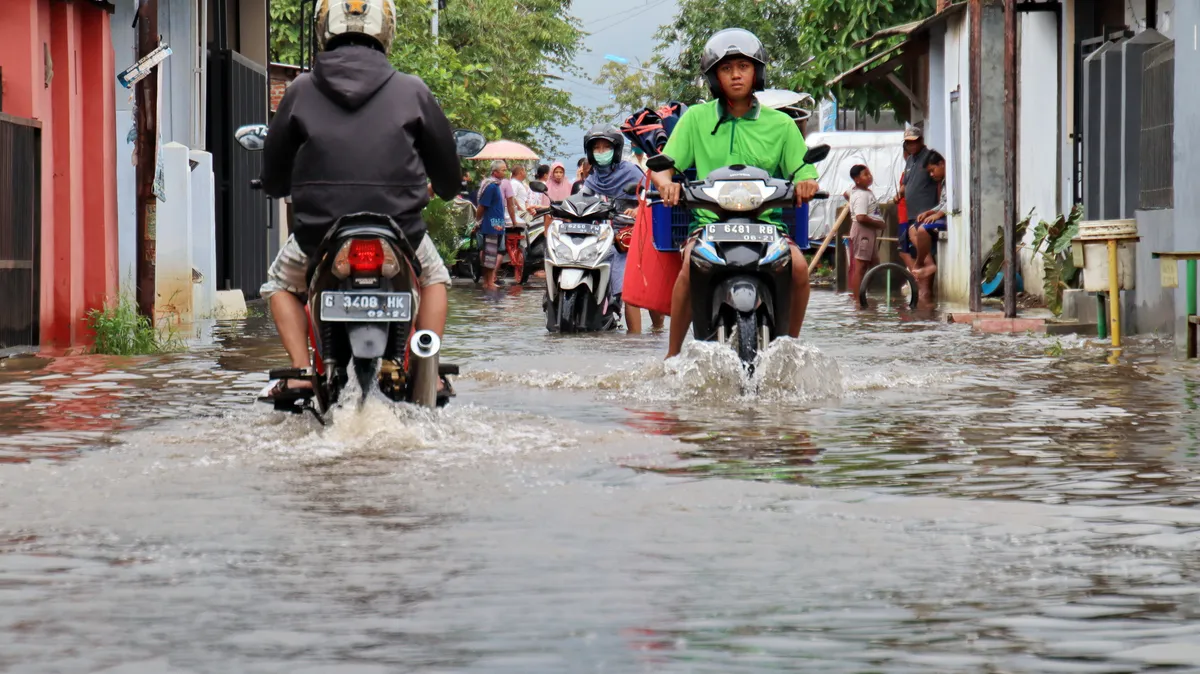
Start Your News DetoxThe results are less an accusation and more a scientific mic drop. Fossil fuel companies, for example, increased the chance of the brutal 2021 Pacific Northwest heatwave by a cool 31%. They also bumped up the probability of Pakistan's catastrophic 2022 extreme rainfall by seven percent. Callahan's takeaway? "Every ton matters."
Climate attribution science isn't new; it's been around for two decades, asking how much human-caused warming increased the odds of an event. But source attribution takes it a step further, pointing fingers at specific companies for specific effects.

This kind of detailed analysis used to be a computing nightmare, taking months and massive resources. Callahan's method simplifies it. Because the link between total emissions and warming is predictable, he can calculate each emitter's contribution using historical data alone. It's a direct line, he explains, between a company's output and the extreme events that upend lives. Kim Cobb, a climate expert at Brown University, called the work "extremely valuable," noting it "would have been a pipe dream 10 years ago."
The Legal Storm Clouds Gather
More than 40 climate lawsuits have been filed against major oil companies in the U.S. since 2017, brought by states, cities, and even tribal governments. At least five have already reached the discovery phase, meaning executives might soon be sharing internal documents and testifying about what they knew, and when.
Callahan's study lands squarely in the middle of these legal battles. Even a writer for Energy In Depth, an industry publication, acknowledged its importance, noting it helps plaintiffs overcome the major legal hurdle of proving causation. It's no wonder the American Petroleum Institute listed stopping "extreme climate liability policy" as a top priority for 2026. This new science just made that goal a lot more elusive.

For over 50 years, the fossil fuel industry has been aware of its role in warming the planet. They've also funded efforts to sow doubt about climate science. There was even a secret campaign by oil industry allies to discredit a National Academies of Sciences report on extreme weather attribution, unearthed by a Politico investigation. This happened right after Republican attorneys general pushed to remove a climate science chapter from a federal judges' manual. A NASA scientist, who preferred to remain anonymous, called that decision "pathetic."
Scientists, however, are largely in agreement. Michael Mann, a climate scientist at the University of Pennsylvania, lauded the NAS report as "great." Kristina Dahl, a climate scientist at Climate Central, called it "a really excellent roundup of the state of the science." Callahan himself understands the political implications but believes scientists should follow the data wherever it leads, regardless of who gets uncomfortable. Because, as climate scientist Yann Quilcaille puts it, "We need to act quickly, and we have the solutions."