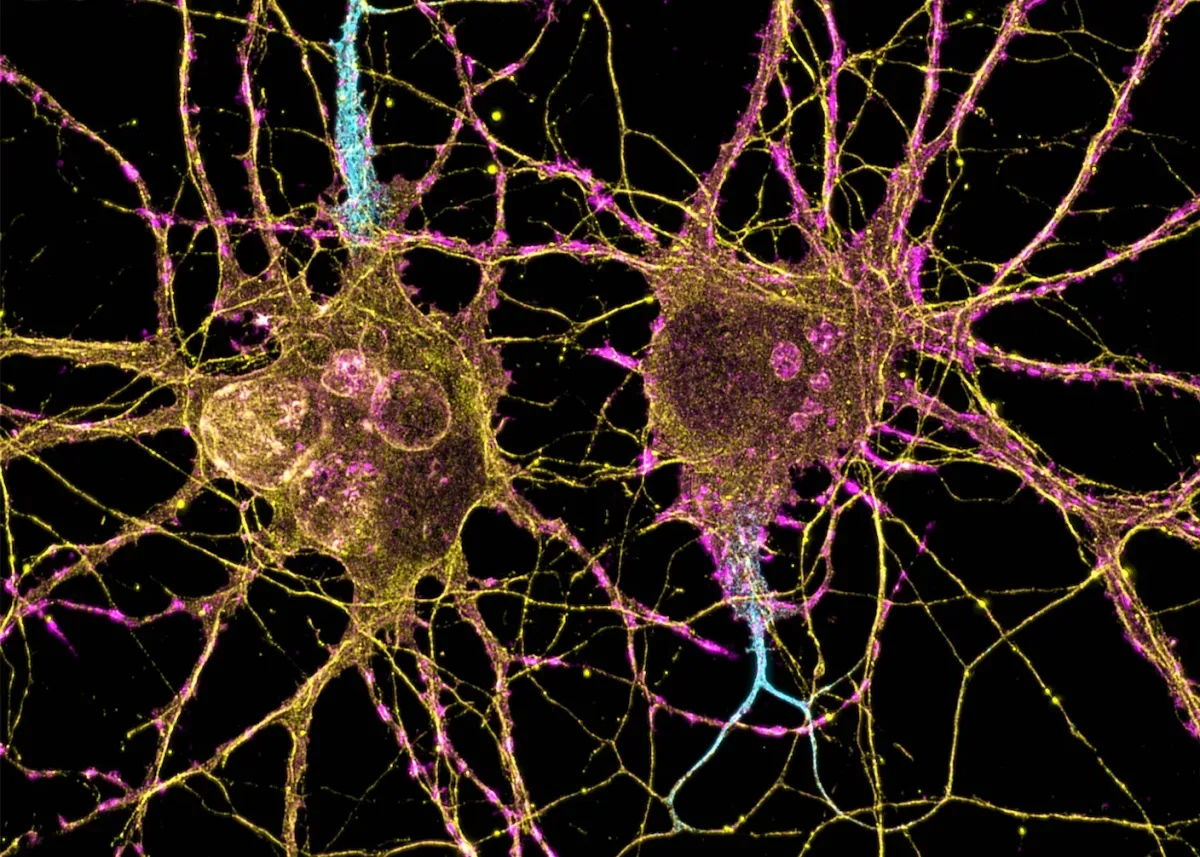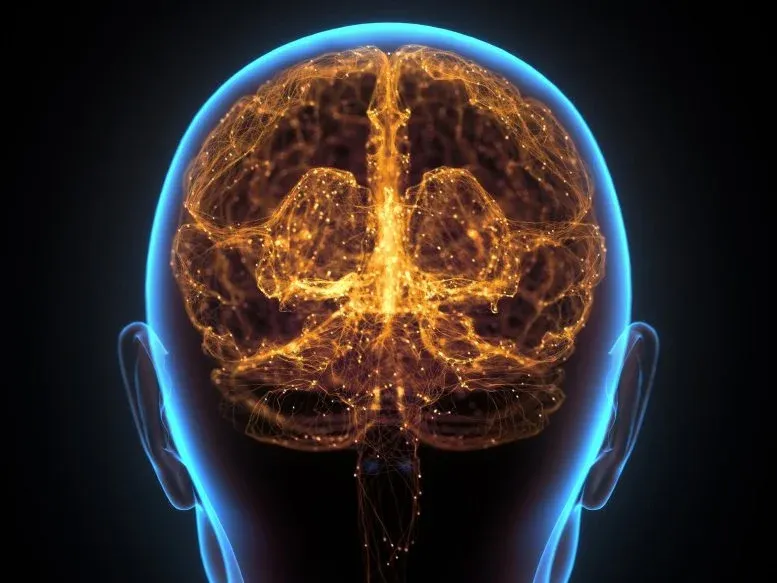
For a long time, the brain was considered the VIP section of the body: no riff-raff, no immune system mingling. It was thought to be largely separate, a pristine, protected fortress. Turns out, that fortress has its own rapid-response team hiding in plain sight.
Researchers at Washington University School of Medicine in St. Louis just flipped the script on neuroimmunology. They've discovered lymph node-like structures — basically, tiny immune command centers — tucked away inside the skull bone marrow of mice. And these aren't just any immune centers; they're brain-specific immune hubs, ready to spring into action.
Your Skull: More Than Just a Hard Hat
Dr. Jonathan Kipnis, one of the lead authors of the study published in Nature, put it best: the skull bone marrow is far more than just scaffolding. It's home to these newly found immune hot zones, crucial for brain defense. Which, if you think about it, is both impressive and slightly terrifying. It's like finding a secret, fully-staffed bunker under your house that you never knew existed.
We're a new kind of news feed.
Regular news is designed to drain you. We're a non-profit built to restore you. Every story we publish is scored for impact, progress, and hope.
Start Your News DetoxHis team previously found lymphatic vessels (the body's waste disposal system) in the dura mater, the tough membrane surrounding the brain. They also identified tiny channels connecting the skull, dura, and brain tissue. These are the superhighways for immune cells and waste to travel between the brain and the nearby skull bone marrow.
In their latest experiments, they watched proteins from the brain zip through these channels straight into the skull bone marrow. There, they found these specialized immune structures. Think of them as training camps where T follicular helper cells coach B cells to mass-produce antibodies, preparing for battle against invaders. Jang Hyun Park, the study's first author, noted they'd never seen anything like these structures in healthy bone marrow before. Apparently, the brain, in all its complexity, decided it needed its own dedicated bouncers.
First Responders for Brain Tumors
So, what do these skull-based immune hubs actually do? The researchers investigated their role in fighting glioblastoma, a particularly nasty brain cancer, using a mouse model. The results were stark: when these skull immune hubs were disrupted, the tumors grew faster, and the mice didn't live as long. Proof that these local defense stations are vital in the fight against cancer.
But they didn't stop there. The team tried to boost the immune activity in the skull marrow. They applied a gel containing three immune-boosting proteins under the scalp (because apparently, that's where we are now). This led to a surge in antibody production right there inside the skull bone marrow. The immune responses to the tumors actually showed up first in these skull hubs, only appearing later in other, more distant lymph nodes.
Mice that got this targeted treatment fought off tumors better and lived longer. Dr. Kipnis believes this discovery could revolutionize treatments for a whole host of brain conditions — Alzheimer's, Parkinson's, schizophrenia, even long COVID. By targeting these "first responders" directly through the skull, we might be able to treat brain diseases with fewer side effects elsewhere in the body. Your skull isn't just protecting your brain; it's actively defending it.