This week, the universe decided to reveal a few more of its secrets, while back on Earth, we got busy digging deeper and mapping everything in sight. It seems the grand scale of the cosmos and the granular detail of our own planet are both under intense, hopeful scrutiny.
The Cosmos Is Calling, and We're Answering
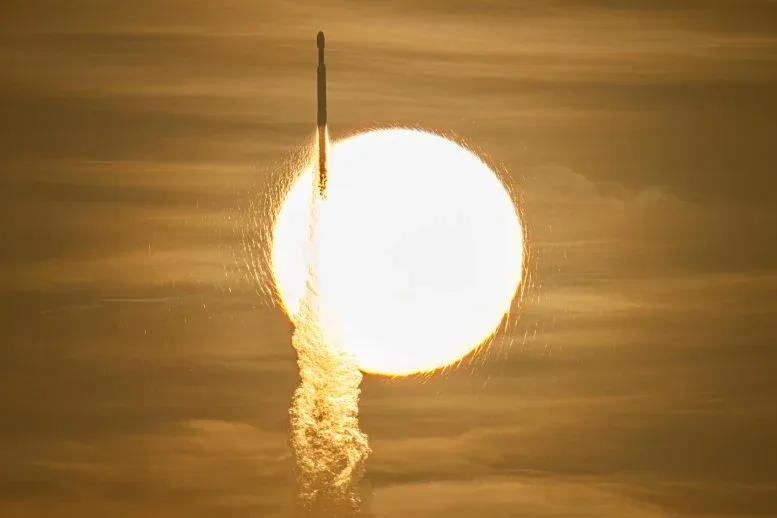
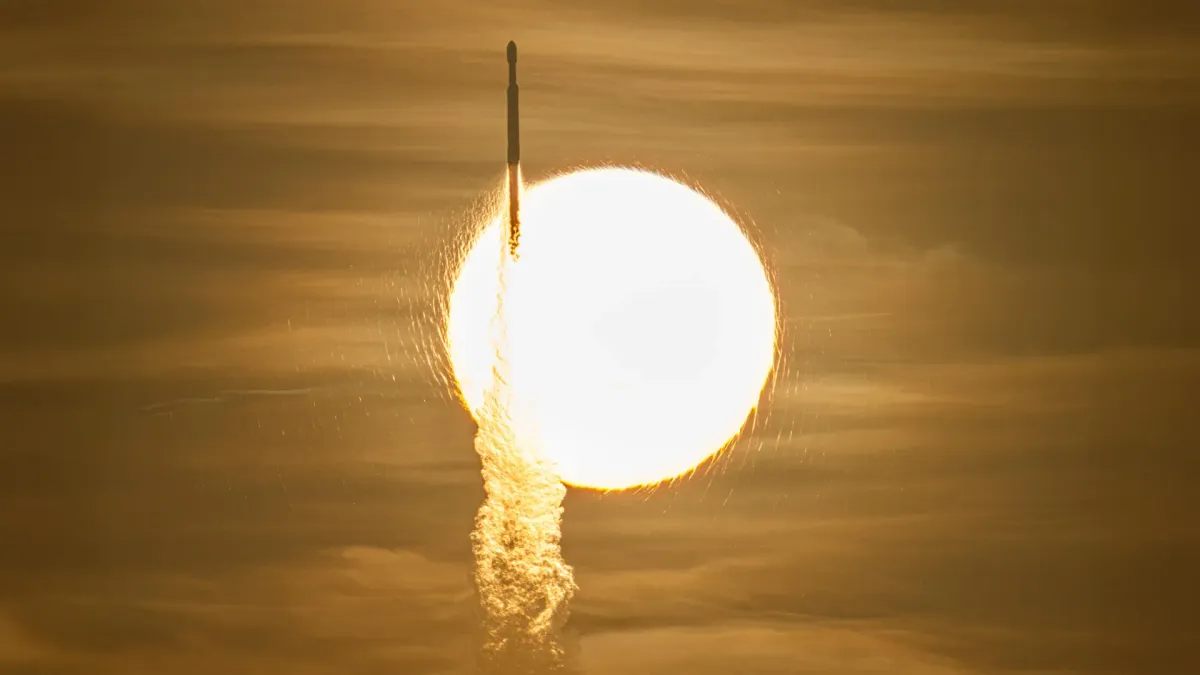
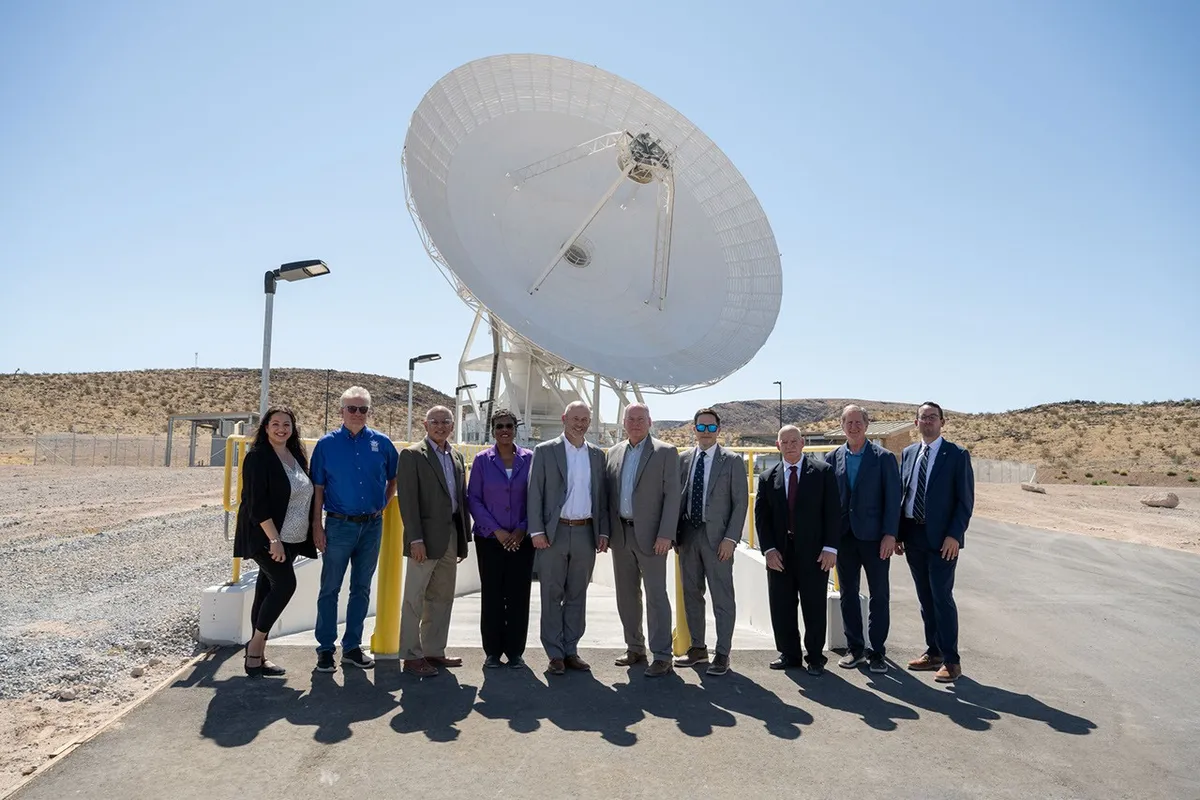
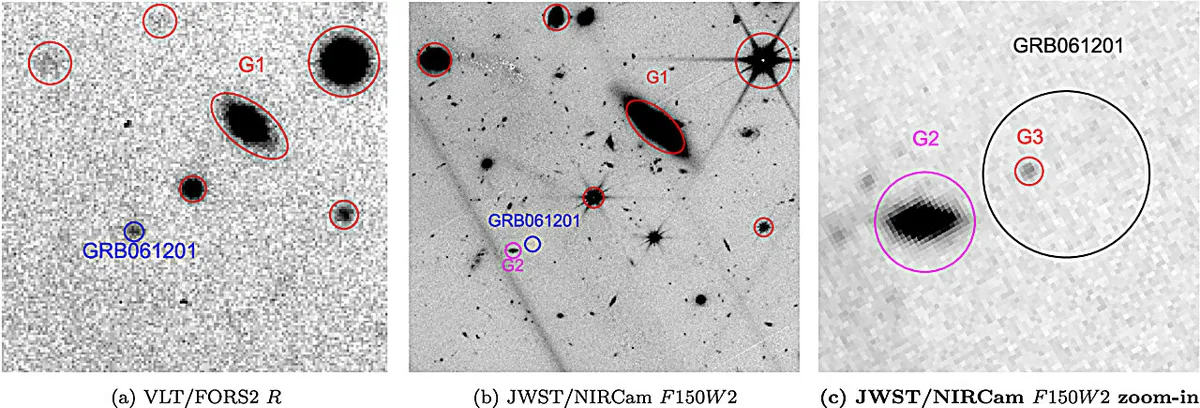
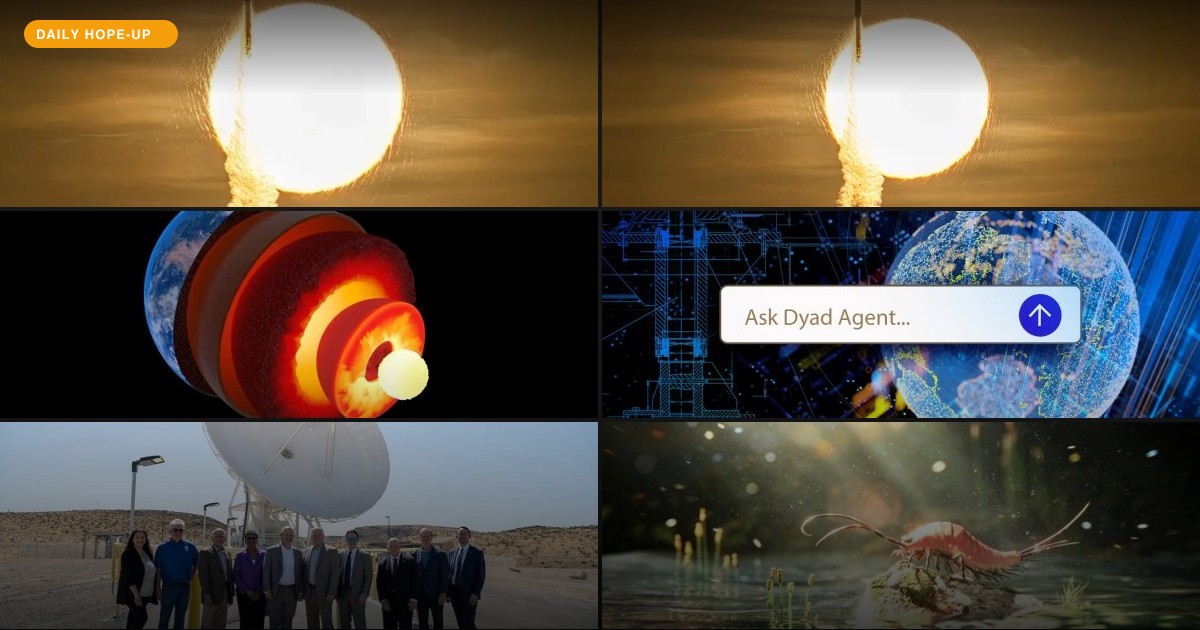
Barely a day goes by without some new cosmic revelation, but this week felt particularly expansive. First, NASA launched the Roman Space Telescope, a truly ambitious undertaking designed to peer into the universe's most elusive corners. Heading a million miles out, Roman isn't just looking for new stars; it's on the hunt for dark matter and dark energy – the stuff that makes up 95% of the cosmos but remains stubbornly invisible. And if that wasn't enough, NASA also unveiled a giant new dish for its Deep Space Network, essentially upgrading humanity's cosmic phone line. Meanwhile, astronomers finally solved a 20-year space mystery using a faint galaxy, explaining a gamma-ray burst that had previously defied the laws of physics. It appears the universe isn't just vast; it's also a bit of a puzzle, and we're getting better at putting the pieces together.
This means that the biggest questions about existence aren't just for philosophers anymore; they're increasingly within reach of our instruments.
We're a new kind of news feed.
Regular news is designed to drain you. We're a non-profit built to restore you. Every story we publish is scored for impact, progress, and hope.
Start Your News Detox"NASA’s Roman Space Telescope has launched on a million mile journey to L2, where it will scan huge portions of the cosmos for clues about dark matter, dark energy, and distant worlds. With survey speeds roughly 1,000 times faster than Hubble and a torrent of 1.4 terabytes of data per day, Roman could revolutionize our understanding of the universe." — Read the full story
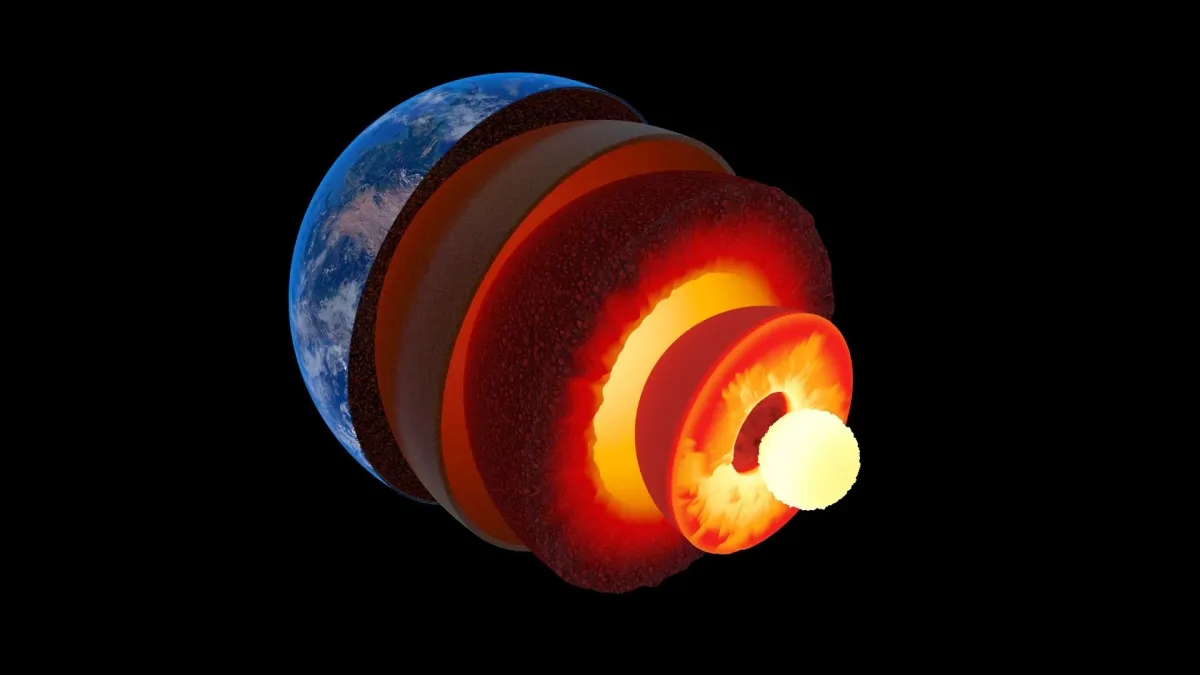
Earth's Unseen Depths and Details Are Coming to Light
This means that the more we understand the intricate workings of our own planet, the better equipped we are to harness its power and protect its delicate balance.
The Human Element: Where Art Meets Science
Amidst all this mapping and launching, a few stories reminded us of the uniquely human touch in innovation and discovery. Take Dr. K. Radhakrishnan, who led India's Mars Mission and then went home to practice Kathakali, a classical Indian dance. It's a delightful reminder that brilliance often comes in unexpected, multifaceted packages. And then there's the programming language, Julia, born from frustration at MIT that now designs rockets. It's a testament to how human irritation, when channeled productively, can lead to world-changing tools. Finally, Australia drew a line in the sand, deciding that an AI Madonna hitting the charts wasn't quite real music, asserting the value of human artistry in a rapidly automating world. 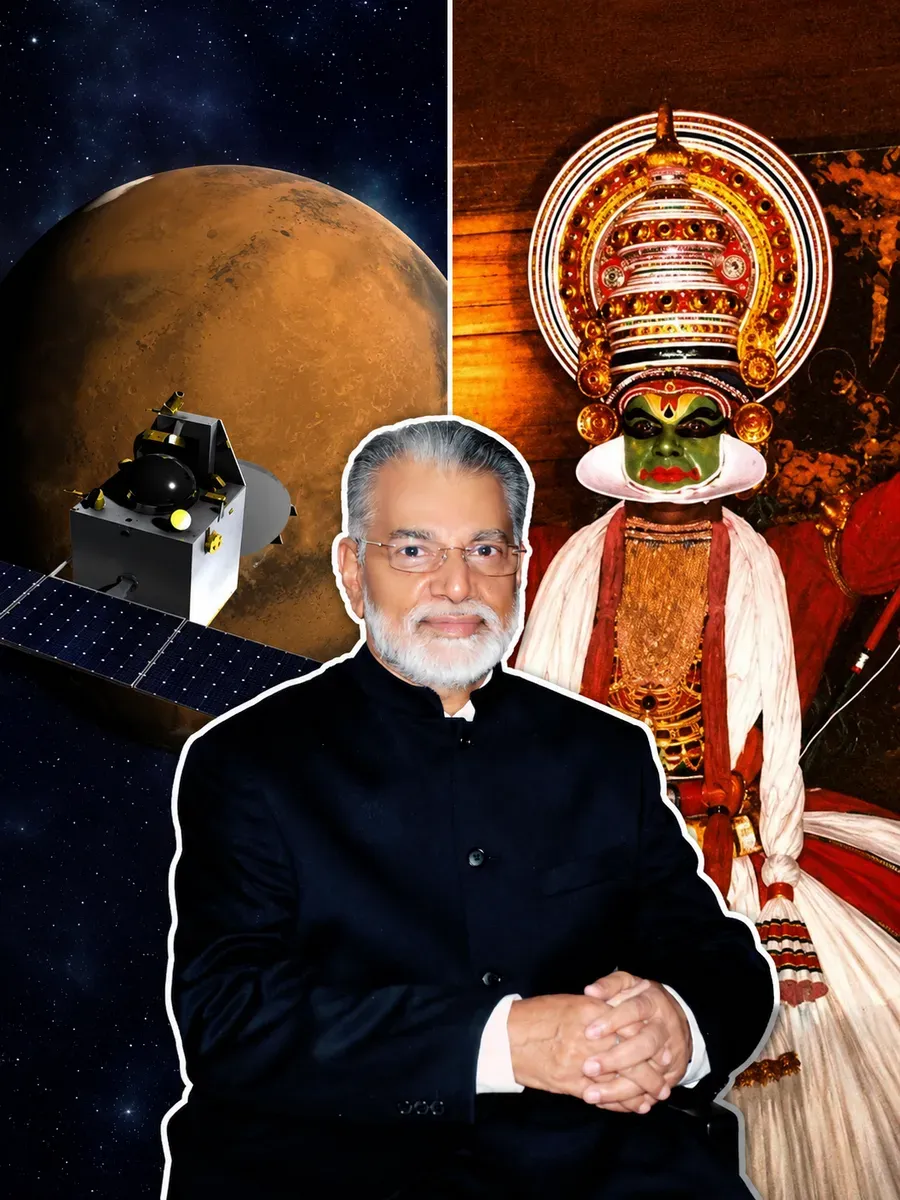
This means that while our tools and technologies advance, the spark of human creativity, frustration, and passion remains the true engine of progress.
Hope stat: 1,000 — times faster the Roman Space Telescope can survey the cosmos compared to Hubble. Watch this space: The continued debate around AI's role in creative industries, especially as more countries weigh in on what 'art' truly means.