For a long time, paleontologists thought a certain 324-million-year-old fossil was just a baby crustacean, probably having a bad day. They filed it away, probably with a shrug. Turns out, they were gloriously, spectacularly wrong.
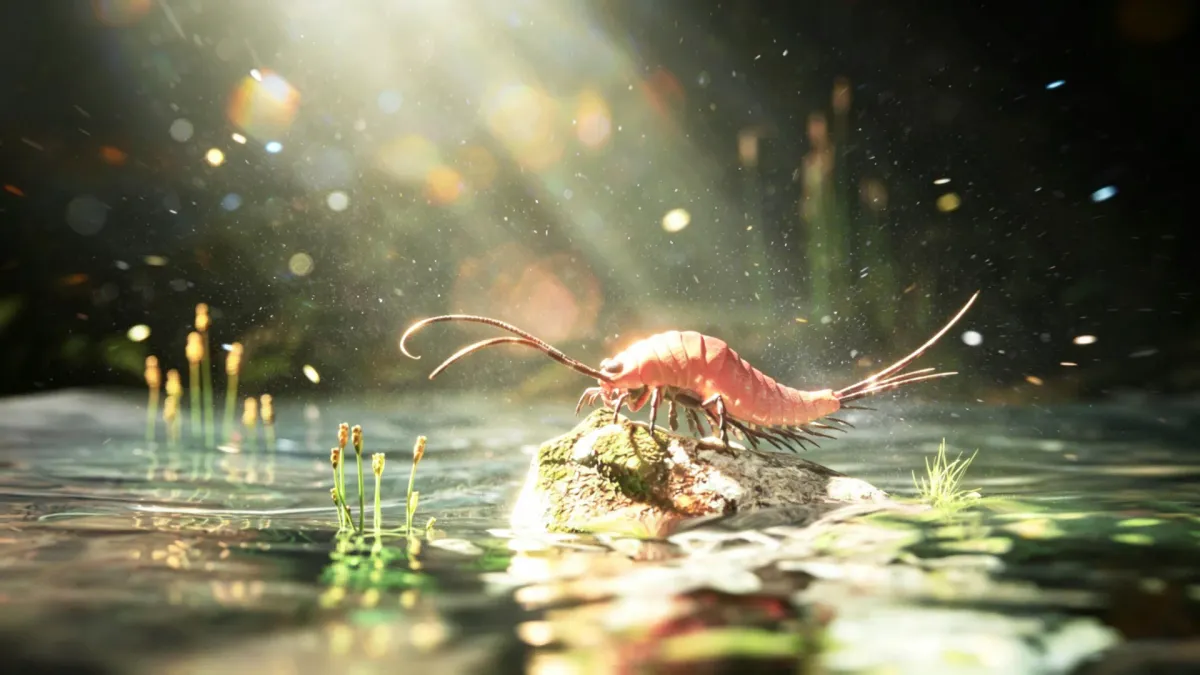
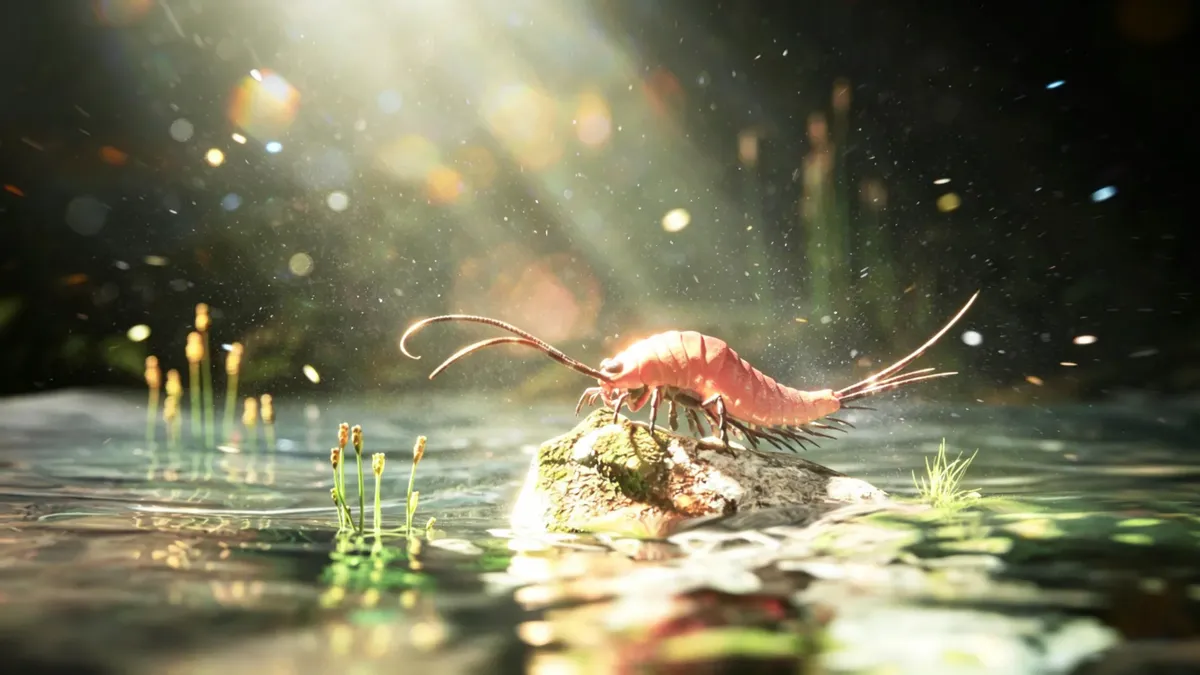
This fossil, discovered in western Texas, wasn't some tiny shrimp. It was a brand-new, 24-legged stem insect named Chosha praecursor, and it's here to tell us that insects didn't just poof onto land. They took their sweet, amphibious time.
The Un-Crustacean
An international team, including brainiacs from the Nanjing Institute of Geology and Paleontology and the University of Cambridge, used some fancy imaging to peer through the dark rock. What they saw wasn't a baby crab but a creature straight out of a sci-fi movie: two inches long, with classic insect features like walking legs and an ovipositor (for egg-laying, because even ancient insects had priorities), but also… 18 extra abdominal appendages.
We're a new kind of news feed.
Regular news is designed to drain you. We're a non-profit built to restore you. Every story we publish is scored for impact, progress, and hope.
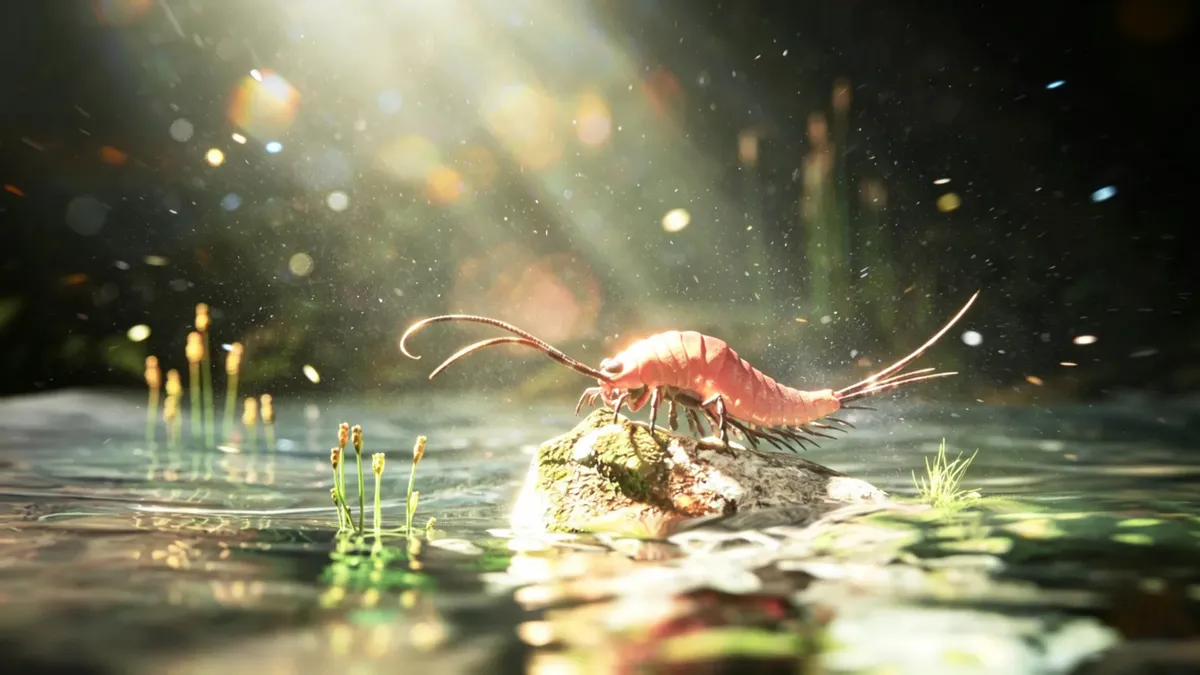
Start Your News DetoxYes, 24 limbs in total. The rear ones? Broad, paddle-like oars. Because apparently, conquering land meant taking a dip first. No living insect has anything remotely similar, which, if you think about it, is both impressive and slightly terrifying.
This bizarre body plan confirms that C. praecursor was living its best semi-aquatic life, paddling through ancient coastal deltas and crawling along humid shorelines. Probably munching on decaying plants and fungal spores, as one does when bridging evolutionary gaps.
Filling the Gap with Paddles
Before this discovery, there was a rather inconvenient 80-million-year gap in the fossil record. Genetics hinted that insects came from marine ancestors, but fully land-adapted fossils showed up much later. Chosha praecursor (along with a couple of other finds) waltzes in, paddles and all, and says, "Here I am! Your missing link!"
This pushes back the timeline for early insect diversification significantly, moving it from the Late Carboniferous to the Early Devonian. It helps align the fossil evidence with genetic estimates, giving us a clearer picture of this awkward, in-between evolutionary phase. Over millions of years, those extra abdominal oars eventually simplified, got repurposed, and then disappeared, leaving us with the sleek, six-legged insects we know today. Which, honestly, sounds like a lot less laundry.