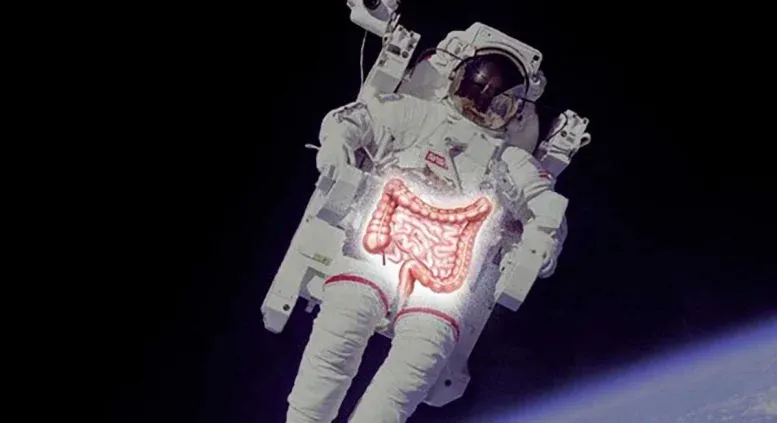
For decades, astronauts have had a secret, slightly awkward problem: space makes them constipated. It's not exactly the stuff of heroic space opera, but it's a real issue when you're hurtling through the cosmos. For years, scientists scratched their heads. Now, a new study from the University of Copenhagen and NASA has finally delivered an explanation, and it’s surprisingly… gut-level.
They took blood samples from 52 astronauts who spent months aboard the International Space Station, because apparently, that’s where we are now: meticulously tracking cosmic bowel movements. What they found was a swift, dramatic shift in the astronauts' digestive systems, kicking in just weeks after leaving Earth's gravity.
Turns out, the gut bacteria of these space travelers started fermenting protein like it was going out of style. This isn't just a quirky space thing; it happens when there isn't enough dietary fiber to keep things moving. Basically, the bacteria get bored and start breaking down protein instead.
We're a new kind of news feed.
Regular news is designed to drain you. We're a non-profit built to restore you. Every story we publish is scored for impact, progress, and hope.
Start Your News DetoxThe leading suspect for this cosmic clog? Lack of gravity. Without Earth's helpful pull, food simply meanders through the intestines at a leisurely pace, giving those protein-hungry bacteria all the time in the world to ferment away. Which, if you think about it, is both impressive and slightly terrifying.
Beyond the Bowel
These gut changes might be more than just an inconvenience. The byproducts of protein fermentation have been linked to some less-than-stellar health outcomes on Earth, including kidney damage, mood swings, and even trouble focusing. So, a backed-up astronaut might not just be uncomfortable; they might be a little foggy-brained to boot.
This discovery is huge for future space missions. As we eye longer trips to the Moon and Mars, understanding how to keep astronauts' guts happy and healthy becomes critical. The proposed solutions are refreshingly terrestrial: more dietary fiber, prebiotics, or even treatments to speed up gut transit. Because nobody wants to be stuck on Mars with a serious case of space constipation.
And here’s the kicker: these findings might even help us Earthlings. Bedridden patients often face similar issues, and this research could shed light on how to keep their digestive systems — and overall health — on track. So, next time you're enjoying a smooth, gravity-assisted trip to the bathroom, spare a thought for the intrepid astronauts. Their sacrifice for science is truly profound.