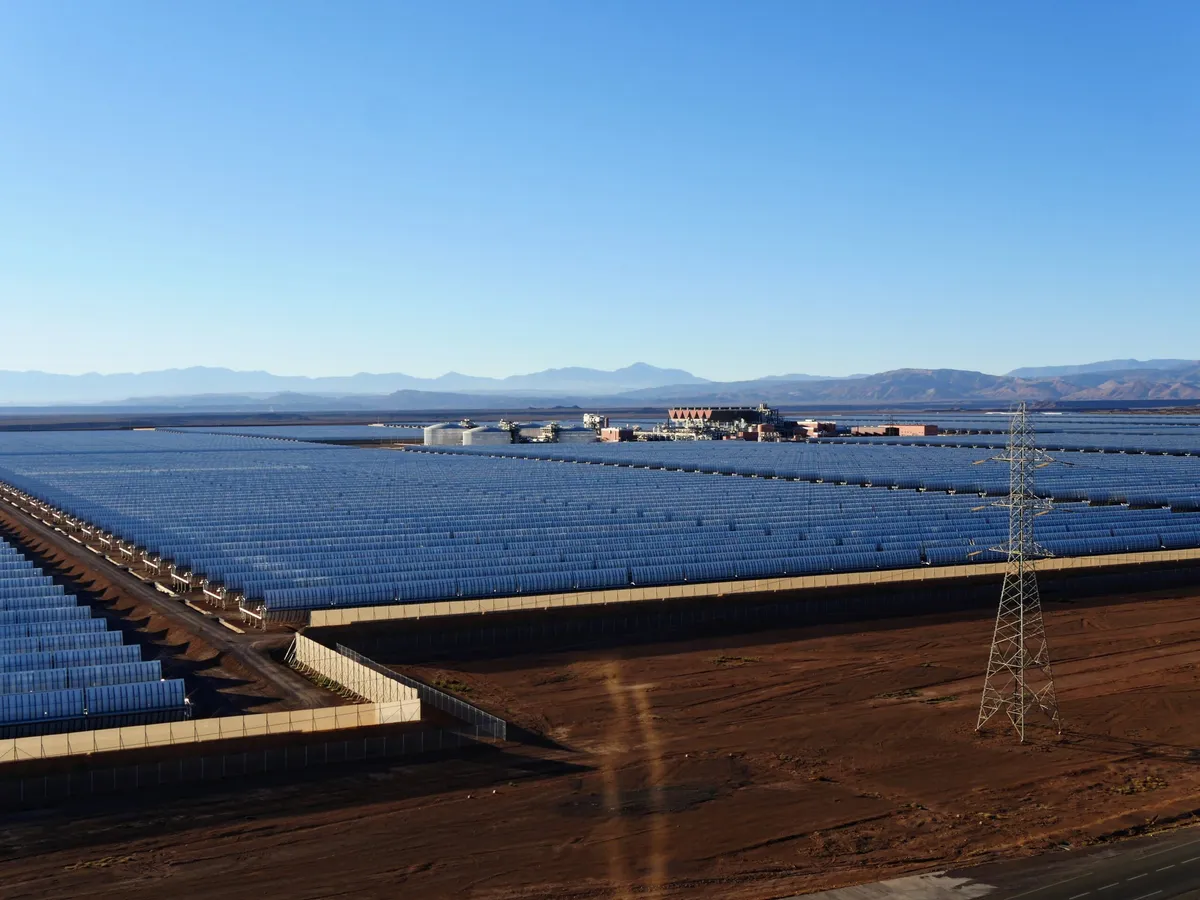
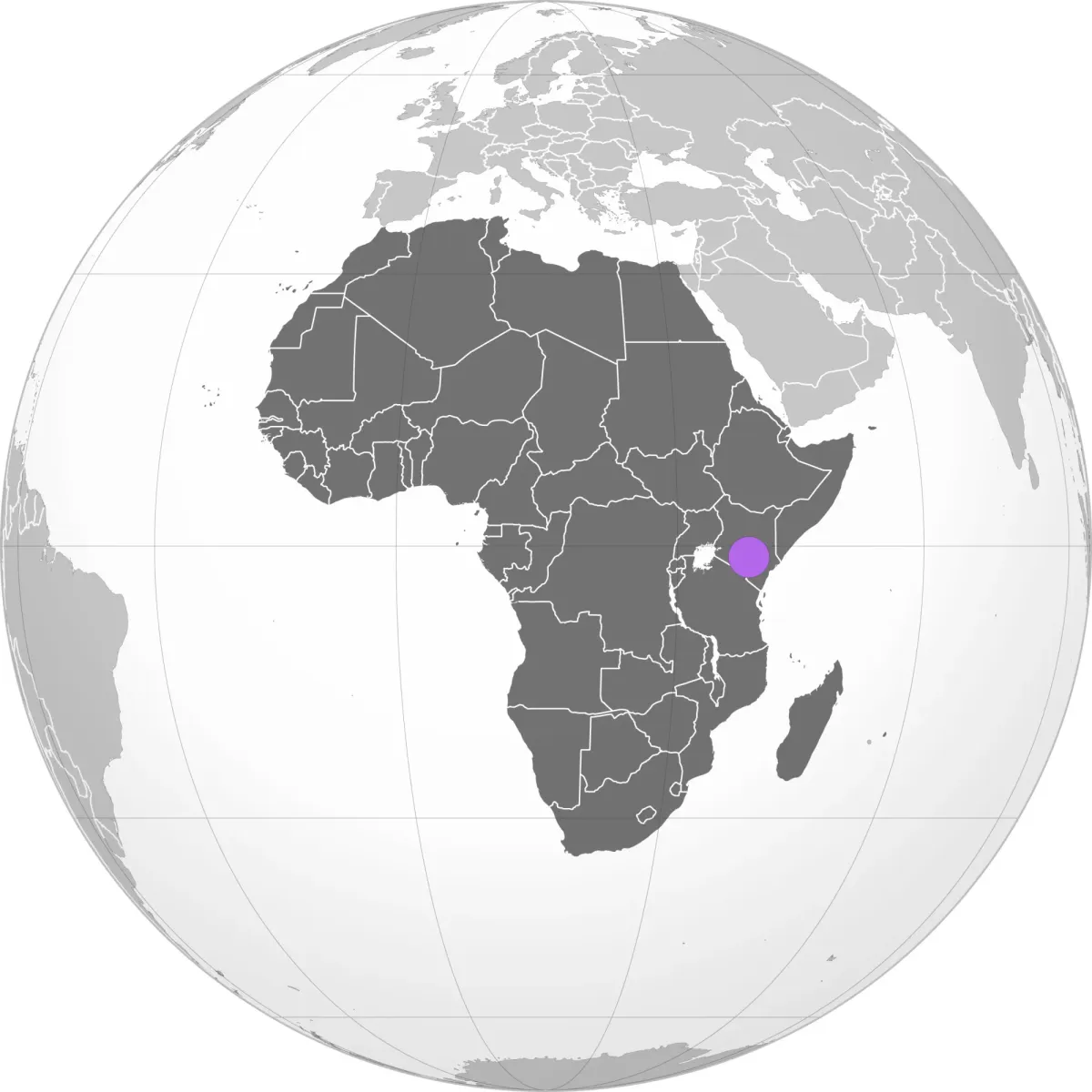
Kenya's electricity grid is already a clean energy overachiever, mostly powered by renewables. Very admirable. And yet, roughly a quarter of its communities are still waiting for the lights to come on. Which, if you think about it, is a bit of a buzzkill for their ambitious goal of universal electricity by 2030.
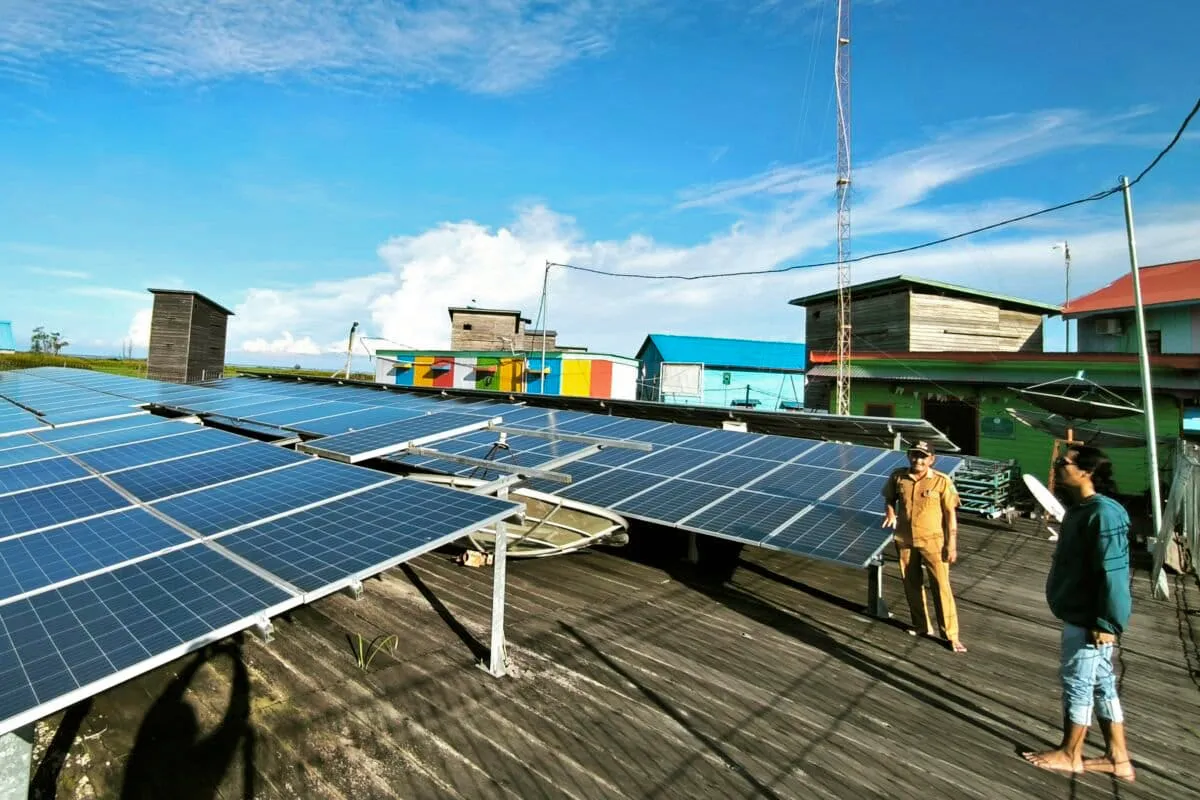
The solution? Off-grid solar. Because apparently, we've finally reached the point where solar tech isn't just eco-friendly, it's actually cheap. We're talking cents per watt now, down from three whole dollars just a few years ago. Let that satisfying number sink in.
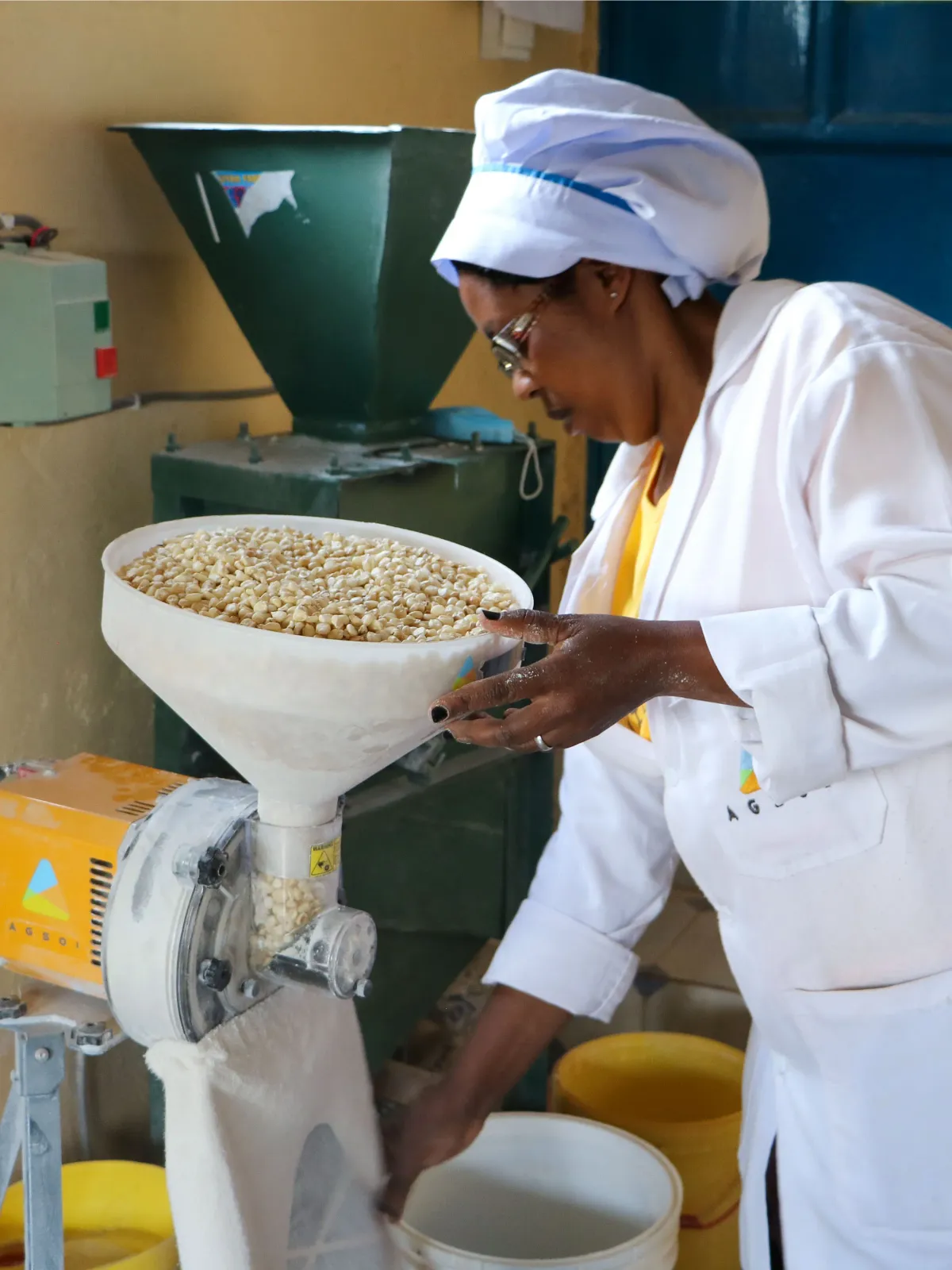
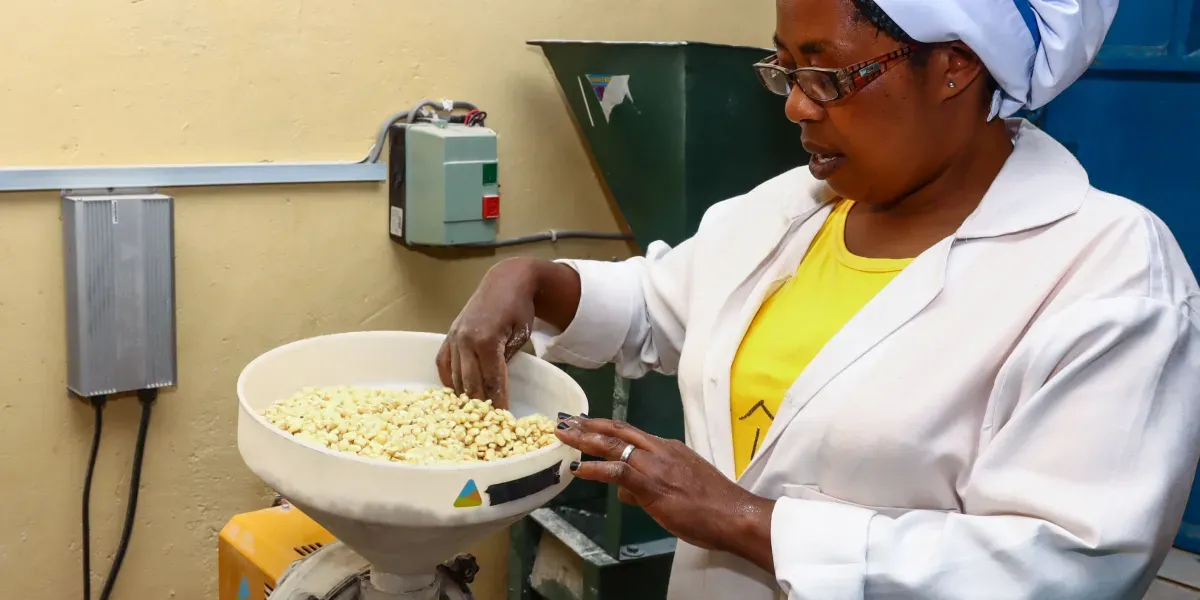
Enter Nairobi's small shop owners, many of whom rely on grain mills to keep their businesses humming. Traditionally, these mills have a rather expensive diesel habit. But then there's Wanjiru, a shop owner who's gone rogue with a mill that runs on sunshine (or grid electricity, if she's feeling traditional).
We're a new kind of news feed.
Regular news is designed to drain you. We're a non-profit built to restore you. Every story we publish is scored for impact, progress, and hope.
Start Your News DetoxThe Mill That Pays for Itself (and Then Some)
Wanjiru's secret weapon is designed by Matt Carr, CEO of Agsol. When he checked in for feedback, Wanjiru confessed the mill could be a tad slow and occasionally jammed. Carr's explanation? It's just being extra thorough with damp grain, trying to squeeze out every last bit of flour. Which, frankly, is a relatable kind of problem.
Despite the minor quirks, Wanjiru is thrilled. She's been using her solar mill since December 2025, and it's making her business significantly more affordable. While diesel-guzzling shops fork over 40% of their earnings for fuel, Agsol's solar mill can boost profitability by up to 80% once the initial $1,300 cost is covered. That usually takes a mere six to twelve months. Plus, it handles small batches, which means new customers and more peanut-scooping opportunities.
Carr launched Agsol in Kenya in 2018, backed by over $4 million, much of it from a UK government clean energy program. Last year, they sold 530 units, with orders pouring in from as far as Mozambique and Angola. As Wanjiru scoops peanuts for a customer, her quiet, solar-powered mill stands ready, a testament to how a little ingenuity (and a lot of sun) can brighten a business's bottom line.