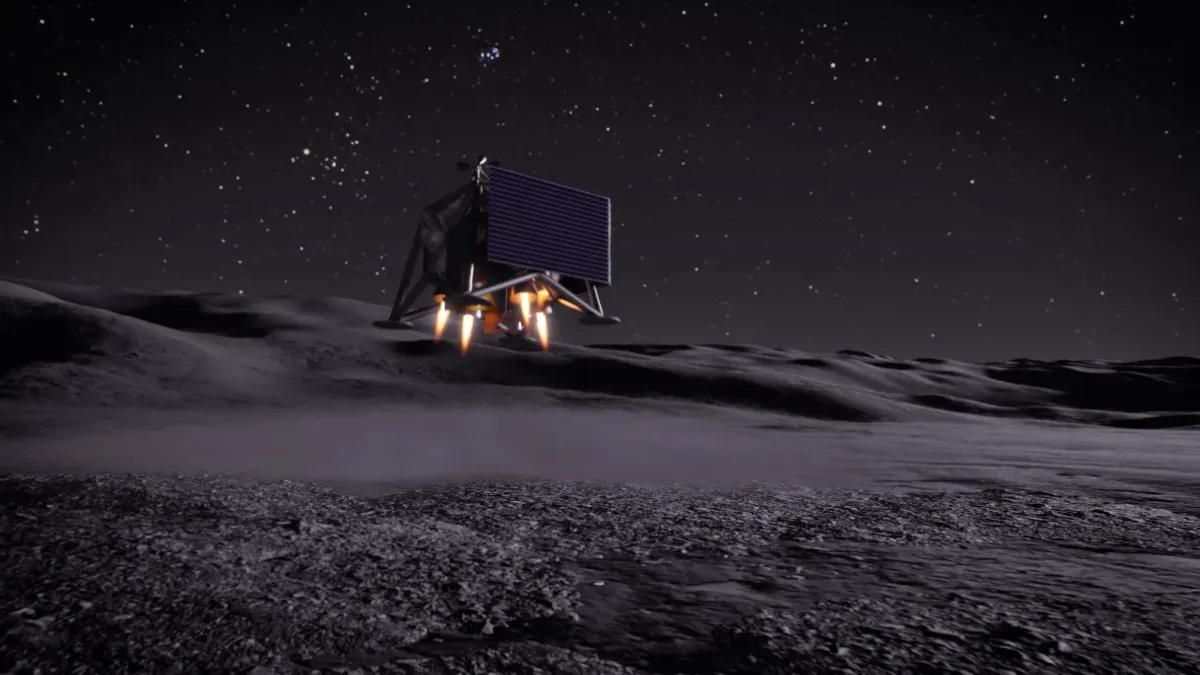
NASA is sending four drones to the Moon's South Pole, which sounds like the opening scene of a sci-fi movie, but is actually just the next logical step in our quest for a permanent lunar address. The mission, aptly named MoonFall, aims to scout prime locations for future Artemis astronauts. Because apparently, even the Moon needs a good realtor now.
The Jet Propulsion Laboratory (JPL) is busy developing these lunar land-scouts, with prototypes already undergoing testing. The plan is to launch them in 2028. Each drone will touch down, snap high-resolution pictures of the surface, and operate for one lunar day—which, for those of us keeping track, is a leisurely 14 Earth days. After their initial photo ops, a special "survive-the-night" payload will kick in, designed to endure the Moon's truly brutal cold, which can plunge to a casual -208 degrees Fahrenheit. It's like a tiny, extremely resilient lunar selfie stick.
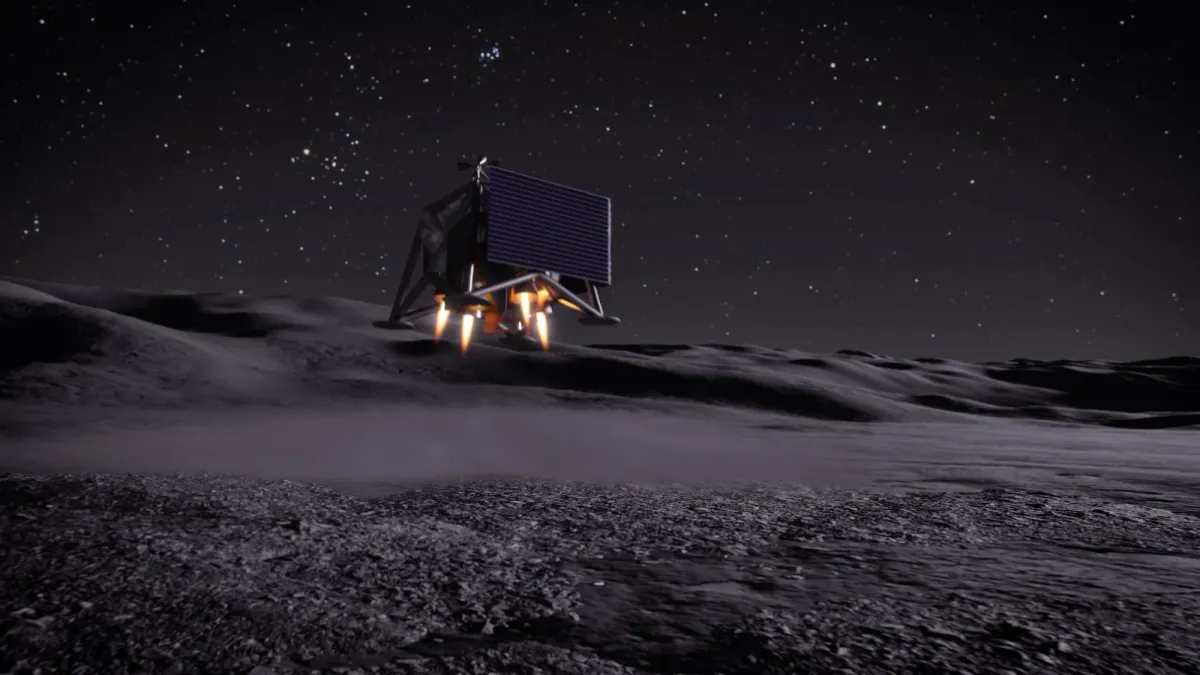
These four-foot-tall, seven-foot-wide drones weigh in at a substantial 550 pounds each. They'll be equipped with a "Lunar Dashcam" system to map the terrain, a laser retroflector array for pinpoint location tracking (because you don't want to lose your keys on the Moon), and spectrometers to sniff out subsurface water and measure radiation. Basically, they're the ultimate lunar reconnaissance crew, minus the tiny astronaut helmets.
We're a new kind of news feed.
Regular news is designed to drain you. We're a non-profit built to restore you. Every story we publish is scored for impact, progress, and hope.
Start Your News DetoxGetting this quartet of tech to the Moon falls to Texas-based Firefly Aerospace. Their Elytra spacecraft will embark on a 45-day journey from Earth, eventually releasing the drones about 31 miles above the lunar South Pole. Firefly isn't new to this rodeo; their Blue Ghost lander made history in March 2025 as the first commercially built lander to reach the Moon, delivering 10 NASA instruments and even capturing images of a solar eclipse. Which, if you think about it, is both impressive and slightly terrifying.
Of course, not everyone is thrilled about humanity's increasingly aggressive lunar ambitions. Some scientists worry about the impact of resource extraction on future research. And many Indigenous nations view the Moon as sacred, opposing any potential damage. It's a valid point: nobody wants to show up for a sacred ceremony only to find a lunar mining operation in full swing.

NASA and 66 other nations have signed the Artemis Accords, an agreement designed to lay down some basic ground rules for space exploration. Think of it as the intergalactic HOA. This framework aims to guide the exploration and development of the Moon this century. However, it's not a solo act. NASA's Artemis group finds itself in a quiet competition with a Chinese initiative, which also has its sights set on the lunar South Pole and, you guessed it, its resources. Because apparently, even in space, real estate is all about location, location, location.