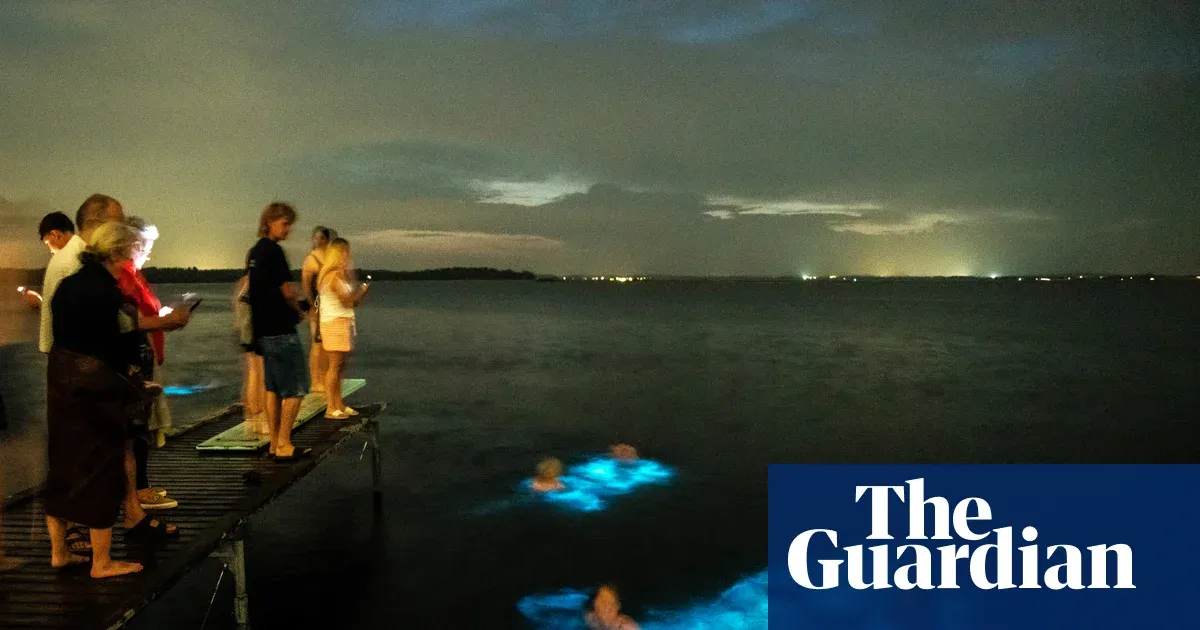
Deep in the ocean, a secret disco is happening. Up to 90% of deep-sea creatures glow, thanks to a little biological magic called bioluminescence. But it’s not just anglerfish and jellyfish getting in on the light show. Certain algae, like Pyrocystis lunula, occasionally make ocean waves shimmer with an otherworldly blue. The only catch? These natural light flashes usually last a blink-and-you-miss-it few milliseconds.
Now, imagine if those flashes could last long enough to light a room. That's precisely what a team of scientists at the University of Colorado Boulder, led by civil engineer Wil Srubar, set out to do. Their 'moonshot idea' was simple: ditch the electricity and let biology do the heavy lifting for future illumination. Because apparently that’s where we are now.
The Secret Sauce for Sustained Shine
Srubar and his team focused on P. lunula, the same algae responsible for those ephemeral ocean glows. They tinkered with different chemical compounds, specifically acidic and basic solutions. Think tomato juice (pH 4) versus hand soap (pH 10) — not exactly your typical light-switch ingredients.
We're a new kind of news feed.
Regular news is designed to drain you. We're a non-profit built to restore you. Every story we publish is scored for impact, progress, and hope.
Start Your News DetoxWhat they found, published in Science Advances, is both impressive and slightly terrifying. When exposed to the acidic compound, the algae didn't just flash; they shined brightly for a full 25 minutes. That’s enough time to find your keys, read a short story, or just marvel at the fact that you're being illuminated by sea snot. The basic compound also worked, but produced a shorter, more spread-out glow.
Engineer Giulia Brachi, a co-author, described the discovery as thrilling. For the first time, they'd cracked the code to making natural luminescence last. Which, if you think about it, is a pretty big deal for anything that currently relies on a power grid.

Lighting Up the Future, Sustainably
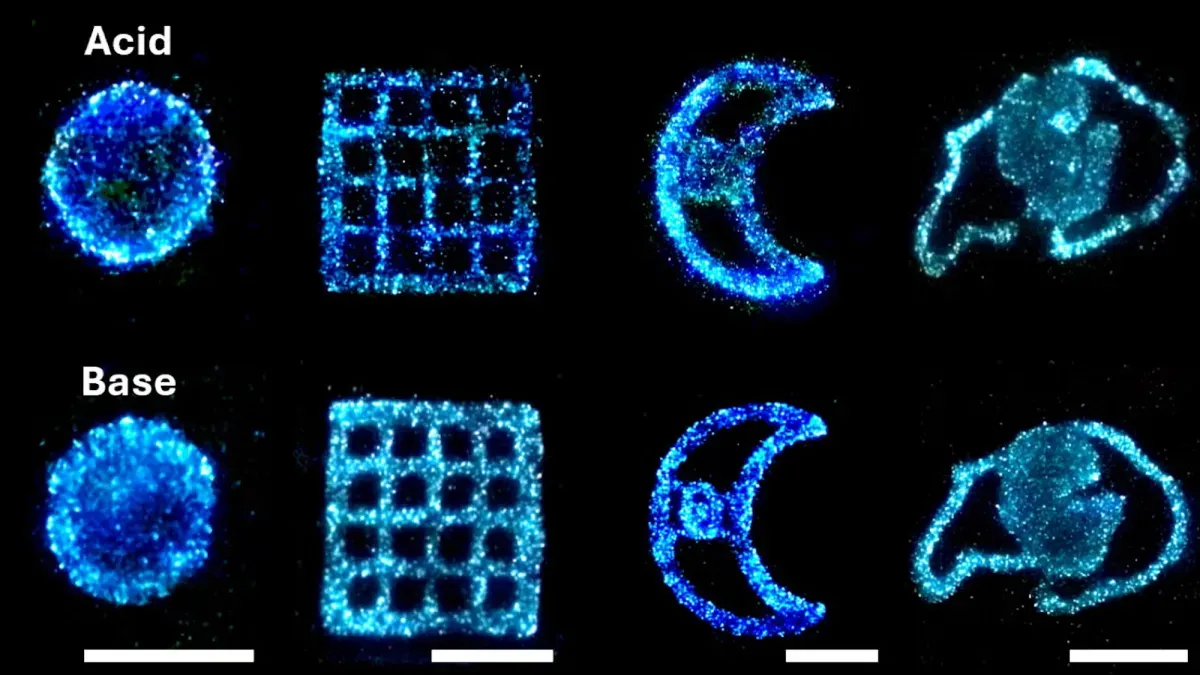
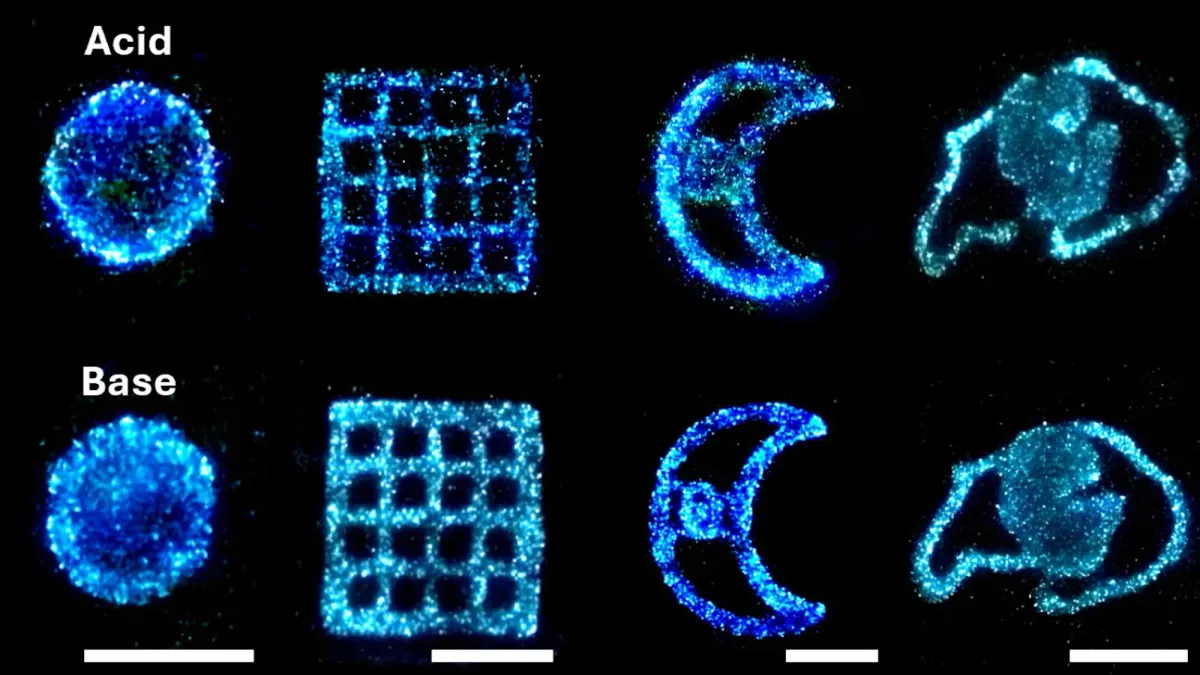
But they didn't stop there. The team then embedded these glowing algae into 3D-printed hydrogel objects. Since neither the acid nor the base kills P. lunula, these living lamps glowed for weeks. After four weeks, the acid-treated algae were still rocking 75% of their original brightness. Take that, incandescent bulbs.
The potential uses are straight out of a sci-fi novel. Autonomous robots and space equipment could use these battery-free algae for light. If the algae react to other chemicals, they could even become tiny, glowing water quality sensors. And the cherry on top? These photosynthetic algae absorb carbon, unlike traditional lighting methods that produce it. So you're not just getting light; you're getting a tiny, carbon-sucking roommate.
Srubar envisions this opening the door for all sorts of other living light materials and devices. Because who needs a light switch when you have a tiny, glowing organism doing the work for you?