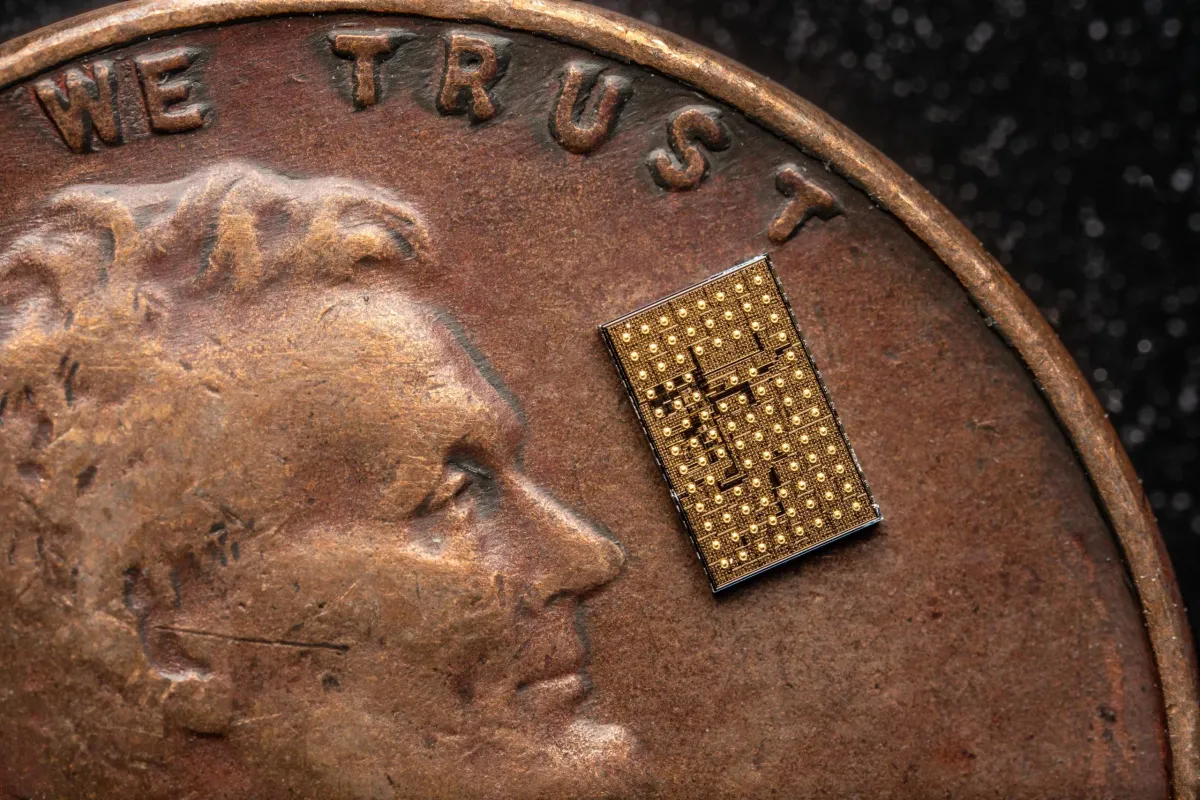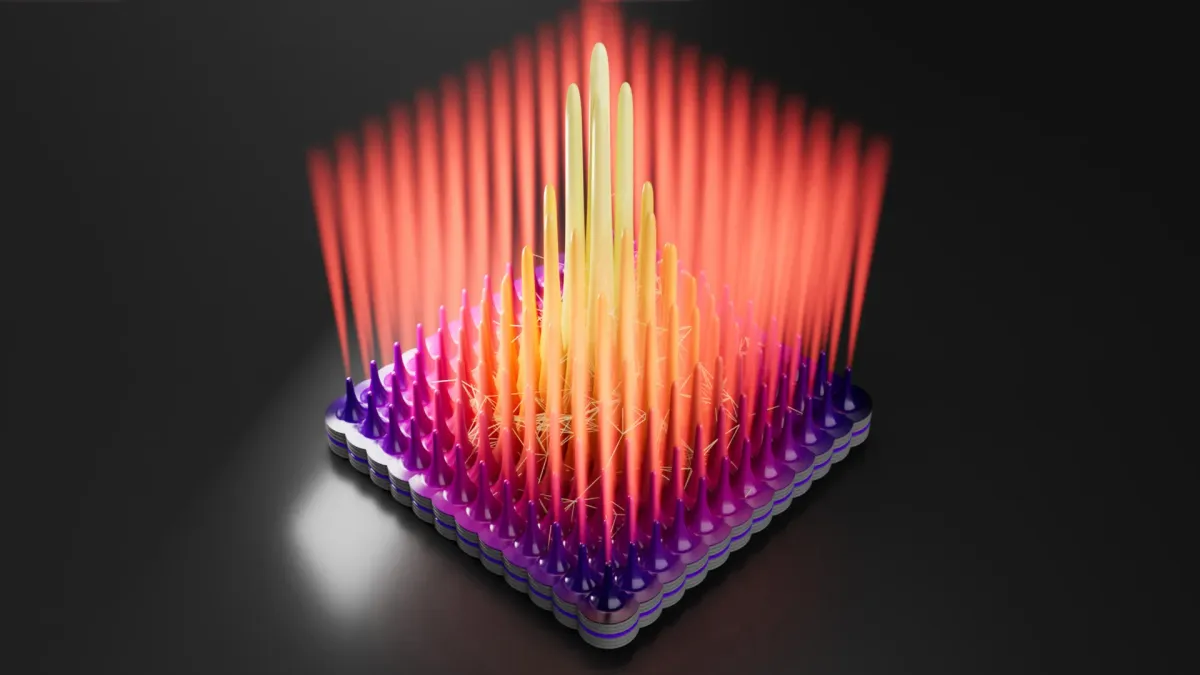
Stanford researchers have found that using five different metals together creates a better nanocrystal than using just one. Working with the Korea Advanced Institute of Science and Technology (KAIST), they made a uniform nanocrystal from ruthenium, iron, cobalt, nickel, and copper.
This new nanomaterial could help make hydrogen energy more efficient. It could improve how hydrogen is produced and used.
How the Crystal Forms
Nanocrystals are great catalysts. They speed up chemical reactions in many things, from car exhaust systems to medical tests. They also power modern electronics like smartphones and computers.
We're a new kind of news feed.
Regular news is designed to drain you. We're a non-profit built to restore you. Every story we publish is scored for impact, progress, and hope.
Start Your News DetoxProfessor Matteo Cargnello's team, with KAIST and BASF, synthesized nanocrystals with five different metals. They found something surprising: mixing more metals actually made the particles more consistent and stable, not more chaotic.
They started with ruthenium, a valuable metal. Then they tried to mix it with four cheaper metals: iron, cobalt, nickel, and copper. They expected a messy mix because each metal reacts differently. But the opposite happened.
While two or three-metal mixes were unstable, the five-metal combination organized itself. It formed a single, uniform nanocrystal. This streamlined 31 possible chemical outcomes into one precise product.
Cargnello said, "The surprising discovery is that when you start adding more elements, all the way up to five, it’s the opposite of what we expected. All five elements together in a single nanocrystal ended up looking like a single product.”
Copper's Role in Order
Copper was key to this organization. Researchers used time-lapse analysis to see how it worked.
Copper, the most reactive metal, doesn't mix with ruthenium. Like oil and water, they stay separate but connected. This creates a structure that guides the other metals into place.
Cobalt and nickel join next. Then iron wraps around the whole structure, forming a protective outer layer. This creates an "onion-like" arrangement. Ruthenium is at the core, copper is next to it, cobalt and nickel form middle layers, and iron is on the outside.
Using Nanocrystals for Hydrogen
These five-metal nanocrystals are good at speeding up ammonia decomposition. This process is important for hydrogen energy. Hydrogen is hard to transport as a gas. So, it's often turned into liquid ammonia for shipping. Then, it's converted back into fuel at its destination.
This chemical reversal usually needs very high temperatures. But these new catalysts can drive the reaction under tough industrial conditions.
In tests, the five-metal nanocrystal catalyst worked four times faster than standard ruthenium. It also stayed stable even after 12 hours at 900°C. Standard catalysts often break down or clump together at high temperatures.
BASF is now testing these crystals in industrial settings. If they work well, this complex five-metal mix could be a clean energy solution.
Deep Dive & References
The self-organization of five-metal nanocrystals for ammonia decomposition - Science, 2024