Imagine building a mini-sun right here on Earth, then plugging it into the grid. That's the audacious goal of Proxima Fusion, a European company that just raked in a mind-boggling €411 million ($468 million) in new funding. This cash injection catapults them to a €2.4 billion valuation, making them Europe's most generously funded fusion company. Because, apparently, making stars on command is a popular idea.
The plan? To build something called an "Alpha" stellarator. Think of it as a highly sophisticated, magnetic pretzel designed to generate more energy than it consumes. Which, if you're keeping score on our planet's energy needs, is a pretty big deal.
The Magnetic Pretzel That Might Power Our Future
Proxima Fusion didn't just stumble into this. They're a spin-off from Germany's prestigious Max Planck Institute, building on decades of research. Their secret sauce is a Quasi-Isodynamic High-Temperature Superconducting (QI-HTS) stellarator. It's a mouthful, but essentially, it's a super-stable magnetic cage designed to hold plasma hotter than the sun's core in a steady state. Unlike some other fusion designs that can get a bit… temperamental… stellarators are built for the long haul.
We're a new kind of news feed.
Regular news is designed to drain you. We're a non-profit built to restore you. Every story we publish is scored for impact, progress, and hope.
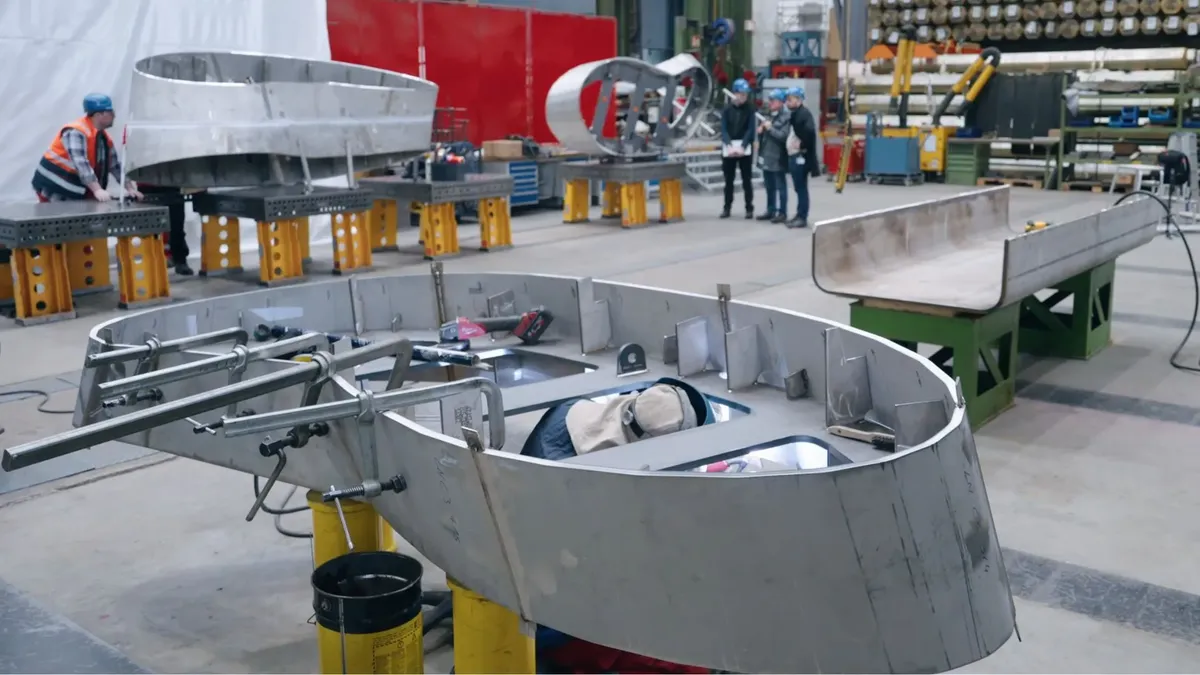
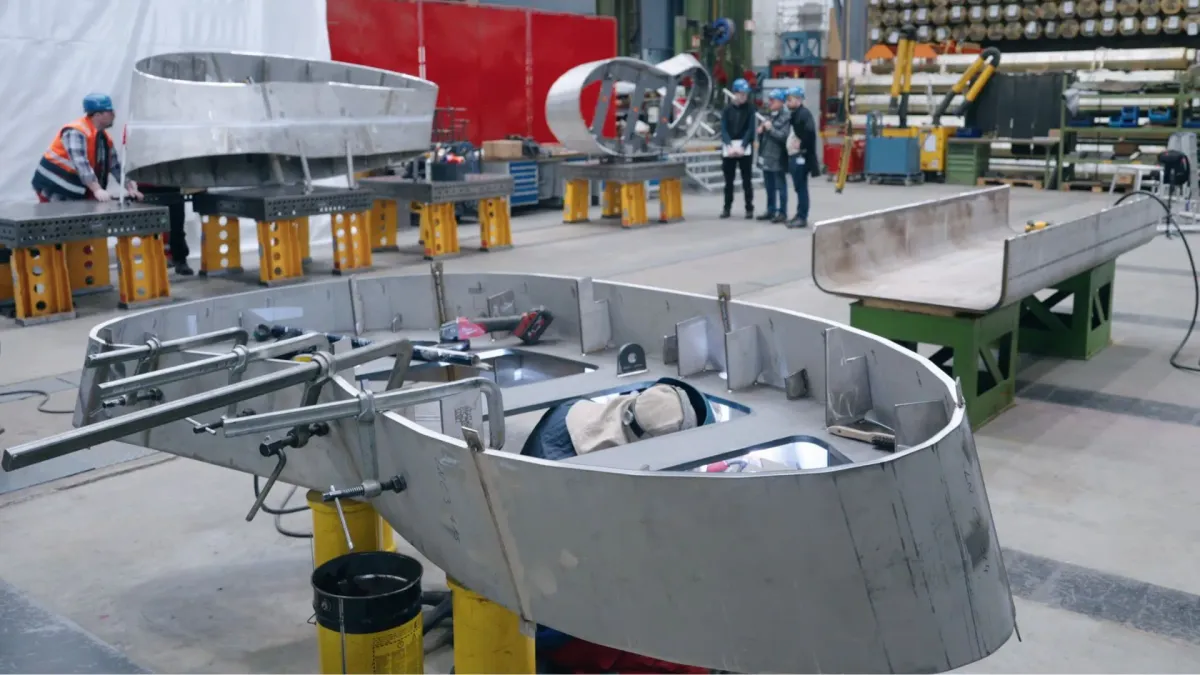
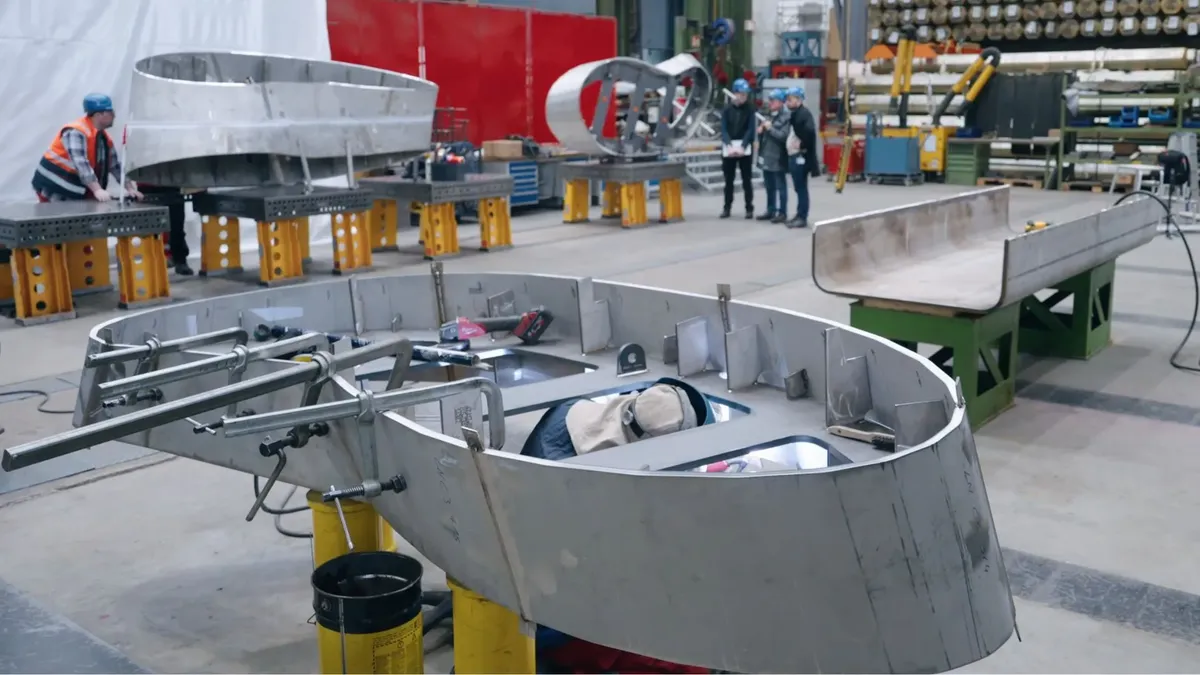
Start Your News DetoxThis fresh funding is the bridge from complex computer models to actual, tangible hardware. They're going from digital blueprints to bending metal, starting with a crucial component: the Stellarator Model Coil. It's the first physical piece of a magnet system that will eventually wrangle a miniature star.
The Alpha demonstrator itself will be constructed near Munich, a joint venture with Bavaria, the Max Planck Institute, and energy giant RWE. Its mission is to prove that the QI magnetic setup can indeed keep things stable under high-performance conditions. Proxima aims to have Alpha up and running by the early 2030s, with the ambitious goal of being the first stellarator to achieve "net energy gain" – meaning the plasma reactions generate more energy than the machine uses to sustain them.
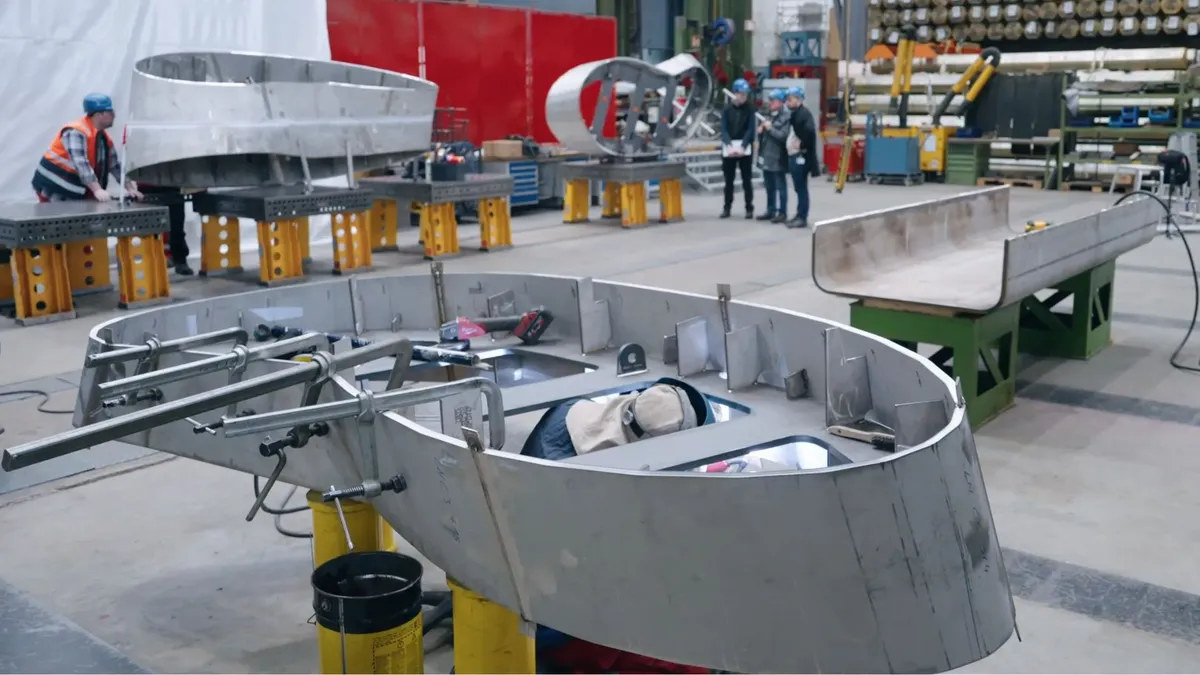
If Alpha pulls it off, the data will feed into the design of "Stellaris," Proxima's commercial power plant, slated to hit the grid later in the 2030s. They've already got a site picked out with RWE: a former nuclear fission plant in Gundremmingen, Bavaria. Reusing existing power lines? That's just good, practical planning when you're trying to integrate a star into the local grid.
Big Backers, Big Ambitions
The funding round was led by XTX Ventures and East X Ventures, but the real eyebrow-raiser for many was the inclusion of Google. Yes, that Google. Their investment highlights the growing corporate interest in finding reliable, carbon-free energy sources – particularly for their energy-hungry data centers. It seems even tech giants are realizing that endless cat videos require serious wattage.
The investment round actually blew past its initial goal, matching Bavaria's €400 million public funding. All told, Proxima has now raised over €650 million ($740 million) in just three years. As Co-Founder and CEO Dr. Francesco Sciortino put it, this isn't just about science; it's about proving Europe can turn groundbreaking research into successful industrial powerhouses. So, if you suddenly find yourself with unlimited, clean energy in a decade or so, you might just have a magnetic pretzel to thank.