Neanderthals in Europe experienced major population changes before they disappeared about 40,000 years ago. A new study shows they faced a severe genetic bottleneck. This led to a retreat into one area, followed by an expansion of that surviving group.
Researchers from the Senckenberg Nature Research Society and the University of Tübingen combined new DNA evidence with archaeological records. They found that earlier, widespread Neanderthal populations in Europe mostly vanished.
A Genetic Bottleneck and Expansion
The study suggests that a localized group of Neanderthals survived harsh conditions about 75,000 years ago. They found refuge in what is now southwestern France. Around 65,000 years ago, descendants from this group spread across Europe. This means almost all Late Neanderthals studied so far share the same maternal genetic lineage.
We're a new kind of news feed.
Regular news is designed to drain you. We're a non-profit built to restore you. Every story we publish is scored for impact, progress, and hope.
Start Your News DetoxProfessor Cosimo Posth, who led the research, noted that Neanderthals lived in Europe continuously for a long time. However, details about their population history were fragmented. The team focused on Late Neanderthals, those living between 60,000 and 40,000 years ago.
The researchers also found another sharp decline around 45,000 years ago. Neanderthal numbers dropped quickly, reaching a low point about 42,000 years ago. This was shortly before the species disappeared. These findings were published in PNAS.
Tracing the Genetic Trail
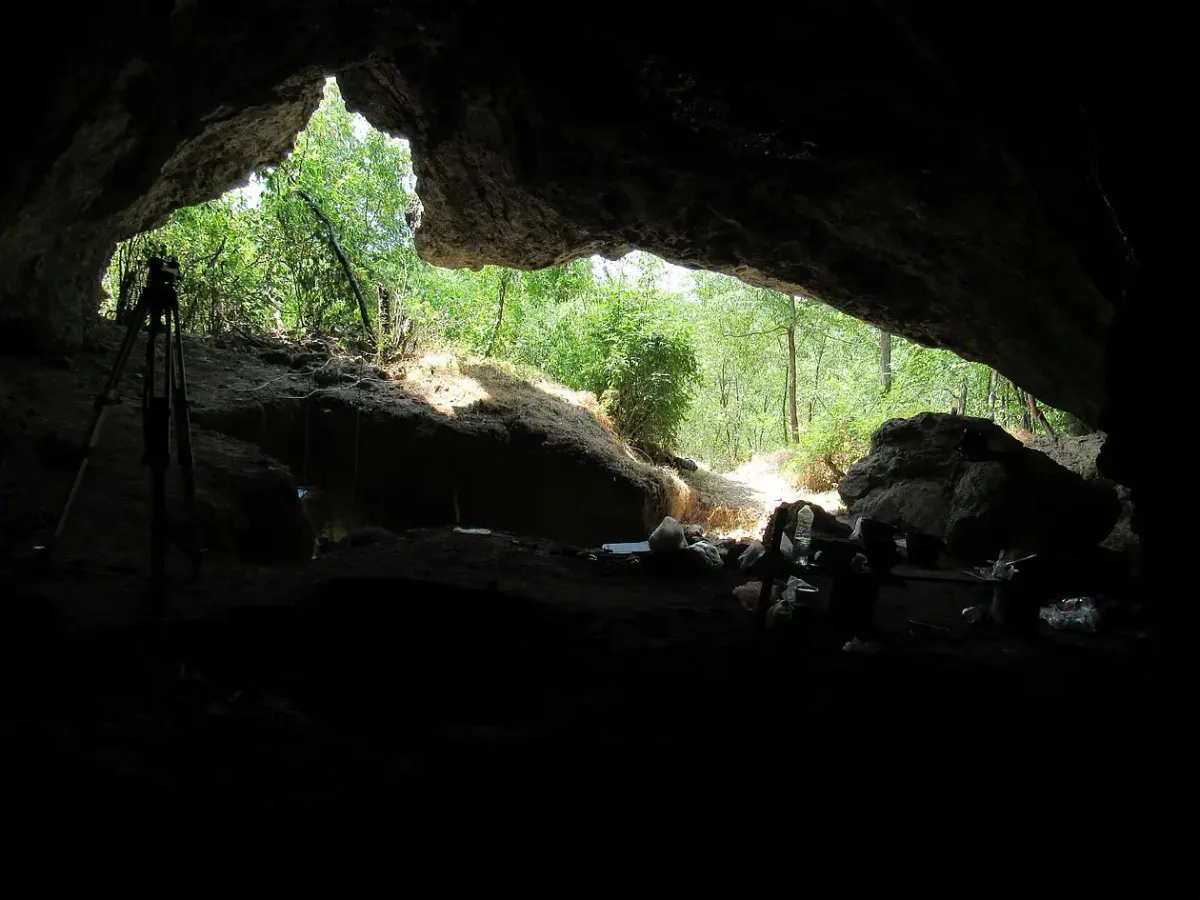
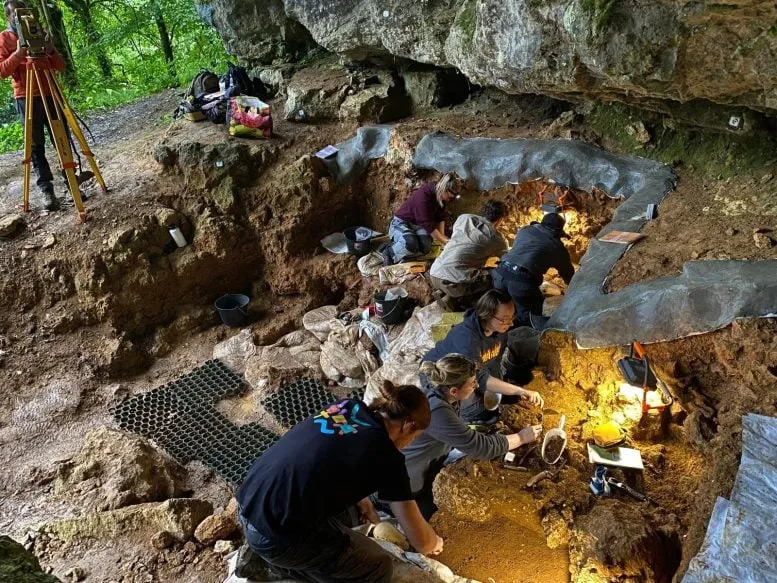
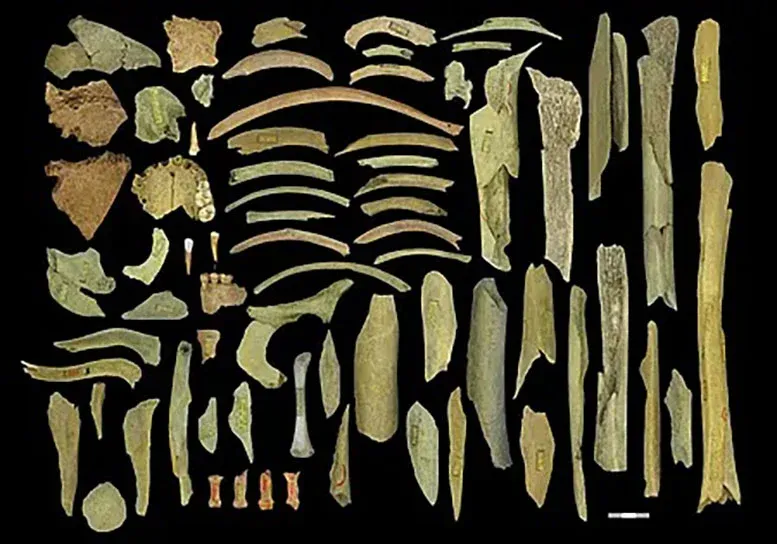
To understand this history, researchers studied mitochondrial DNA from Neanderthal teeth and bones. These were found in caves and rock shelters. Mitochondrial DNA is easier to obtain and survives longer than the full genome.
Charoula Fotiadou, the study's first author, and her team sequenced mitochondrial DNA from 10 new Neanderthal individuals. These came from six sites in Belgium, France, Germany, and Serbia. They compared this data with 49 previously published samples.

This genetic evidence was combined with archaeological information from ROAD. ROAD is a database that tracks Neanderthal presence across Europe. This allowed researchers to reconstruct the demographic history of Neanderthals over time and space.
A Homogeneous Group
The combined evidence shows a major disruption around 75,000 years ago. Ice Age conditions severely impacted European Neanderthals. Archaeological sites became fewer and concentrated in southwestern Europe. Genetic diversity also decreased.
Posth explained that Neanderthals retreated to what is now southwestern France. A new population emerged there around 65,000 years ago and then spread across Europe. This explains why most Late Neanderthals share the same mitochondrial DNA lineage. This pattern suggests a significant genetic turnover, with later groups mostly coming from one surviving lineage.
The researchers also found that mitochondrial DNA diversity did not match a stable population size. Instead, the data points to a rapid decline between 45,000 and 42,000 years ago. Posth noted that Late Neanderthals were a very homogeneous group. This low genetic diversity and potential isolation of small groups might have contributed to their disappearance.

Deep Dive & References
Archaeogenetic insights into the demographic history of Late Neanderthals - Proceedings of the National Academy of Sciences, 2026