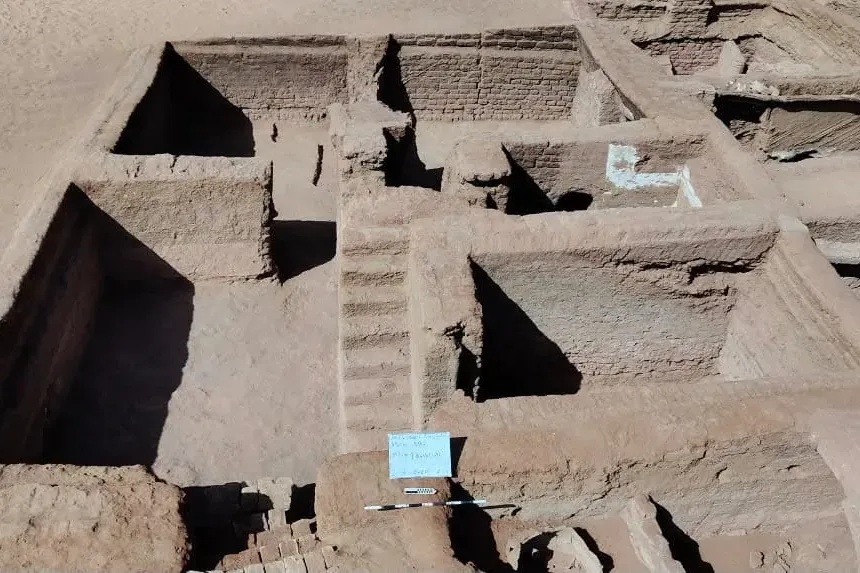
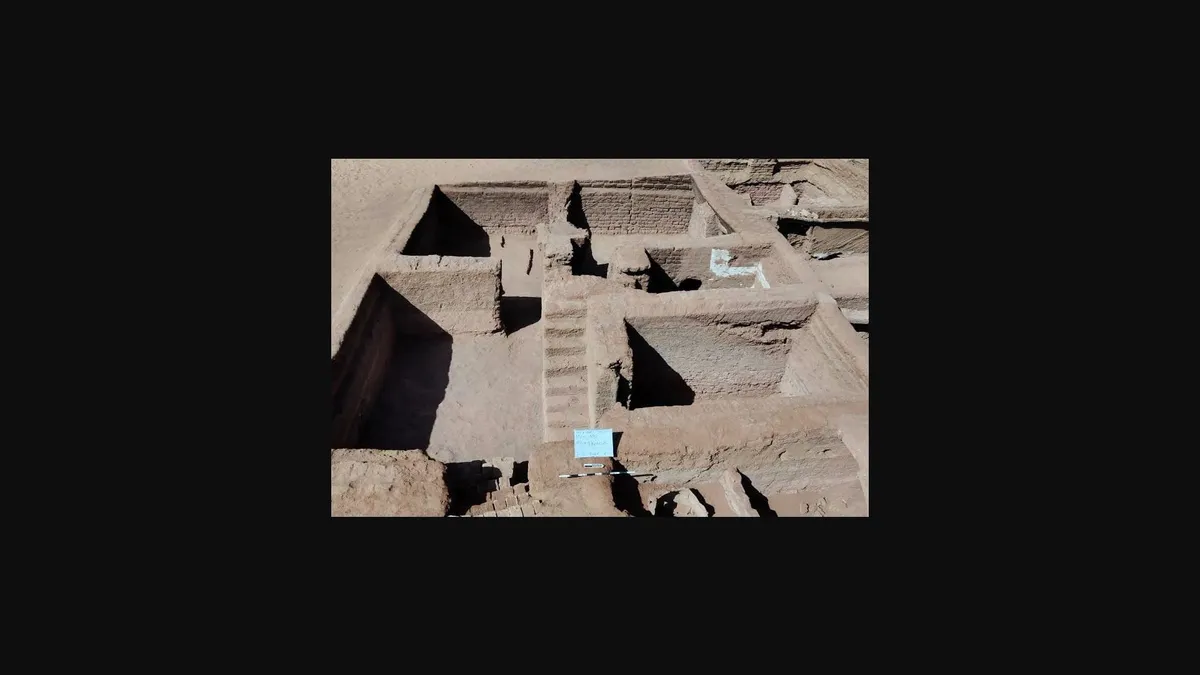
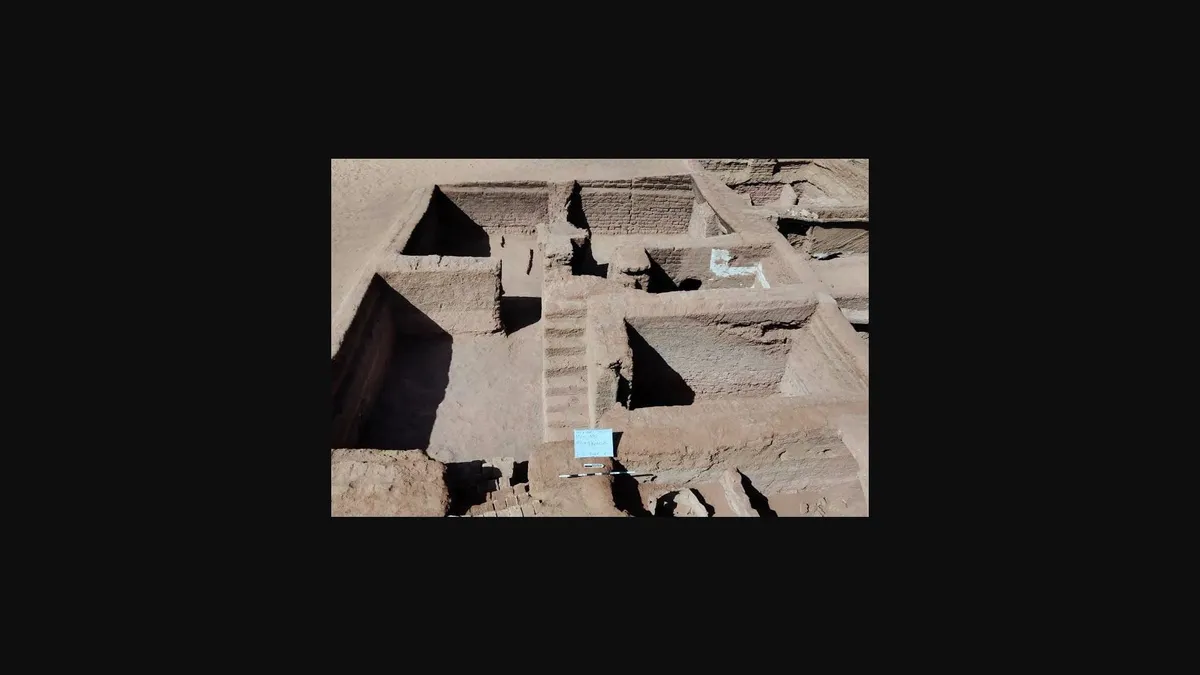
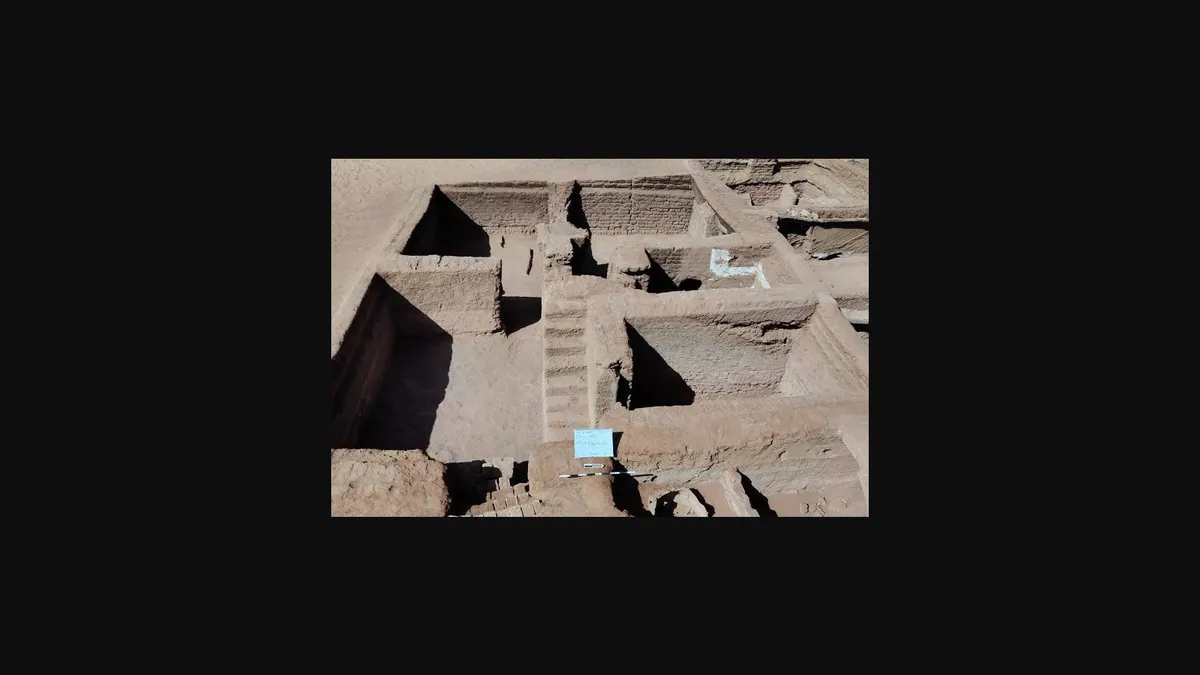
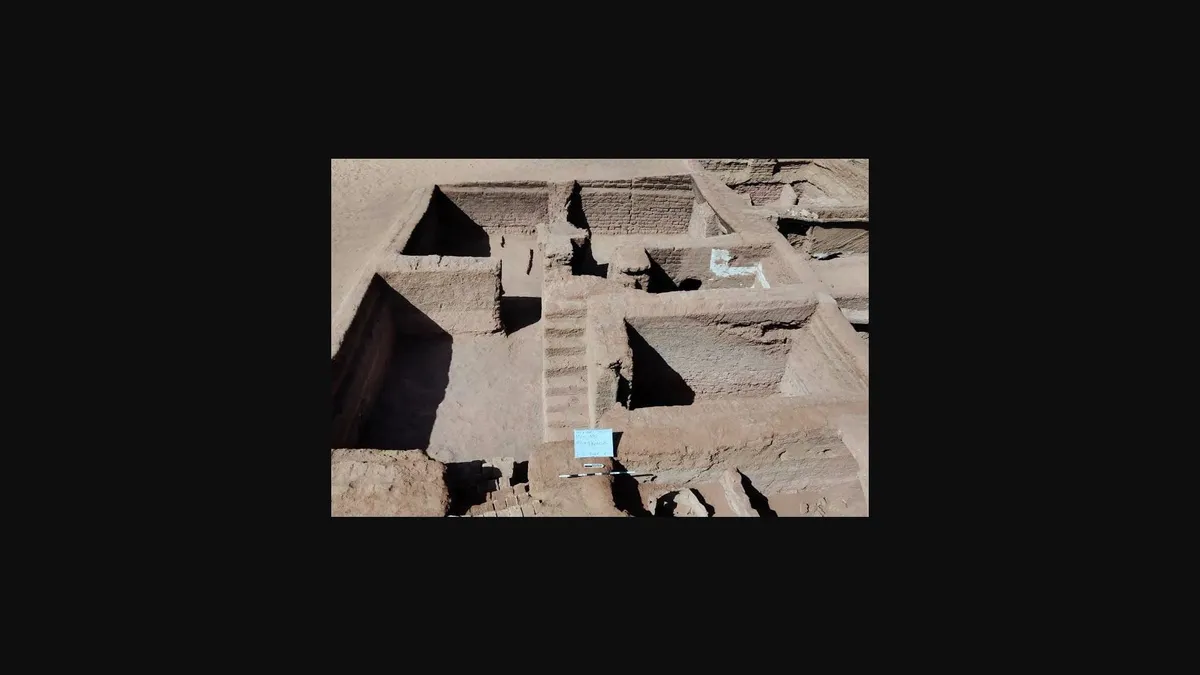
Archaeologists have uncovered a 1,600-year-old Byzantine Christian settlement in Egypt's western desert. This ancient town, remarkably well-preserved, features houses, streets, and a large church. Researchers also found everyday items like kitchenware, coins, and ancient notes written on pottery.
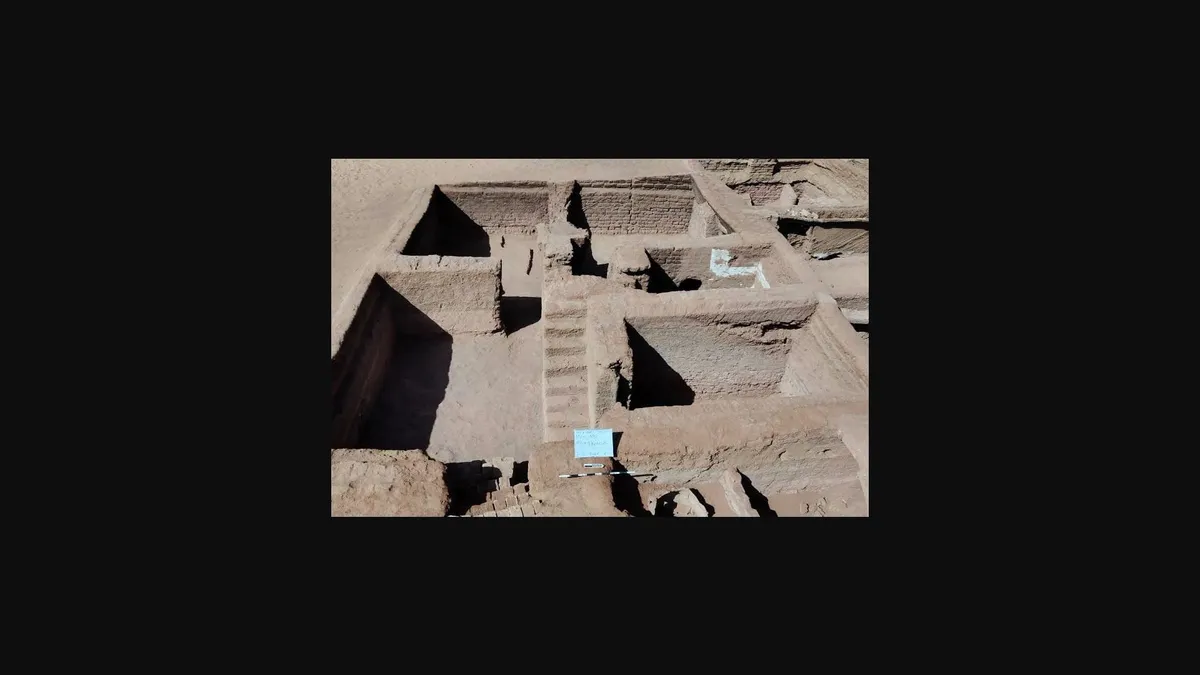
The discovery was made in the Dakhla Oasis. The structures are made of mud bricks, a common building material in ancient Egypt.
A Planned City with a Christian Heart
The settlement shows signs of careful planning. Its main streets run north to south, with smaller streets crossing them from west to east, creating open squares.
We're a new kind of news feed.
Regular news is designed to drain you. We're a non-profit built to restore you. Every story we publish is scored for impact, progress, and hope.
Start Your News DetoxA Christian church, dating to the mid-fourth century, stands on one of the main streets. Other important buildings include two watchtowers at the city's edges, a thick-walled fortress, and large houses with vaulted ceilings.
Colin Hope, an archaeologist at Monash University, noted that Dakhla saw significant activity from the first to third centuries. Even as activity declined in the fourth century, many sites remained, with occupants largely being Christian.
Egypt was colonized after its pharaonic eras. Alexander the Great conquered the region in the fourth century B.C.E., leading to the Ptolemaic dynasty. Then, in 30 B.C.E., Egypt became a Roman colony under Emperor Augustus.
The eastern part of the Roman Empire, known today as the Byzantine Empire, continued until the 1400s. Christianity spread through Rome starting in the first century C.E., becoming the empire's official religion by the fourth century. Christians built many churches and monasteries in Egypt during this time. The newly discovered basilica is one such example.
Daily Life and Valuable Finds
The church is particularly important because it is well-preserved and dates to the fourth century. Researchers found many artifacts that show what daily life was like for the people who lived there. These include pottery, oil and perfume bottles, lamps, millstones, and ovens.
One significant discovery is a collection of about 200 ostraca. These are small pieces of pottery inscribed with everyday notes in Coptic and Greek, including receipts and letters.
Archaeologists also found bronze coins with Byzantine emperors, Latin inscriptions, and Christian symbols. Gold coins from the reign of Constantius II, son of Constantine the Great, were also unearthed.
The discovery of these gold coins is significant because they are rare in Dakhla. It raises questions about who owned them, their social status, and how they were used in a settlement that was primarily agricultural.