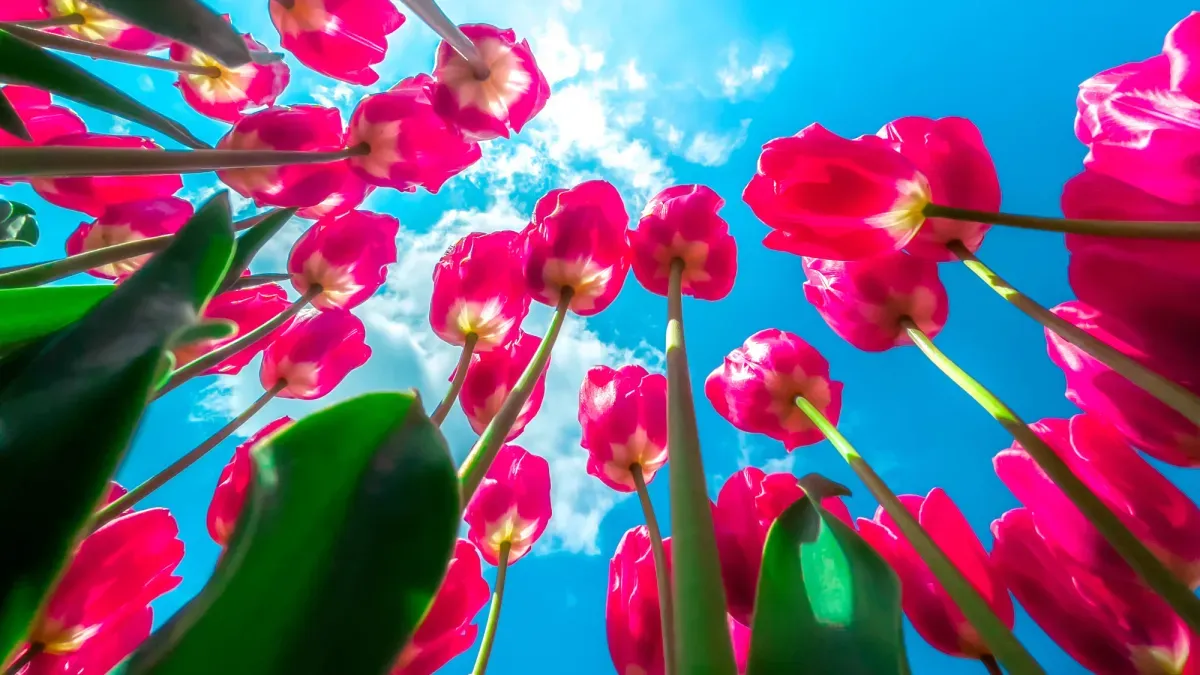
Ever wonder how plants know exactly when to burst into bloom each spring? It's not just a guess. They have an internal clock, kind of like your own body clock, that's super tuned to the seasons.
They're constantly checking two things: how much sunlight there is and the air temperature. When days get longer and the air warms up, it's their signal: Winter's over, time to show off!
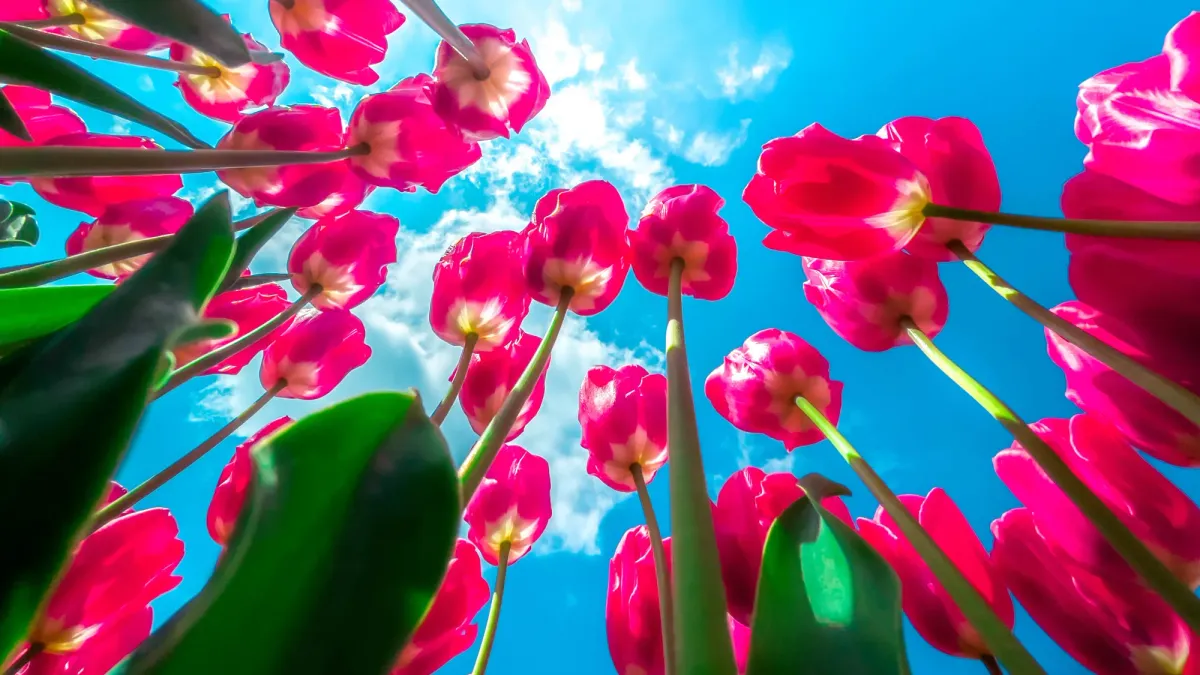
For plants with leaves, sunlight is a huge deal. It steadily increases from March right through June. But for show-offs like daffodils, tulips, and those famous cherry trees, a consistent rise in temperature is the real green light to start their show.
We're a new kind of news feed.
Regular news is designed to drain you. We're a non-profit built to restore you. Every story we publish is scored for impact, progress, and hope.
Start Your News DetoxScientists like Takato Imaizumi at the University of Washington are figuring out the exact mechanisms behind this plant superpower. It’s pretty cool how they pick up on these subtle environmental cues.
Want proof? This year, Death Valley, California, had a wildflower superbloom after getting unexpected extra rain. Even though some areas are past their prime, higher spots will keep blooming right into June.

And those iconic cherry blossoms in Washington D.C.? They're expected to hit their peak around March 29 to April 1. That's a short but spectacular window. If the weather stays cool and calm, the bloom lasts longer. But a late frost, rain, or strong winds can cut the party short. It's a delicate balance, but plants are surprisingly good at getting the timing just right.