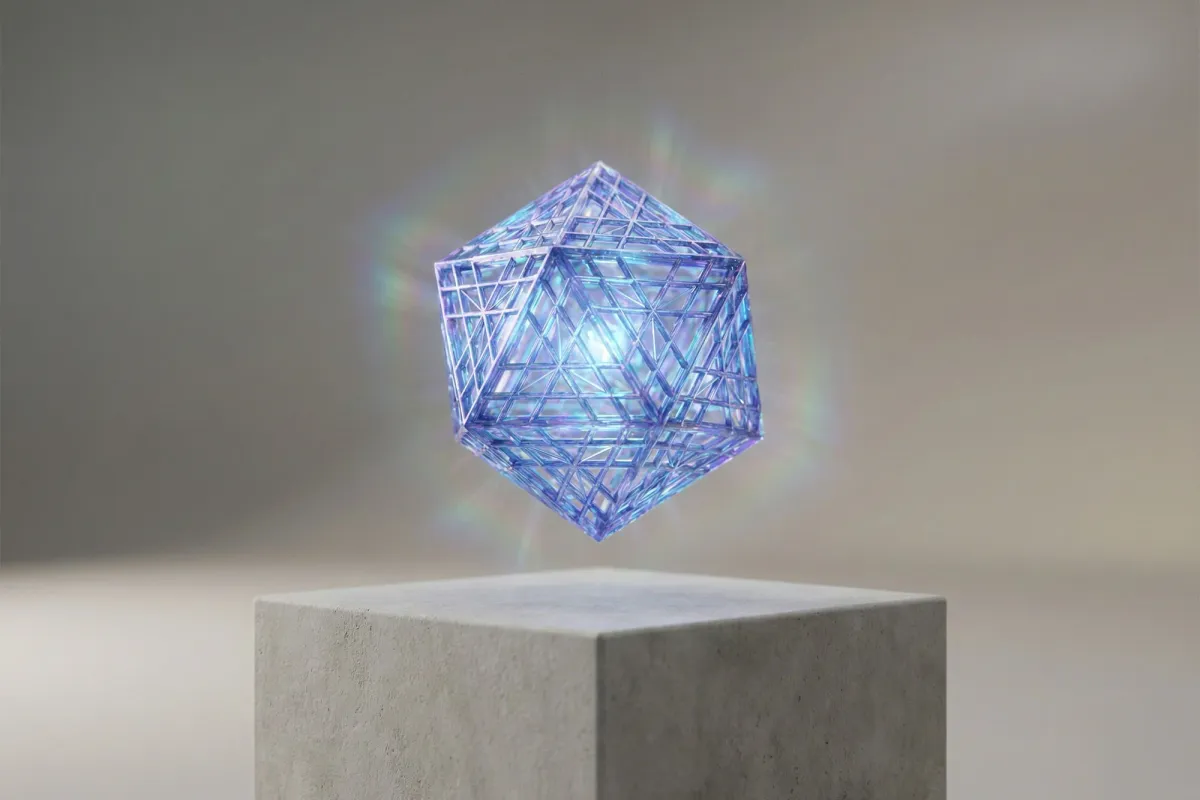
Imagine something that moves forever, all on its own, without needing any energy. Sounds like science fiction, right? Well, scientists just pulled it off, connecting one of these wild “time crystals” to an outside system for the very first time.
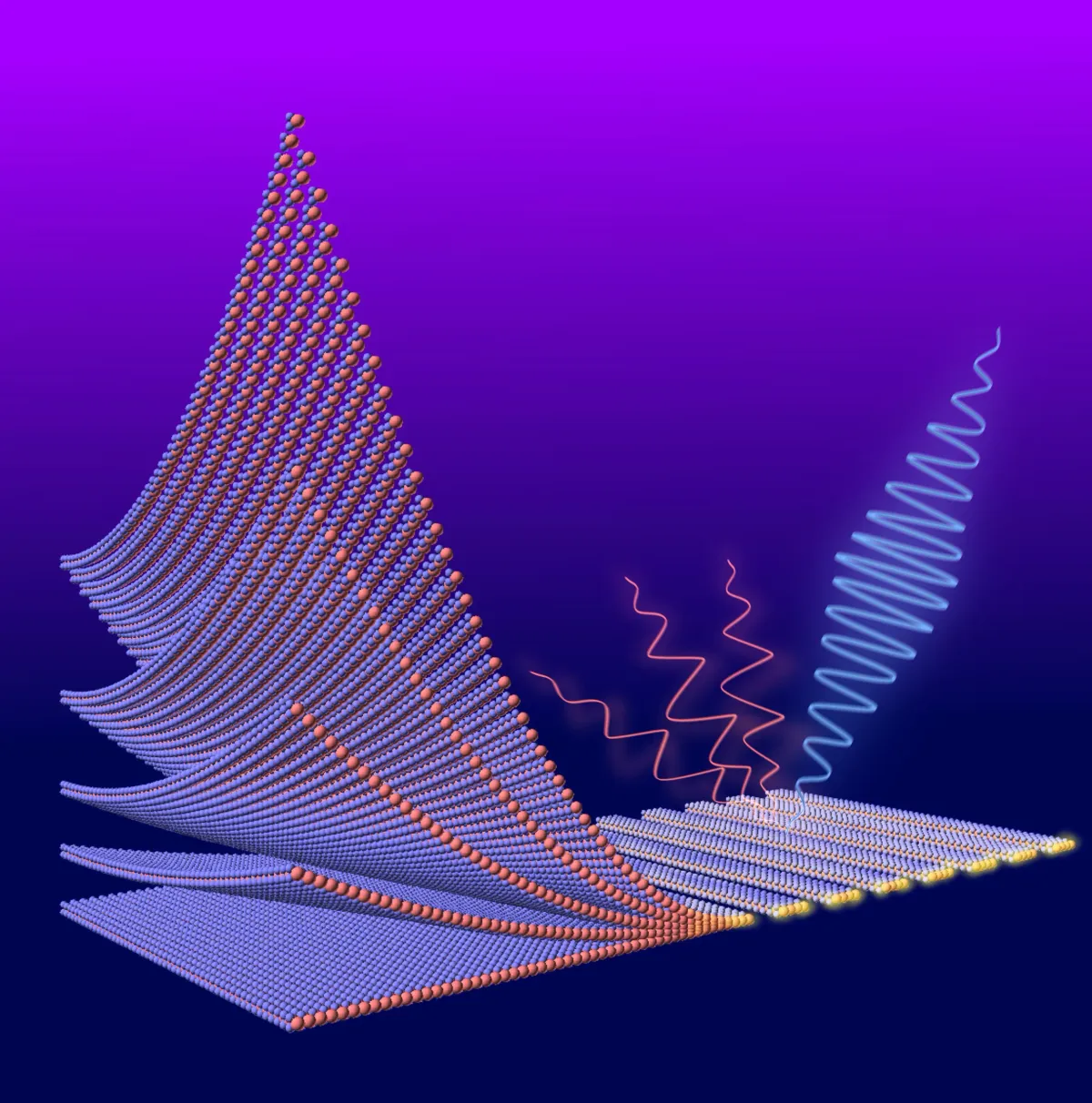
Time crystals are pretty much what they sound like: systems that repeat a motion endlessly. Think of it like a clock that ticks forever without a battery. Physicist Frank Wilczek first cooked up the idea, and by 2016, we knew they were real. The catch? They had to be totally isolated to keep their magic going.
Making the Connection
Now, a team at Aalto University in Finland, led by Jere Mäkinen, figured out how to link a time crystal to something else. This wasn't supposed to be possible! Before this, any outside interaction would mess up their perpetual motion.
We're a new kind of news feed.
Regular news is designed to drain you. We're a non-profit built to restore you. Every story we publish is scored for impact, progress, and hope.
Start Your News DetoxThe team basically turned a time crystal into a super-sensitive detector. To do this, they used radio waves to inject tiny packets of energy, called magnons, into a super-chilled liquid helium. We're talking nearly absolute zero here—colder than deep space.
When they switched off the radio waves, these magnons settled into a time crystal, ticking away for an unusually long time—several minutes, or about 108 cycles. As it slowly faded, this time crystal actually started to interact with a tiny mechanical part nearby. It was like two distant objects finally shaking hands.
Why This Matters
This might not sound like much, but it's seriously cool. Mäkinen says the way the time crystal’s rhythm changed when it connected is similar to how we detect ripples in space-time, like gravitational waves, at places like the LIGO observatory. This new setup could lead to sensors so precise they could pick up the faintest signals.
Even bigger? Time crystals last way longer than the fragile quantum systems we currently use in quantum computers. Imagine quantum memory that doesn't just fizzle out! This breakthrough could make quantum computers much more stable and powerful, bringing us closer to a future where these machines are truly useful.