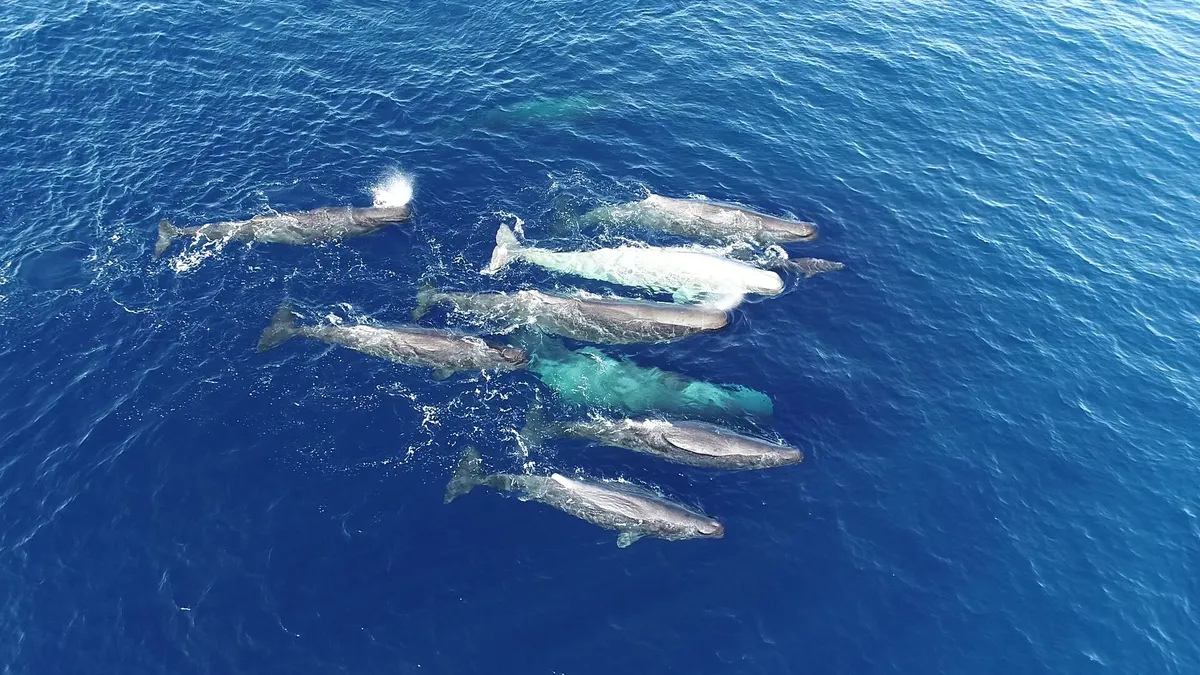
New research from the University of St. Andrews shows how sperm whale vocal dialects change. These whales adopt new calls but still remember older ones. An international team studied vocal dialects in endangered sperm whales in the Mediterranean Sea. They captured how new dialects culturally evolve.
Using 20 years of recordings, researchers found that whales in the eastern Mediterranean developed a new vocal dialect. These whales live around the Hellenic Trench in Greece. Their new dialect is a form of the one used by whales in the western basin, near the Balearic Islands.
An Isolated Population with Shared Calls
Sperm whales are the largest toothed whales. They have lived in the Mediterranean for about 20,000 years. They likely entered from Gibraltar and spread throughout the sea.
We're a new kind of news feed.
Regular news is designed to drain you. We're a non-profit built to restore you. Every story we publish is scored for impact, progress, and hope.
Start Your News DetoxThis population is genetically separate from other oceans. It is small, with only a few thousand animals. Because of its size and threats like fishing gear and ship strikes, it is considered endangered.
Sperm whales make social sounds called codas. These are short, repeated patterns of clicks. They use codas to show they belong to larger cultural groups called vocal clans.
Previously, scientists thought all Mediterranean whales belonged to one clan. This clan was known by a main coda type: three clicks, a pause, then a fourth click. This pattern is called the '3+1' type.
A Faster Eastern Dialect Emerges
New results show that whales near the Hellenic Trench, off Crete, use a faster '3+1' coda. This is different from whales in the western basin, between Gibraltar and Italy. These findings were published in Proceedings of the Royal Society B.
Sometimes, groups in the Hellenic Trench also used the slower, western form of the coda. This shows they knew both dialects.
Dr. Luke Rendell from the University of St. Andrews Sea Mammal Research Unit led the study. He noted that sperm whale culture has been evolving for a long time. This research helps us understand how slow that process is. It also sheds light on how dialect diversity began in sperm whales worldwide. However, scientists still don't know why this new dialect appeared or why it formed in that specific area.
Dr. Taylor Hersh from the University of Bristol was the lead author. She explained that the findings suggest sperm whales moved from west to east in the Mediterranean. This movement ended with a unique dialect developing in the eastern whales, starting in the Hellenic Trench. She added that the new dialect is a clear change from the older '3+1' type. Eastern groups also remember the old dialect, sometimes using it on "throwback" days.
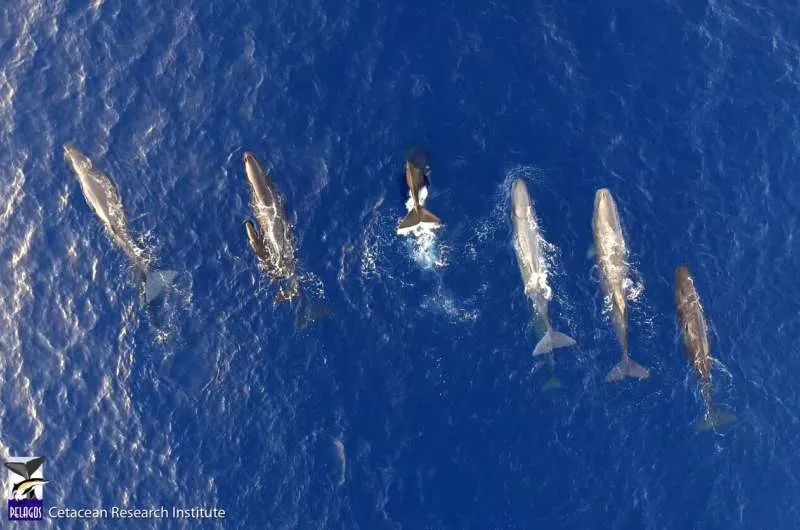
Dr. Alexandros Frantzis from the Pelagos Cetacean Research Institute said this was one of their most interesting publications. He noted that decoding sperm whale communication was a main goal when they discovered the eastern Mediterranean population three decades ago.
Conservation Gains from Cultural Tracking
Dr. Txema Brotons from Asociación Tursiops highlighted that the Mediterranean's cultural history isn't just human. He said that as human civilizations developed languages and customs, sperm whales also passed down their vocal traditions. The Mediterranean is a place of shared cultural diversity, where human and animal cultures have coexisted for thousands of years.
The researchers stressed that long-term international teamwork was key to these discoveries. Studying these dialects offers important new details about the population structure and social dynamics of this endangered group. This comes at a time when considering cultural factors in conserving large animals is becoming more important.
Deep Dive & References
Dialect variation in Mediterranean sperm whales shows evidence of cultural evolution in an isolated population - Proceedings of the Royal Society B: Biological Sciences, 2026