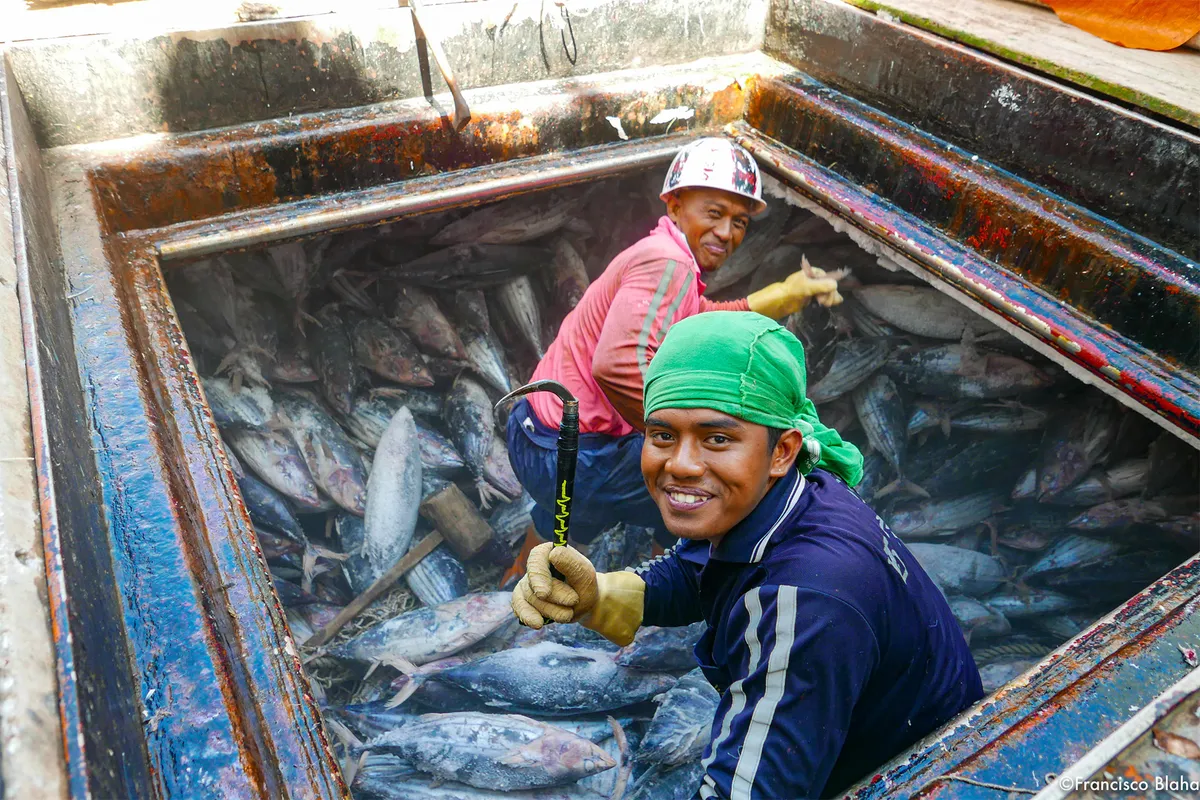
Indonesia just pulled off a hat trick for its fishing industry, ratifying a major international convention that promises to protect fishers, boost its global seafood market, and, perhaps surprisingly, help save marine life. Because apparently, better working conditions for humans also means better conditions for the fish. Who knew?
The country officially approved the International Labour Organization's Work in Fishing Convention, 2007 (C188). This isn't just some dusty piece of paper; it's a commitment to improve the notoriously tough working and living conditions for fishers at sea. Think better safety, fairer pay, and a bit more dignity for the folks who bring us our calamari.

But here's the kicker: this also means Indonesian seafood is about to become a hotter commodity on the global market. Turns out, a lot of international buyers are no longer content with just tasty fish; they want to know it wasn't caught by someone being exploited. Labor, human rights, and sustainability standards are the new must-haves for your prawn cocktail.
We're a new kind of news feed.
Regular news is designed to drain you. We're a non-profit built to restore you. Every story we publish is scored for impact, progress, and hope.
Start Your News DetoxHow They Pulled It Off
Indonesia didn't just snap its fingers and make this happen. This kind of systemic change in an industry as sprawling and complex as fishing requires a veritable village. It wasn't just labor unions pushing for this; it needed buy-in from fishing authorities, the companies themselves, and, crucially, the fishers.
They used a genius strategy dubbed "tripartite plus." This brought together the government, employers (the fishing companies), and the workers (the fishers). Then, they added the "plus": civil society groups like Greenpeace and the Environmental Justice Foundation, along with international partners, all chipping in. These folks raised awareness, gathered the kind of evidence that makes regulators actually listen, and generally drummed up public support for these new rules.
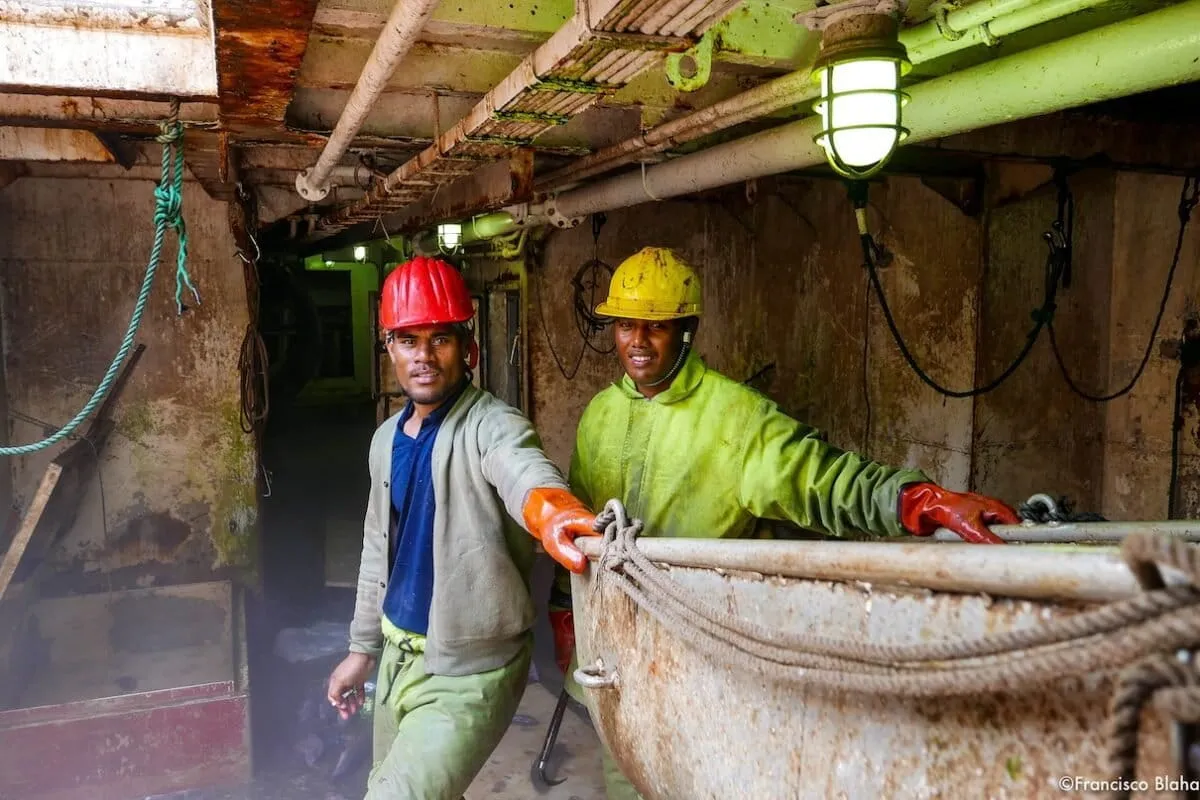
Crucially, the Ministry of Marine Affairs and Fisheries became a major player. This isn't just a win for the Ministry of Manpower; it's a clear signal that protecting marine workers is inextricably linked to managing marine resources. Because when you treat your fishers better, they tend to treat the ocean better too. Let that satisfying ripple effect sink in.