For a country that's been doing things one way since 1965, this is a bit like your grandma suddenly deciding to open a TikTok account and invest in cryptocurrency. Cuba's Communist Party has officially approved a slate of free-market measures, essentially throwing open the doors to private business and foreign investment.
This isn't some quiet tweak; it's an emergency economic package that went straight to the National Assembly and is expected to pass without much fuss. Because apparently, even deeply entrenched ideologies sometimes have to admit the rent is due.
Capitalism, But Make It Cuban
So, what does this seismic shift actually look like on the ground? Well, brace yourselves:
We're a new kind of news feed.
Regular news is designed to drain you. We're a non-profit built to restore you. Every story we publish is scored for impact, progress, and hope.
Start Your News Detox- Private business opportunities are about to explode.
- Foreign investment is getting a red carpet, including from the Cuban diaspora, who might finally be able to send more than just remittances.
- Private real estate development could become a thing. Imagine that.
- State-owned enterprises might just go private, offering shares to the public. Yes, shares. In Cuba.
- And perhaps the wildest part: private banks could waltz into Cuba's finance sector, a realm previously as state-controlled as the national anthem.
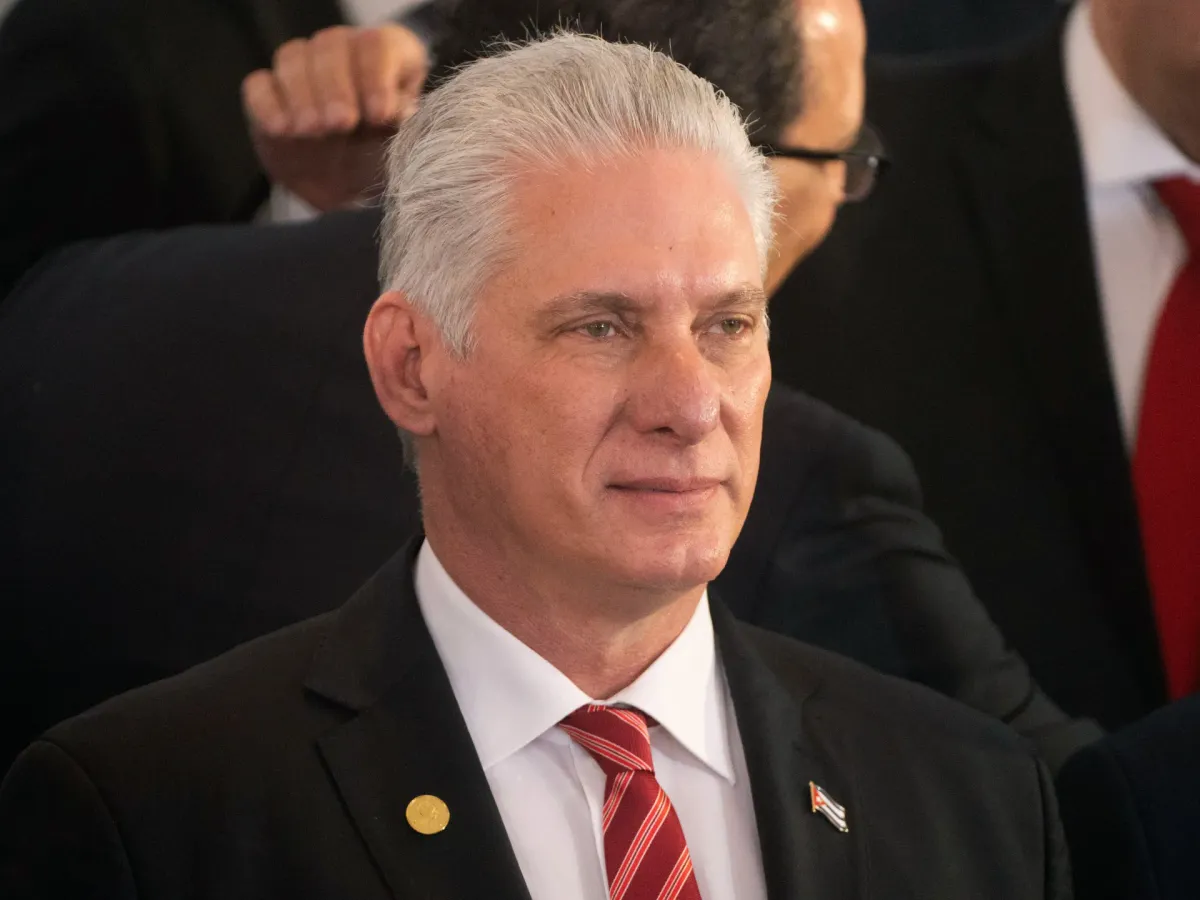
President Miguel Diaz-Canel, addressing the party's Central Committee, didn't mince words. He admitted that Cuba's economic woes aren't just about the decades-long US trade embargo or the recent fuel blockades. Some of it, he conceded, is homegrown.
He called out "slowness, bureaucracy and norms that impede those who want to produce," along with "decisions that we have put off." Which, if you think about it, is a pretty candid assessment for a leader of a one-party state. "The situation calls for urgent and necessary changes," he declared, probably while side-eyeing some of the old guard.
And yes, there are hardliners who aren't thrilled. Diaz-Canel acknowledged that some reforms "will not have absolute consensus, but cannot be postponed." Even former leader Raul Castro is on board, which probably helped grease the wheels.
Meanwhile, the EU, in classic diplomatic fashion, decided this was the perfect moment to call for sanctions on Diaz-Canel and the military-run business group, Grupo de Administracion Empresarial SA, citing "systematic repression." Because apparently that's where we are now: Cuba opens its economy, and the world says, "Great, but also, here are some sanctions."
US officials, like Secretary of State Marco Rubio, have long hinted that economic reforms could ease Washington's pressure. And while the US hasn't officially commented on these specific moves yet, Vice President JD Vance did pop up to say Washington wants Cubans to be "happy and successful." He even added, "If they make smart decisions, we’re going to have a much better relationship with that island." Because nothing says 'better relationship' like a little paternalistic advice.
So, Cuba is taking a leap. Whether it's a confident stride towards prosperity or a clumsy stumble into uncharted territory remains to be seen. Either way, it's going to be fascinating to watch.