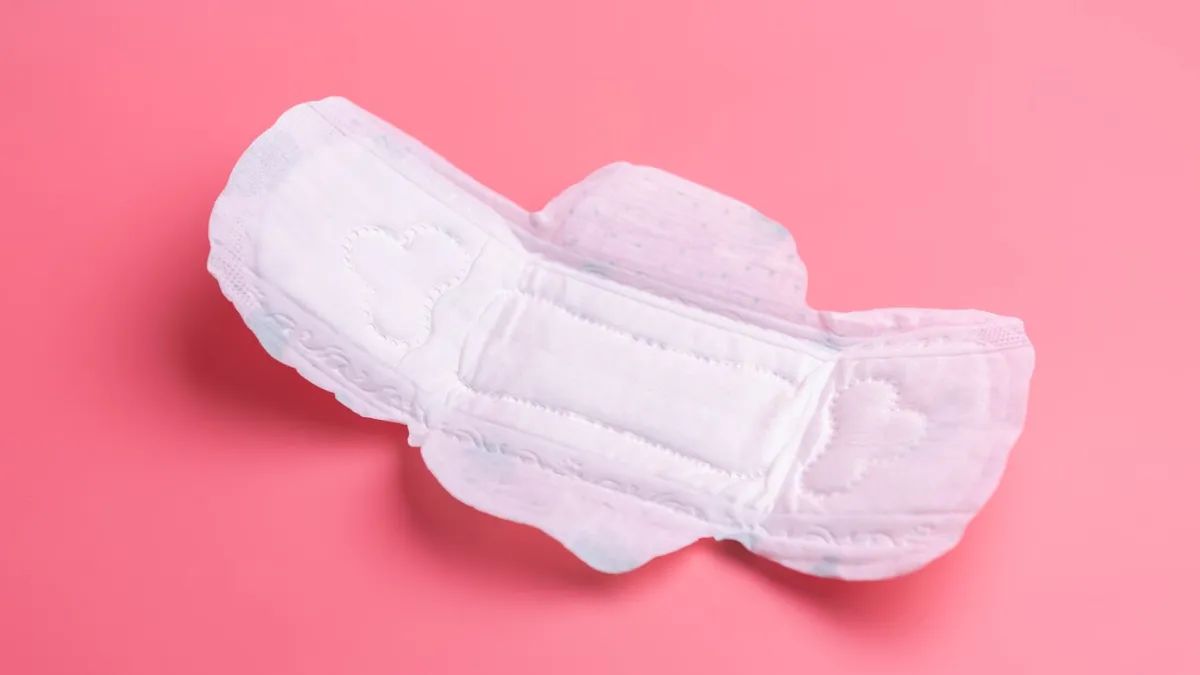
Pakistan's government just made a move that has activists cheering: it's ditching the sales tax on menstrual products and birth control. This means the 18% sales tax, which previously categorized these essentials as 'luxury goods,' will drop to zero in the upcoming fiscal year. Because, apparently, basic biology and family planning were once considered high-end indulgences.
For years, this tax made sanitary items prohibitively expensive for many in Pakistan. A 2025 UNICEF report found a pretty stark reality: only about one in ten girls and women in the country actually use commercially made menstrual products. Let that number sink in.
A Win, With Caveats
This victory didn't just happen. It's the direct result of a full-court press from activists, including a very public legal battle. Mahnoor Omer, an Islamabad human rights lawyer, filed a lawsuit in September 2025 to challenge these taxes and is, understandably, thrilled. She even noted that both men and women are celebrating this particular bit of bureaucratic common sense.
We're a new kind of news feed.
Regular news is designed to drain you. We're a non-profit built to restore you. Every story we publish is scored for impact, progress, and hope.
Start Your News DetoxOmer praised the government's swift action, calling it "unprecedented" for such a change to happen in less than a year. Because, as anyone who's ever dealt with a court case or a legislative body knows, 'swift' is usually not the adjective that comes to mind.
Pakistan now joins a growing list of countries, including Malawi, India, and Nepal, that have either removed or significantly lowered taxes on menstrual products in the last decade. A step in the right direction, for sure.
But here’s the rub: simply removing a tax doesn't always translate to lower prices on the shelf. Emily Cruz, who works on menstrual health for the nonprofit Splash, points to Malawi as a cautionary tale. They axed all taxes on menstrual items, and yet, consumer prices pretty much stayed put. The exact 'why' is still a bit of a mystery, but it suggests that retailers might just absorb the difference.
Cruz thinks activists might need a Plan B — perhaps policies to subsidize products or prevent retailers from marking up these essential goods excessively. Omer confirmed that Pakistan will be tracking prices, and acknowledges that even with this budget announcement, more work is needed. Other taxes, like import duties, which can add another 20% to the cost, are still very much in play.
More Than Just Money
Beyond the price tag, Omer highlights another massive hurdle: stigma. Reducing taxes won't magically make menstruation a dinner table topic. Another activist, Bushra Mahnoor, once shared how intense the stigma can be, often skipping school during her period if she couldn't be sure she'd find a pad. The humiliation of simply mentioning her period without access to products is a memory that sticks.
There's also a significant lack of basic health information about menstruation and reproductive health, especially in rural areas. Omer hopes to see these topics finally addressed in school curricula and awareness campaigns.
Despite the road ahead, Omer is celebrating this win as a powerful reminder that sustained effort actually can lead to tangible results. The sales tax on menstrual products officially ends when the new budget kicks in on July 1. So, here's to hoping prices actually follow suit, and that this is just the beginning of a much larger conversation.