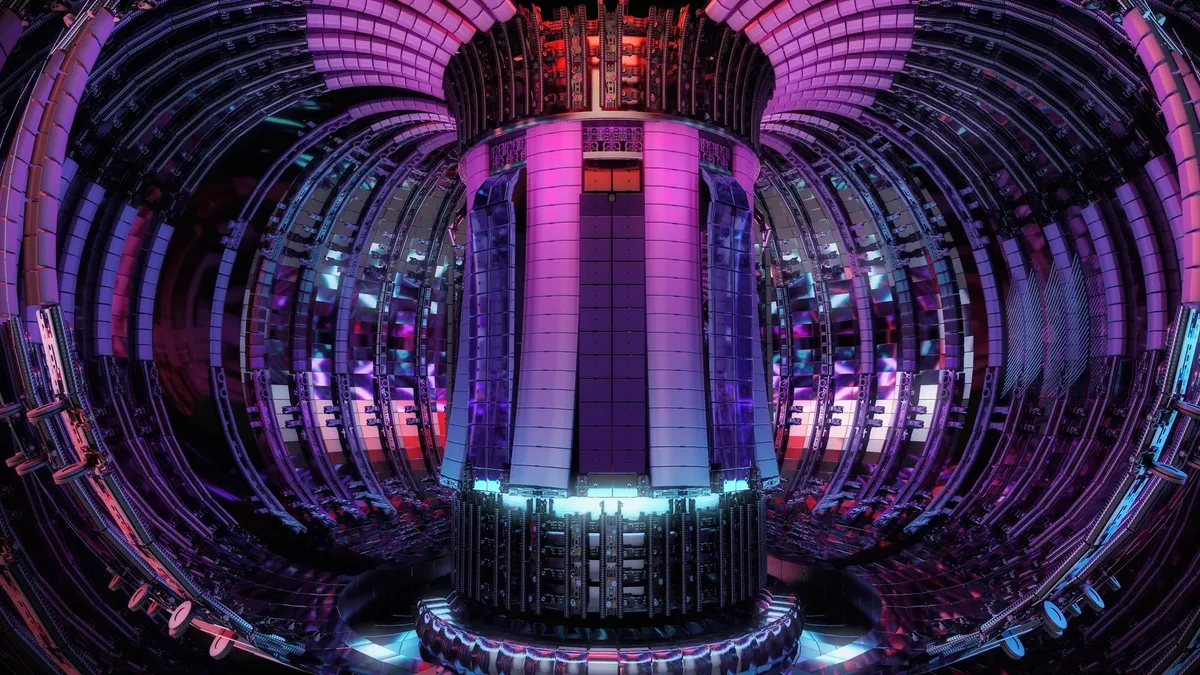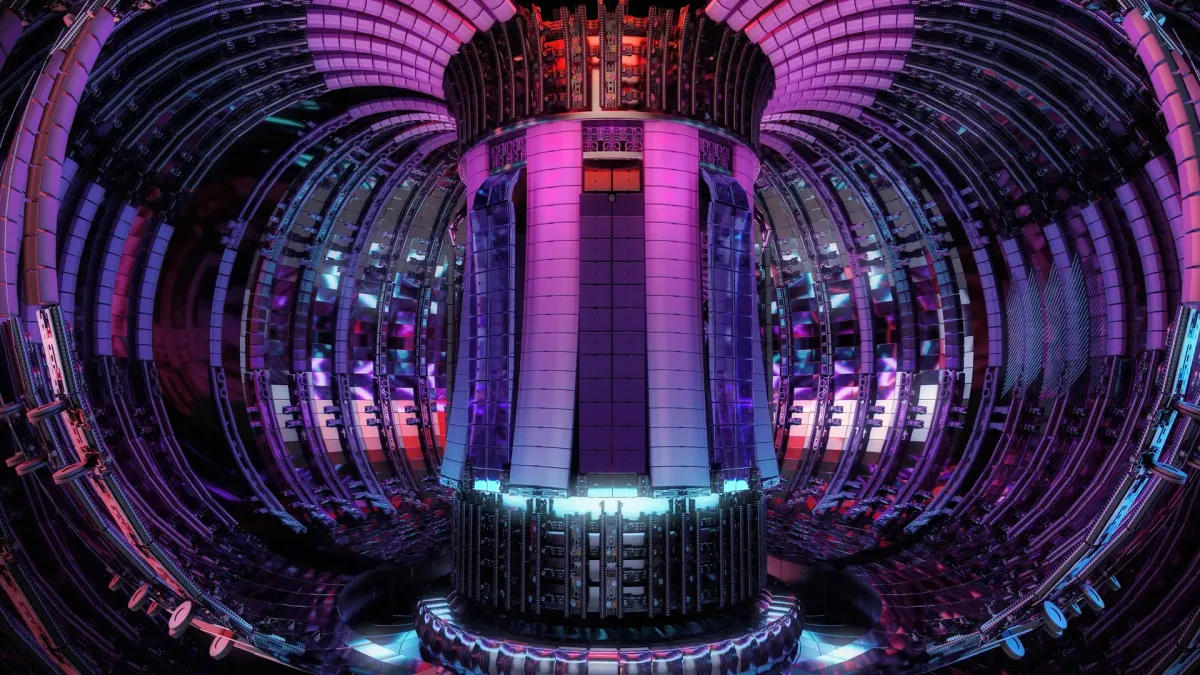
Imagine trying to take the temperature of something that's 180 million degrees Fahrenheit. Now imagine doing that without getting too close, and in 34 different spots, all at once. That's essentially what researchers in Japan have just pulled off with a new system designed to monitor the super-hot, super-tricky plasma inside fusion reactors.
This isn't some kitchen appliance upgrade. This is Mitsubishi Electric Corporation, Kyoto University, and the National Institute for Fusion Science (NIFS) teaming up to create a world-class microwave system. Their goal? To make fusion energy — the holy grail of clean power — actually work.
Peeking Inside the Sun on Earth
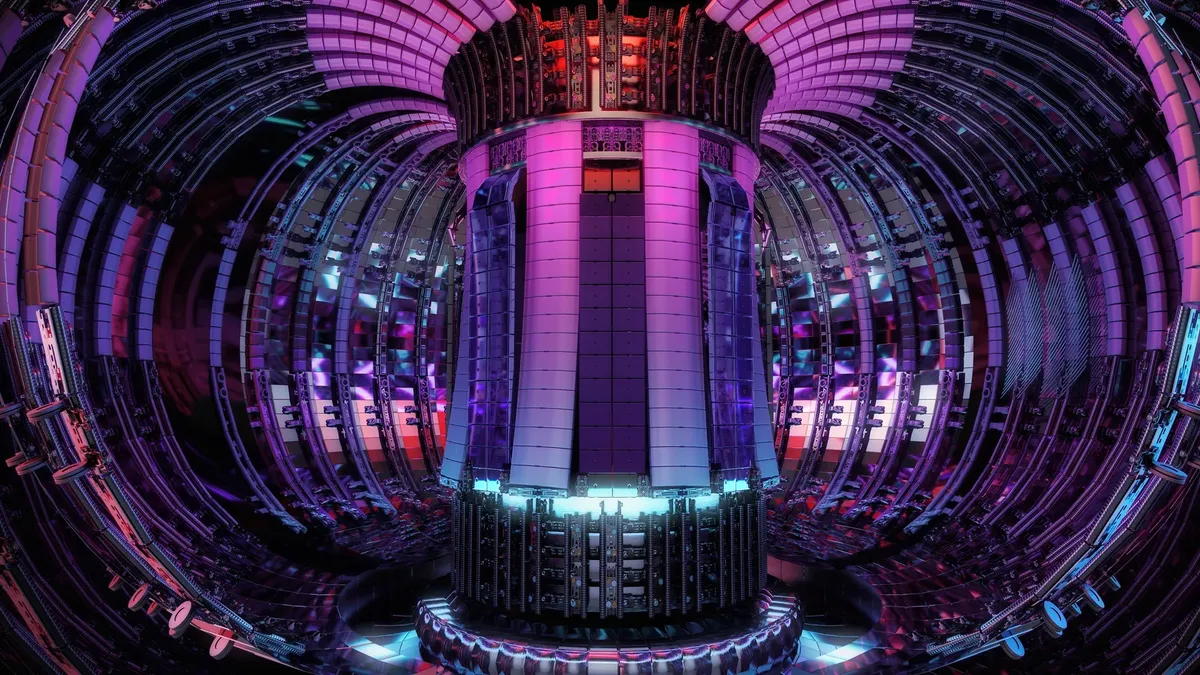
Fusion reactors are basically trying to recreate the sun's processes on Earth. That means incredibly hot plasma, which is notoriously difficult to keep stable and even harder to measure without frying your equipment. Old methods often needed sensors right up close, exposing them to a barrage of neutron radiation. Not ideal for long-term operations, or, you know, not having your expensive tech disintegrate.
We're a new kind of news feed.
Regular news is designed to drain you. We're a non-profit built to restore you. Every story we publish is scored for impact, progress, and hope.
Start Your News DetoxThis new system uses something called "frequency comb microwaves" and a "dual-comb down-conversion method." Which, in plain English, means it sends out microwaves with a whole spectrum of evenly spaced frequencies. These microwaves then bounce off the different densities of electrons in the plasma.
By analyzing how those frequencies change (think of it like the Doppler effect, but for plasma), the system can map the plasma's movements and density in real-time. The truly impressive bit? It can do this continuously for an entire plasma discharge, hitting up to 34 different points simultaneously. Because apparently, one spot just isn't enough when you're trying to contain a miniature star.
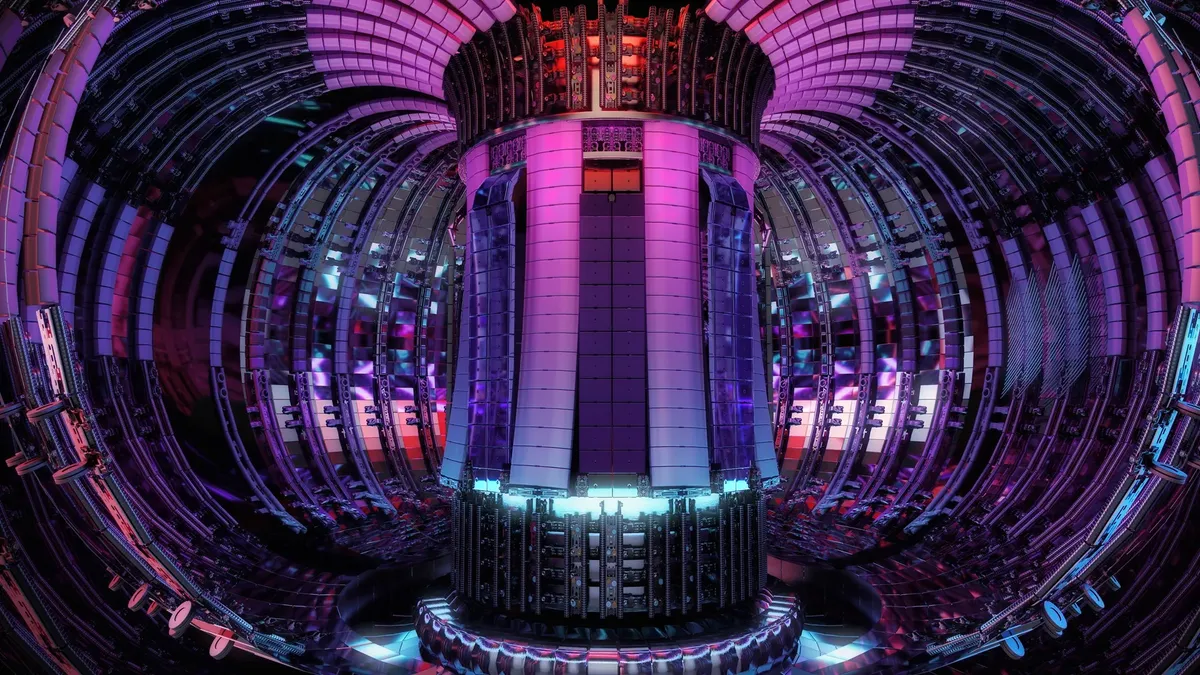
And the tech side? It takes those high-frequency microwave signals and converts them into lower, more manageable frequencies. This means less computing power is needed to crunch the numbers, ensuring stable measurements throughout the plasma's operation. Because the last thing you want is your super-advanced monitoring system crashing mid-fusion.
The Race for Clean Energy
Japan is all-in on fusion, with a national strategy aiming for power generation by the 2030s. But getting there means solving some seriously complex physics problems, and plasma stability is at the top of the list. If you can't see what the plasma is doing, you can't adjust it, and your dream of carbon-free electricity remains just that — a dream.
This new microwave system is a big step towards making those dreams a reality. The partners plan to continue refining the tech, making it even tougher for the brutal conditions inside future commercial reactors. Because if we're going to harness the power of the stars, we're going to need some seriously good eyes on the prize.