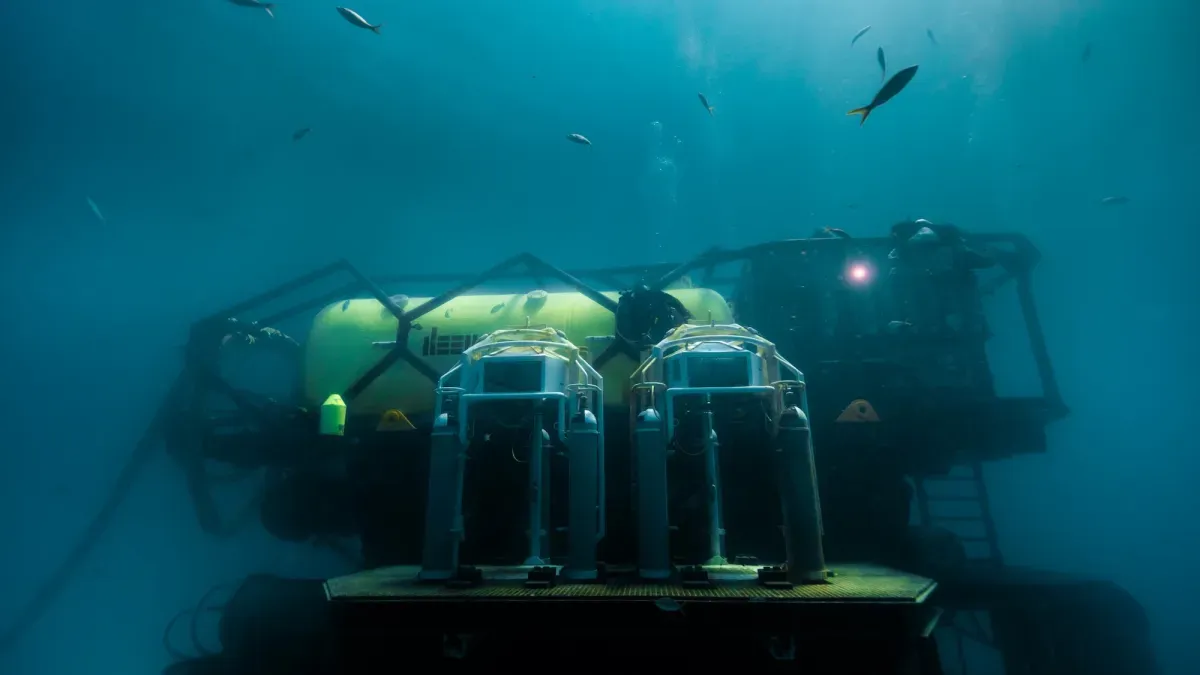
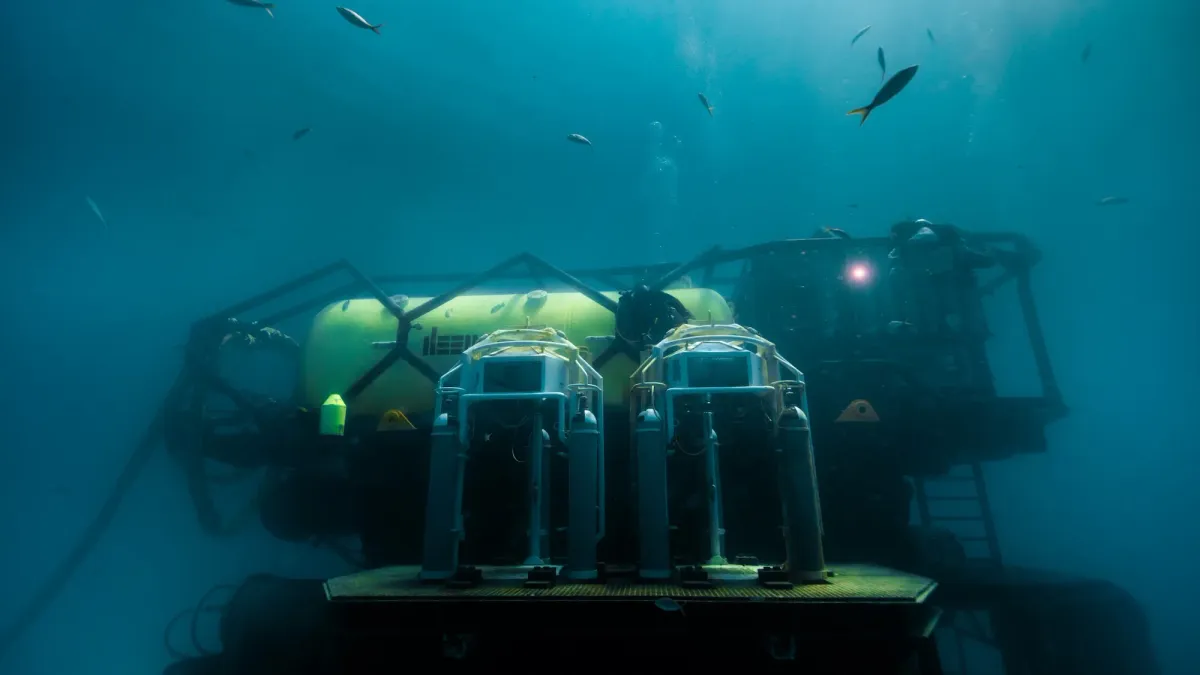
For the first time in 40 years, the U.S. has a new underwater research lab, and it’s exactly where you’d expect it: 56 feet below the surface in the Florida Keys National Marine Sanctuary. Meet Vanguard, a subsea habitat roughly the size of a school bus, now chilling on the seafloor of Tennessee Reef.
This isn't just a fancy submersible for a quick peek. Vanguard is designed for up to four "aquanauts" to live underwater for days on end. Their mission? Everything from monitoring marine life and restoring coral reefs to studying climate change's relentless march and even training for other extreme environments. Because apparently, that's where we are now.
Moving In, Underwater Style
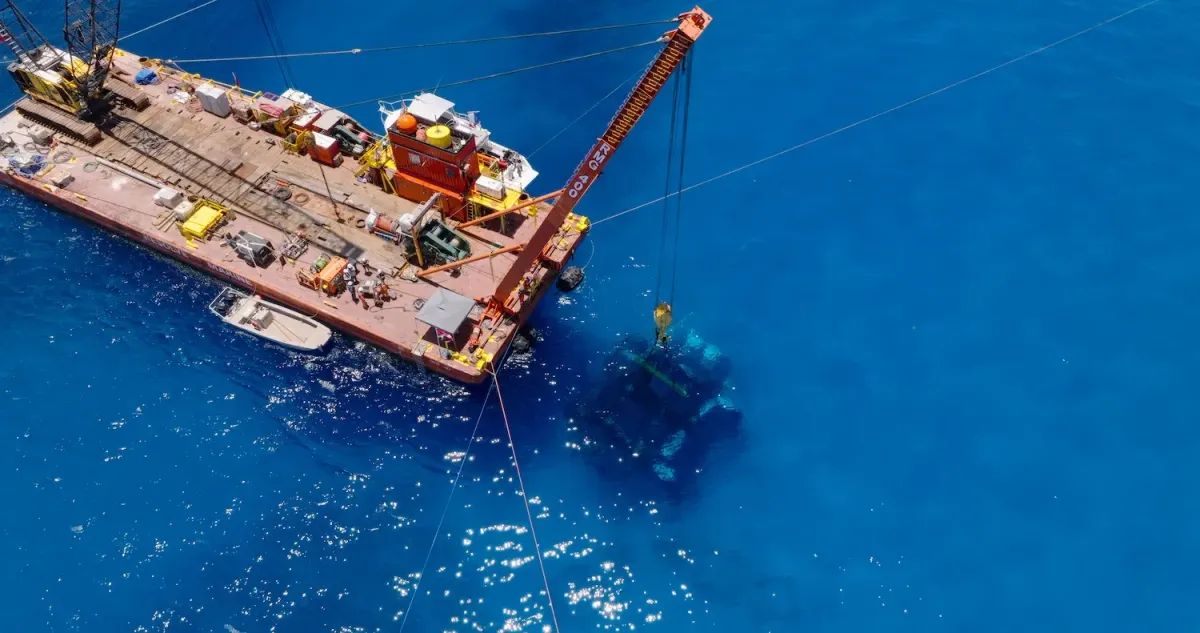
The marine engineering wizards at DEEP spent a meticulous 18 months designing, building, and testing Vanguard. Installation involved first laying down a foundation on the sandy seafloor, then gently lowering the entire habitat onto it with a boat crane. Because you don't just drop a school bus-sized lab into the ocean.
We're a new kind of news feed.
Regular news is designed to drain you. We're a non-profit built to restore you. Every story we publish is scored for impact, progress, and hope.
Start Your News DetoxCrucially, Vanguard isn't just floating out there; it's tethered to a bright yellow surface buoy. This isn't for decoration. That buoy is the lifeline, providing all the essentials: communications, breathable air, and power to the aquatic abode.
Tennessee Reef, a designated "Research Only Area," is known for its rather unique deepwater corals and sponges. Being able to stay down there, continuously, means scientists can finally get some proper, uninterrupted work done. This could lead to genuinely new discoveries about how coral ecosystems function, what makes them tick (or stop ticking), and the full impact of a warming planet.
Norman Smith, DEEP's chief technology officer, called this a "big step towards having a continuous human presence in the ocean." Which, if you think about it, is both impressive and slightly terrifying. Eddie Kertis, superintendent of the Florida Keys National Marine Sanctuary, was a bit more grounded, highlighting the new opportunities for marine science. Now, DEEP just needs to clear some final tests and reviews. Then, the aquanauts get their training, and the underwater missions can officially commence. Let's hope they packed enough snacks.