A small robot from Japan's space agency recently explored the moon. It worked on its own for over 100 minutes and sent pictures back to Earth. This mission shows how tiny robots could help set up future moon settlements.
Tiny Robots for Tough Moon Missions
The moon is a difficult place for robots. Its surface has many craters and abrasive dust. Also, communication delays make it hard to control robots from Earth. Launching and landing equipment is expensive, so losing a rover is a big risk. This makes exploration slow.
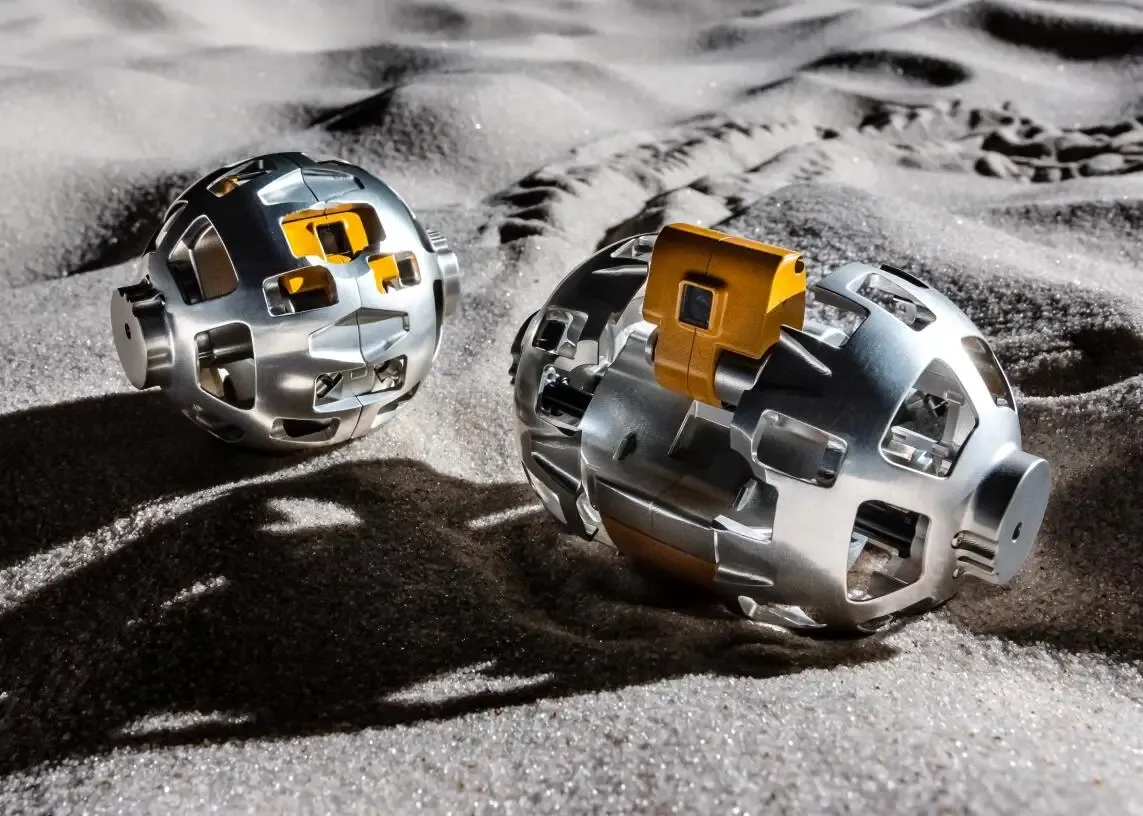
One solution is to use many small, cheap, and tough robots instead of one large one. This way, more ground can be covered, and if one robot fails, others can continue. Japan's space agency, JAXA, has now shown this idea can work.
We're a new kind of news feed.
Regular news is designed to drain you. We're a non-profit built to restore you. Every story we publish is scored for impact, progress, and hope.
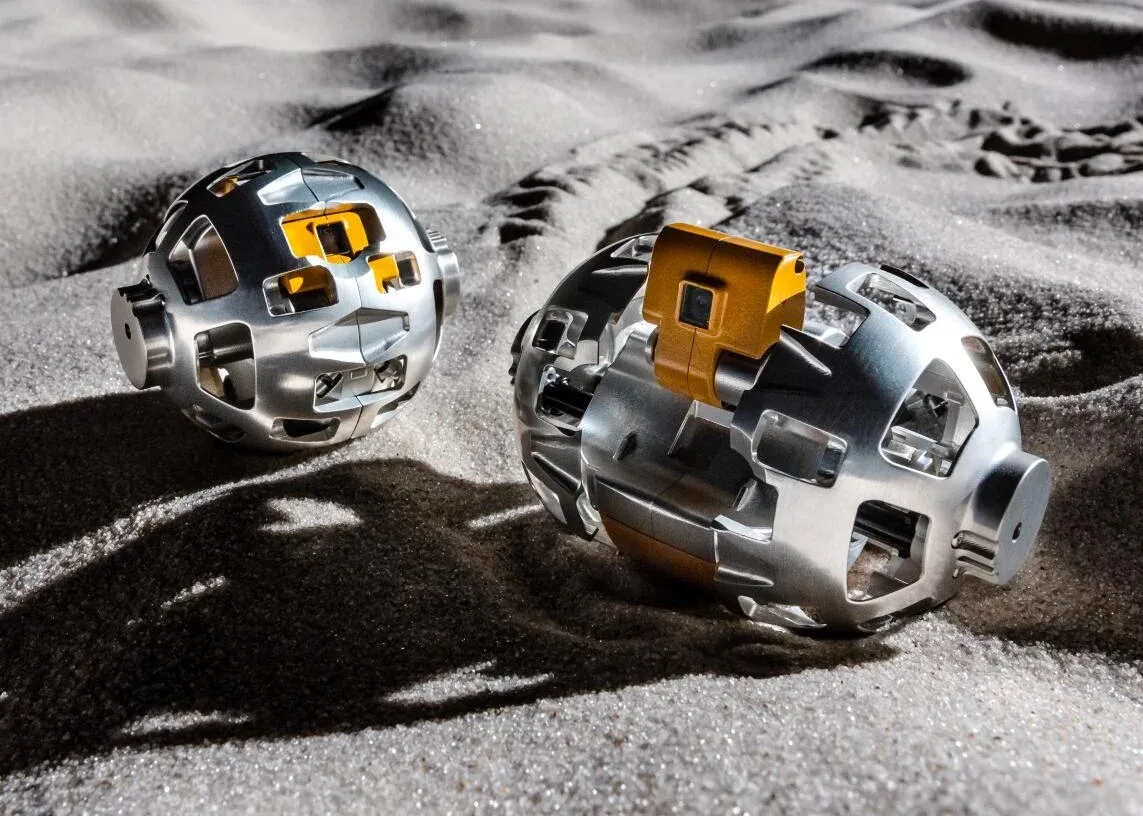
Start Your News DetoxJAXA researchers detailed their success in Science Robotics. Their LEV-2 robot was part of the SLIM mission, which landed near the Shioli crater in January 2024. The LEV-2 is a three-inch sphere that turns into a wheeled robot after landing. It worked for over 100 minutes, traveled about 24 meters, and sent images to Earth.
The researchers noted that while one small rover has limits, these results show they can explore areas a main spacecraft cannot reach.

SORA-Q: A Transformer Robot
The robot, nicknamed SORA-Q (from Japanese words for space and sphere), weighs only eight ounces. When it lands, the shiny metal sphere opens up. Its two halves become wheels that spin around a central shaft. This central part also has a front camera and a tail for balance.
JAXA created SORA-Q with Sony and toy maker TOMY. Its design comes from transformer toys that change from vehicles to robots. But the team had to change the design a lot to handle the moon's harsh environment.
Overcoming Lunar Challenges
Moving in the moon's dust, called regolith, is a big challenge. This fine powder can be hard for small wheeled robots to navigate because they don't have as much grip as larger ones.
To fix this, the team designed the wheels to spin slightly off-center. This makes the rover lift a bit with each turn. This helps the wheels dig into the surface and get enough grip to move in the loose dust.
Communication delays are another problem. So, the robot was designed to do most tasks on its own. It has an image-processing system that lets it spot the SLIM lander. It uses the lander as a reference point to figure out its own position in real time.
SORA-Q is too small to talk directly to Earth. So, it worked with another robot called LEV-1, which can hop and send data. Due to power limits and short communication windows, SORA-Q can only send a limited amount of data. It has an algorithm that picks the best photos to share.
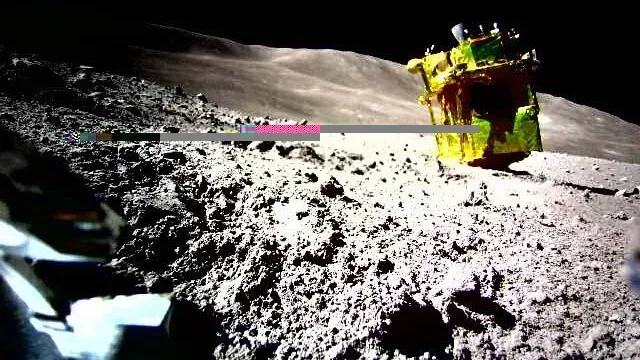
The robot has a low-power chip, not one for complex image processing. The algorithm simply looks for the SLIM lander's gold insulating material. It then picks photos where this material is clearly visible.
About seven minutes after starting, the rover had moved about five meters from the lander. It chose two best images out of 12 and sent them to LEV-1. One image was very helpful. It showed the lander had landed at a strange angle, with its solar panels facing the wrong way. This gave ground teams important information to understand the spacecraft's status.
Future of Lunar Exploration
The system wasn't perfect. Some data was lost during transmission. This happened partly because LEV-1's hopping disrupted the wireless link. Also, the rover's antenna changed direction as it moved. The team also lost tracking data before the mission ended. This means they don't know exactly how far the rover traveled or when it stopped.
Despite these issues, the mission showed that small, affordable robots like SORA-Q could greatly expand moon exploration. This could be very useful for finding good spots for future science missions or even permanent bases on the moon.