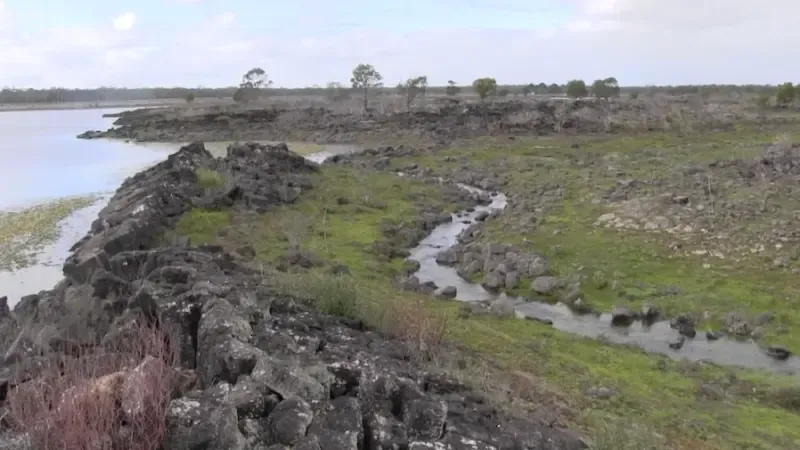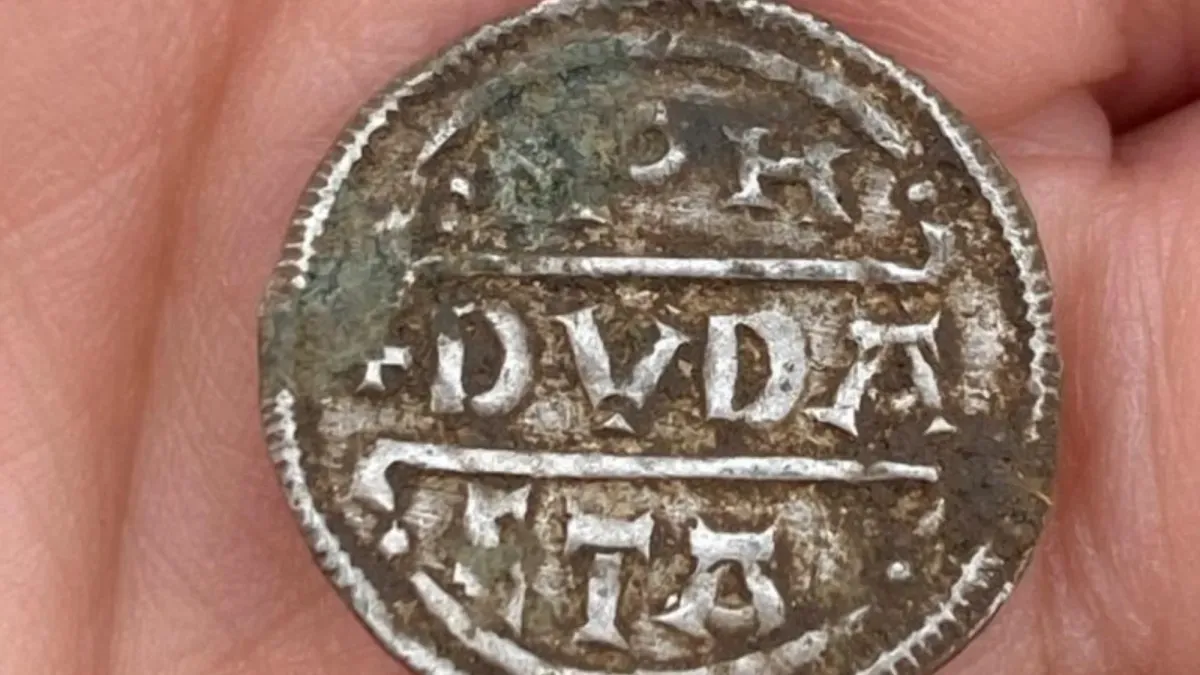
Imagine going out with your metal detector, hoping for a rusty bottle cap, and instead hitting the jackpot: a rare collection of Anglo-Saxon coins, likely stashed away from marauding Vikings. That's exactly what happened to a group of enthusiasts in Bickmarsh, England.
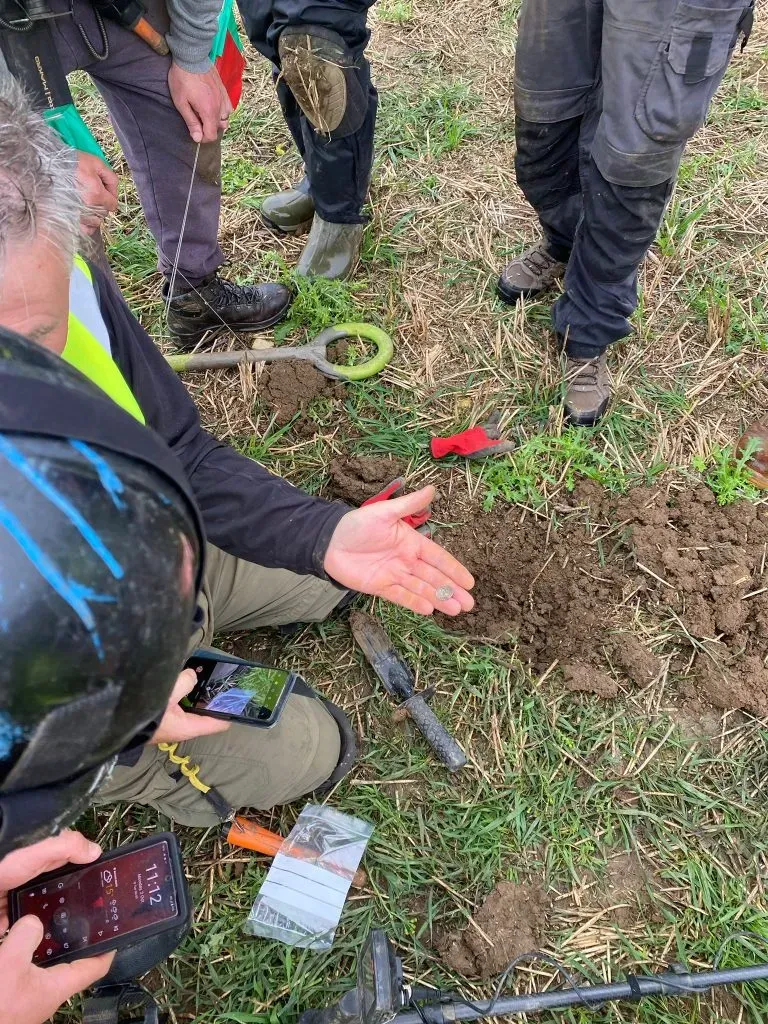
What started with a few pings from the Go Detecting (Midlands) Ltd group quickly escalated. Worcestershire Archaeology swooped in, deploying more detectors and geophysical surveys like it was a high-stakes treasure hunt. And it was.
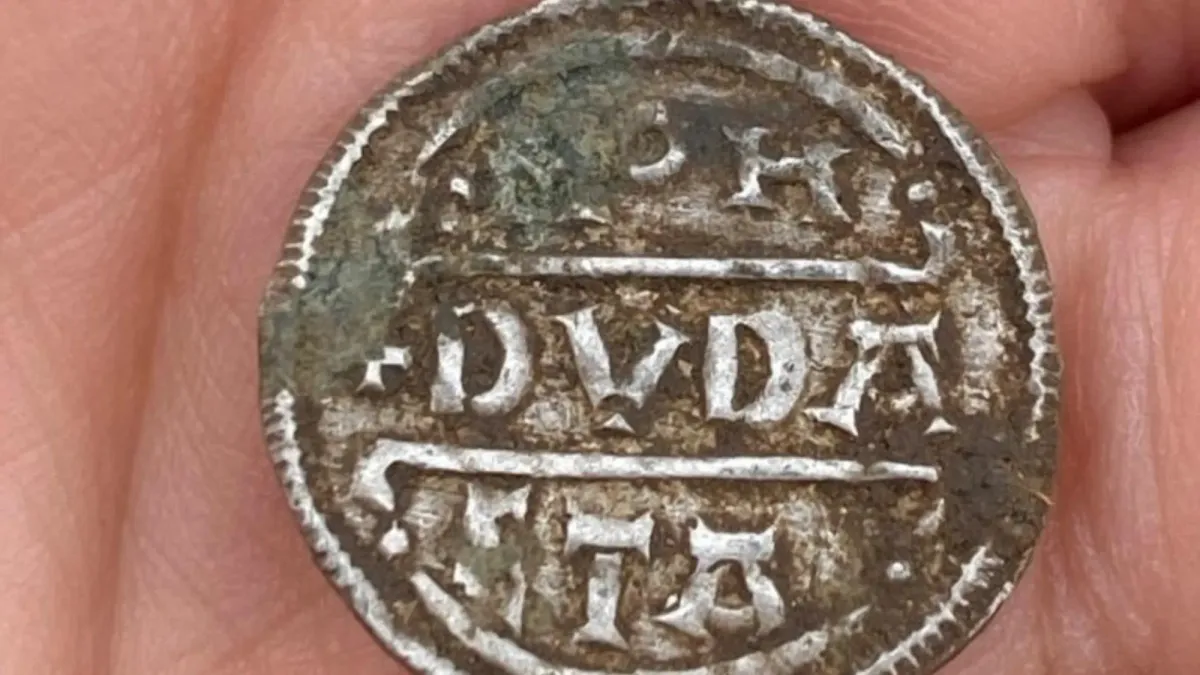
They unearthed not just one, but three groups of coins, forming what's now known as the Bickmarsh Hoard. All told, 63 coins, dating from the 5th to the early 11th centuries. Finding coins from this era in Worcestershire is about as common as finding a quiet teenager. Before this discovery, fewer than 100 such coins had ever been recorded in the area. Talk about a glow-up for the county's historical records.
We're a new kind of news feed.
Regular news is designed to drain you. We're a non-profit built to restore you. Every story we publish is scored for impact, progress, and hope.
Start Your News DetoxA Viking-Proof Vault?
Most of these ancient shiny bits were minted under King Burgred, who ruled the Anglo-Saxon kingdom of Mercia from 852 to 874. The best guess is that someone buried this stash between 871 and 874. Why the sudden need for a hidden piggy bank? Viking armies were sweeping through England, and apparently, they weren't too keen on respecting property rights.
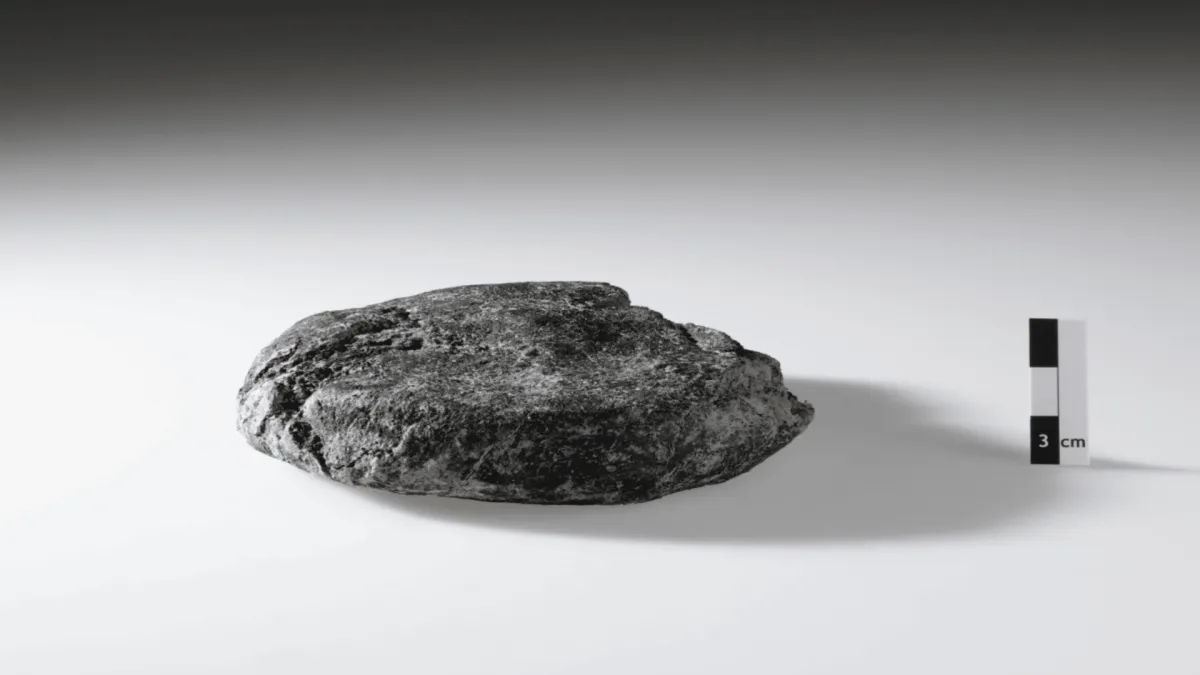
Archaeologists also found 35 small pieces of lead sheet near the coins. Other hoards have been found wrapped in lead, suggesting someone might have been trying to make a primitive, Viking-proof safe. Or maybe they just liked lead. We may never know.
Curiously, the site also showed signs of both medieval and modern plowing, which likely scattered the coins a bit. So, the original owner's secret wasn't quite as deep as they'd hoped. Still, the hoard survived centuries of farming and general existence, only to be found by some very persistent hobbyists.
Councillor Ian Cresswell called it a "fascinating discovery," which feels like a bit of an understatement. It's not just a pile of old money; it's a direct, tangible link to a time when people literally buried their savings to escape an axe-wielding horde. And if that doesn't make you want to tell someone, what will?