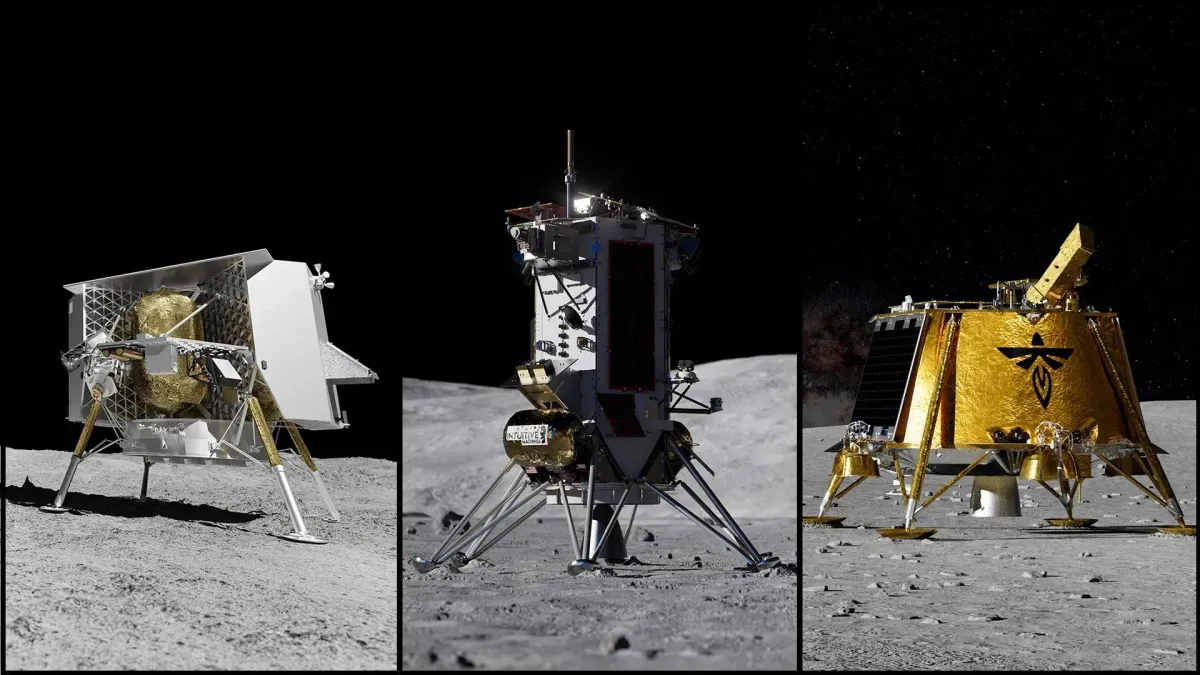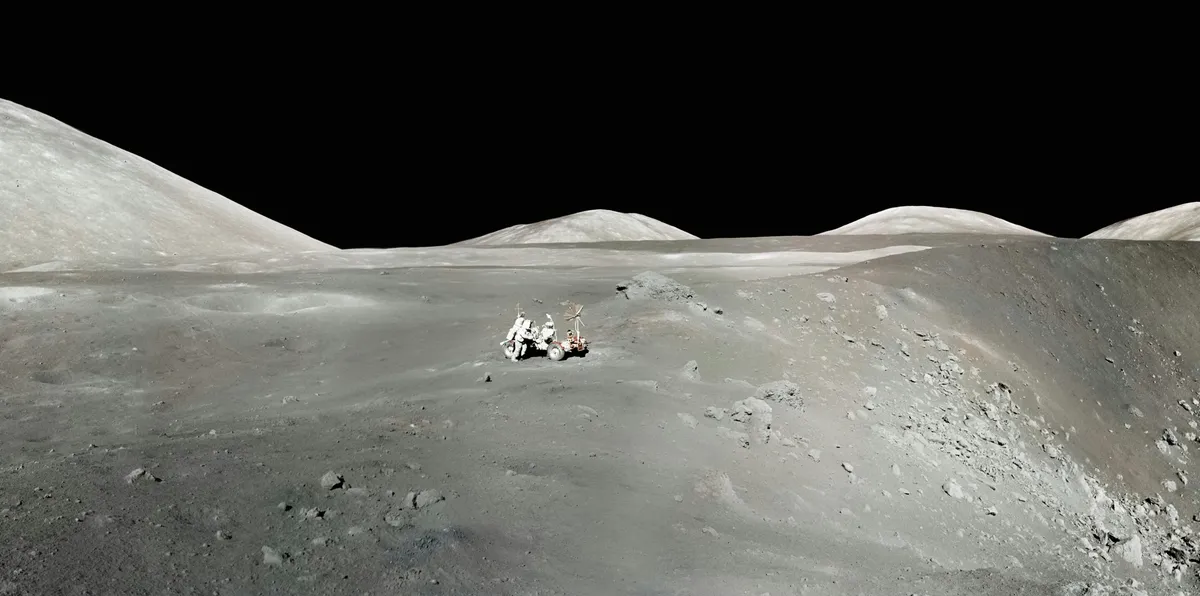
NASA, apparently tired of merely visiting the Moon, has decided it's time to move in. And like any good landlord, they're sending in the robots first to get the place ready. We're talking three new robotic missions, all part of a grander, slightly bonkers plan to plant a human flag — and a human base — on the lunar surface by 2029. Because why not?
They've just thrown nearly $600 million at three U.S. companies to haul cargo, including scientific gear, up to the Moon. This isn't just about dropping off a few moon rocks; it's about laying the groundwork for actual human habitats, a power grid, and maybe even some lunar Wi-Fi. It's infrastructure, but for space.
Now, this isn't to say it's been a smooth ride. Blue Origin's New Glenn rocket decided to have a dramatic moment (read: explode) this spring, which, as you can imagine, caused a bit of a scheduling hiccup. But NASA's Carlos Garcia-Galan, the program manager for this lunar real estate venture, is the picture of cool. They're working with Blue Origin, but also, you know, keeping other options open. Because apparently that's where we are now: backup plans for space travel.
We're a new kind of news feed.
Regular news is designed to drain you. We're a non-profit built to restore you. Every story we publish is scored for impact, progress, and hope.
Start Your News DetoxThe Moon's South Pole: Prime Real Estate
After spending years tinkering with the Gateway orbital space station, NASA had a sudden epiphany in March: maybe we should just build on the Moon. So, they pivoted, committing a cool $20 billion to a surface base. The location? The Moon's south pole. Why there? Because it's got water ice in the soil, which, for future moon dwellers, is basically beachfront property.
Construction could kick off as early as 2029, a timeline that feels both ambitious and slightly terrifying. It's also a not-so-subtle nod to the space race 2.0, with China also making plans for lunar residency. NASA's vision includes everything from landers to rovers to drones mapping out the terrain. They're even mulling over the idea of repurposing a Mars rover for lunar duty. Because if it can handle Mars, it can probably handle the Moon, right? It’s all very "build it and they will come," but with more robots and significantly less oxygen.