NASA is officially going all-in on a permanent lunar outpost, committing nearly $600 million to four new commercial missions. Think of it as laying the cosmic groundwork for humanity's next big leap — a pit stop to Mars, perhaps, but with actual amenities.
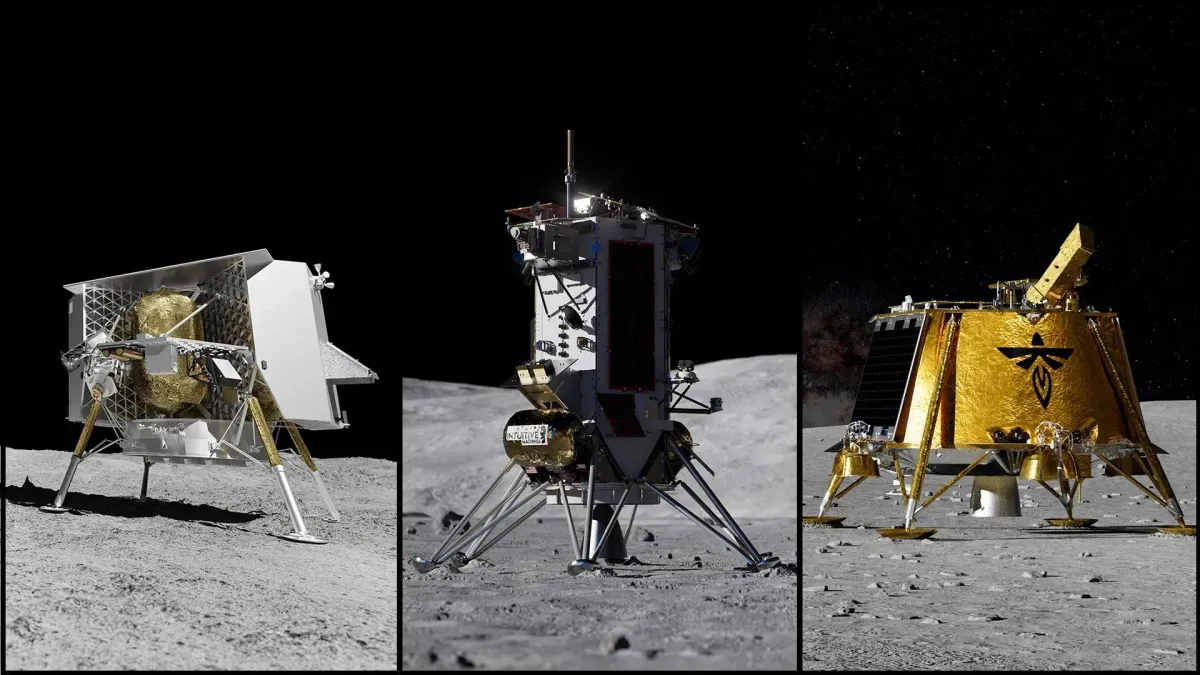
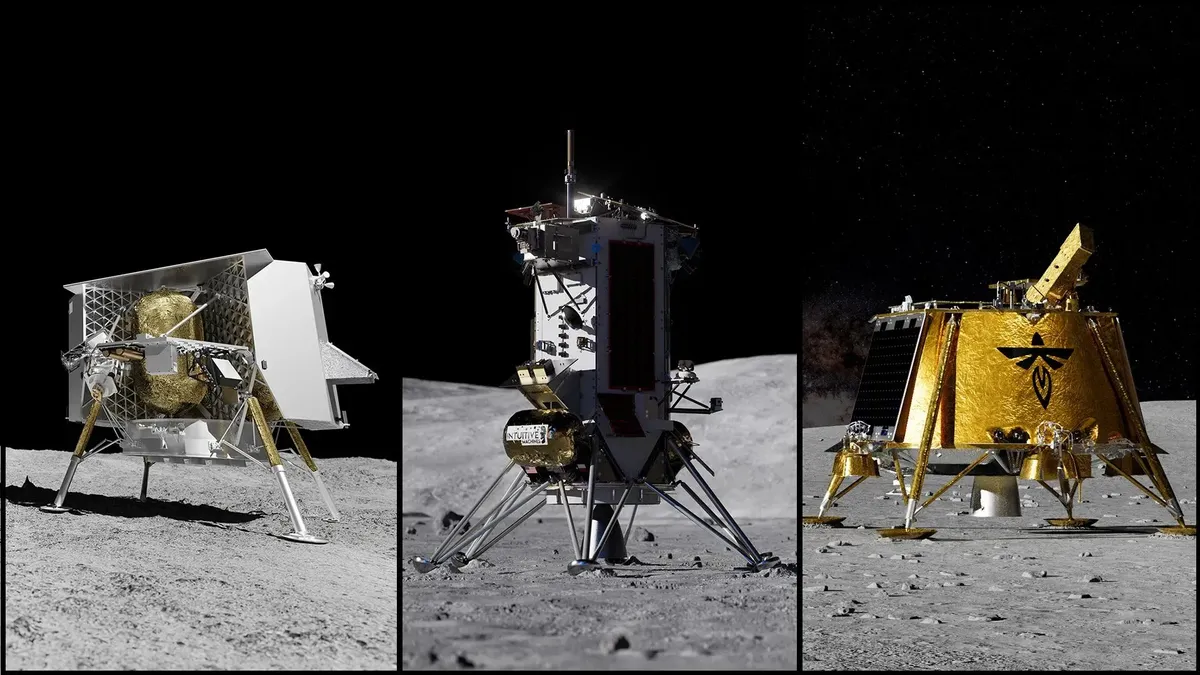
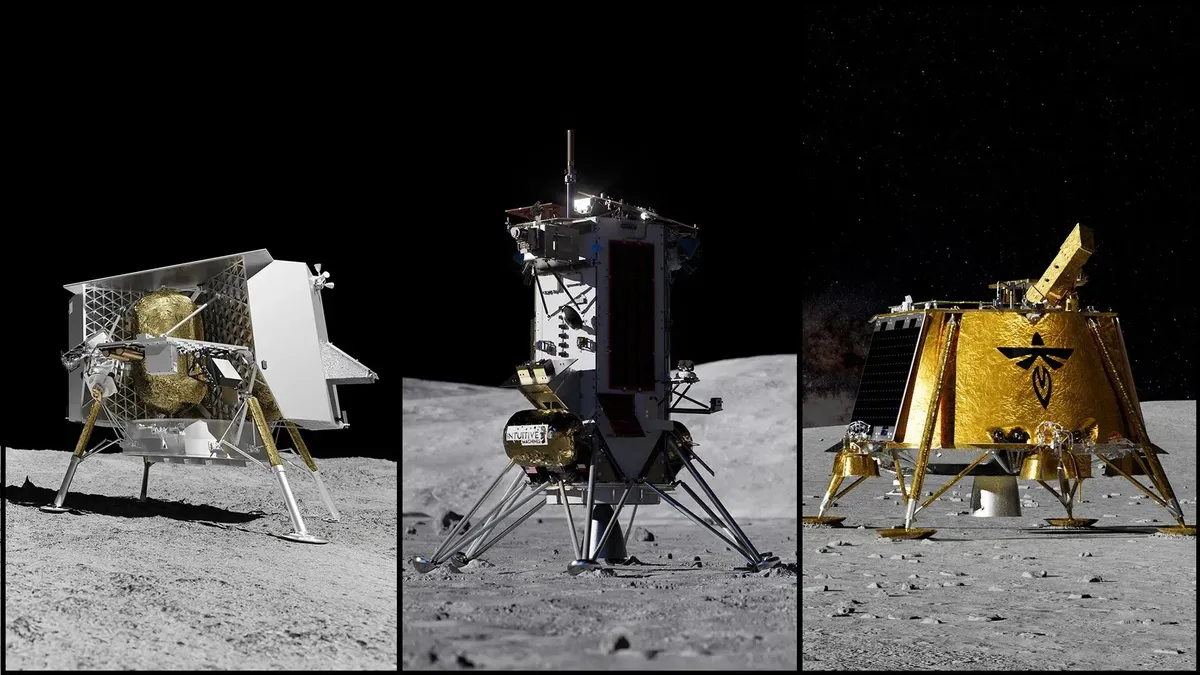
Three U.S. companies — Astrobotic, Firefly Aerospace, and Intuitive Machines — are now on the clock to send robotic science missions to the Moon by late 2028. This isn't just a one-off visit; it's a strategic expansion of NASA's Commercial Lunar Payload Services (CLPS) program, designed to build long-term infrastructure. Because apparently, that’s where we are now: planning lunar real estate development.
The New Lunar Land Rush
Astrobotic snagged two missions for a cool $297.9 million, Firefly got $144.2 million for one, and Intuitive Machines secured $148.3 million for another. NASA plans to use souped-up versions of their existing lunar landers, which means more frequent, more reliable trips. It's a bit like upgrading your favorite delivery service, but instead of pizza, it’s scientific instruments headed 238,900 miles away.
We're a new kind of news feed.
Regular news is designed to drain you. We're a non-profit built to restore you. Every story we publish is scored for impact, progress, and hope.
Start Your News DetoxLori Glaze, associate administrator for NASA’s Human Spaceflight Mission Directorate, put it plainly: these awards are all about accelerating a long-term presence on the Moon. Ryan Stephan, acting director of cargo landers for the Moon Base program, sees it as a cosmic testing ground. Every landing is a lesson, every mission a chance to iron out the kinks before we start sending humans to live there. With 17 commercial lunar surface deliveries now planned, NASA is racking up frequent flyer miles, literally, for data and tech testing.
Science for Human Exploration (and Dust Management)
Each of the four new missions will carry three NASA instruments, all designed to support future human exploration. One standout? The Stereo Camera for Lunar Plume Surface Studies. This little marvel will capture high-resolution 3D images of rocket exhaust kicking up lunar dust during landings. Because when you’ve got multiple spacecraft trying to land close together, understanding lunar dust dynamics becomes surprisingly critical. Nobody wants a moon dust storm taking out the Wi-Fi.
Then there’s the Laser Retroreflector Array, a tiny device that acts as a permanent navigation beacon by reflecting laser signals from orbiting spacecraft. Think of it as a cosmic GPS marker, ensuring future missions don’t get lost in the vast lunar plains. And to keep our future Moon residents safe, the Linear Energy Transfer Spectrometer will measure radiation levels, helping design longer, safer missions. As Joel Kearns, deputy associate administrator for exploration, pointed out, flying the same instruments on multiple landers is like setting up a network of lunar weather stations, giving us a much clearer picture of what to expect.
NASA isn't stopping there. They're eyeing a PROMISE rover, based on the Mars-faring Perseverance and Curiosity rovers, to hunt for resources near the Moon's south pole. Plus, they’re looking for proposals for even more commercial landers and tech demos, including a south polar imaging mission and a communication network to keep Earth connected to our future lunar assets. Because, really, what's the point of a Moon base if you can't post about it?