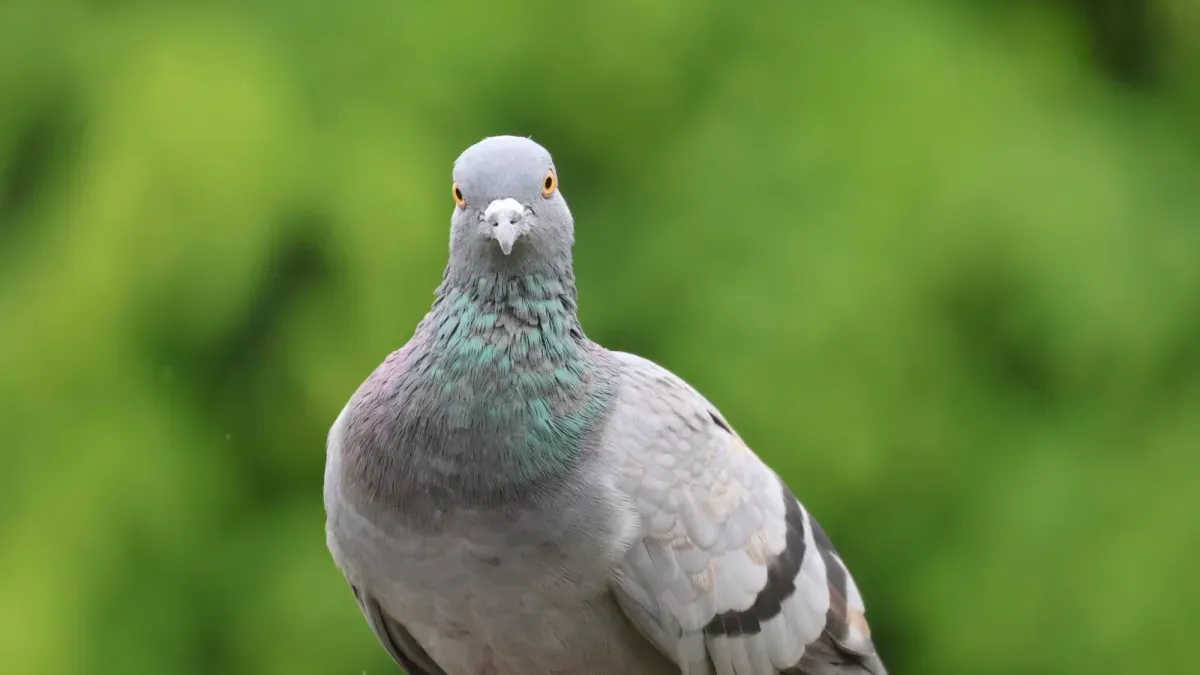
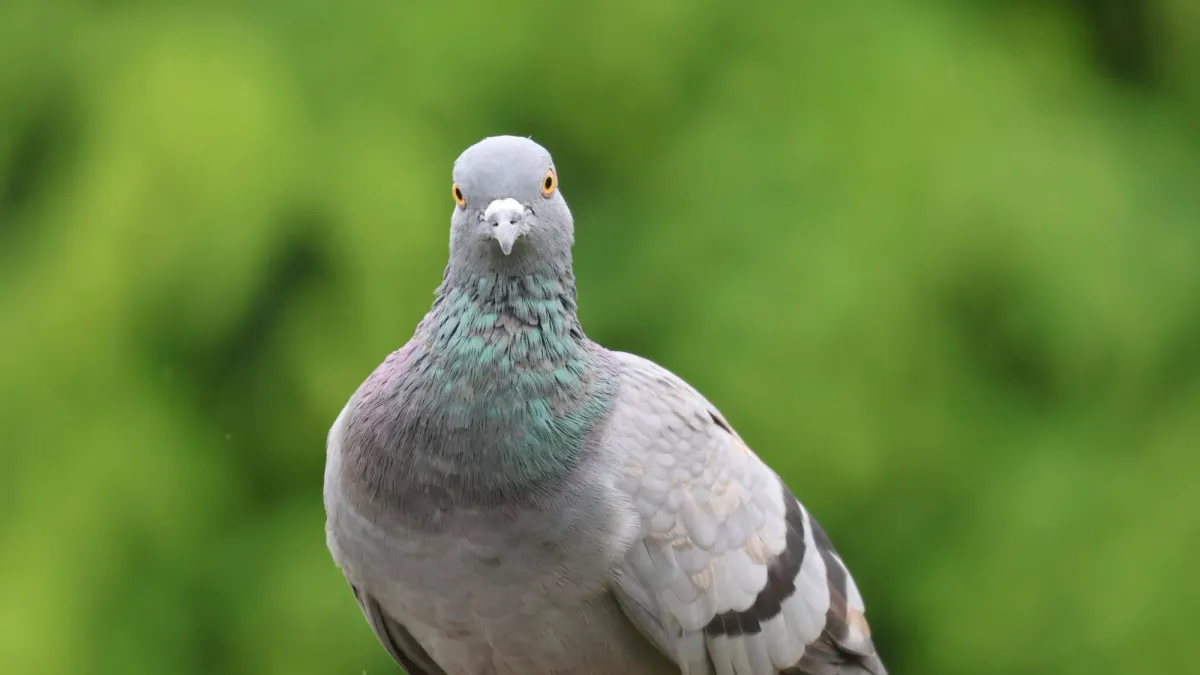
For many years, scientists have known that Earth's magnetic field helps birds like homing pigeons find their way. However, exactly how these birds sense this invisible field has been a mystery.
Now, part of the answer seems to be in an unexpected place: the pigeon's liver. Immune cells in the liver, called macrophages, are sensitive to the planet's magnetic field. These cells act like an internal compass, according to a new study in Science.
How Pigeons Sense the Magnetic Field
Macrophages break down old red blood cells, which causes them to collect iron. This iron makes the macrophages superparamagnetic. This is a type of magnetism found in tiny particles. These particles can become magnetized when a magnetic field is present.
We're a new kind of news feed.
Regular news is designed to drain you. We're a non-profit built to restore you. Every story we publish is scored for impact, progress, and hope.
Start Your News DetoxClivia Lisowski, a co-author of the study and a researcher at the University of Bonn, explained that when pigeons fly, these nanoparticles line up with the magnetic field and become magnetized. This allows pigeons to sense Earth's magnetic field.
To understand how these particles help pigeons navigate, Lisowski and her team looked for magnetic cells in pigeon bodies. They thought the liver and spleen might be good places because they store a lot of iron. The liver showed a much stronger magnetic response than any other tissue in the study. This was noted by Ulf Wiedwald, a nanoscience expert and study co-author.
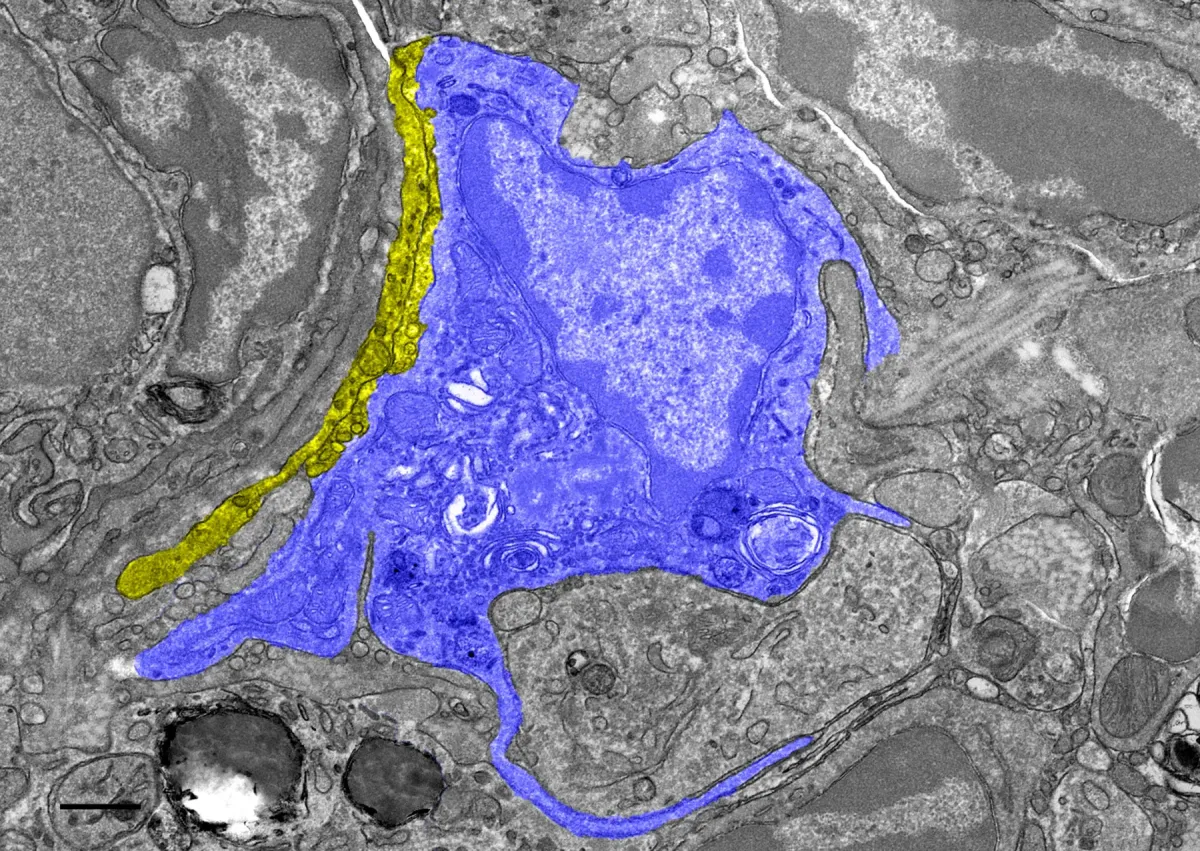
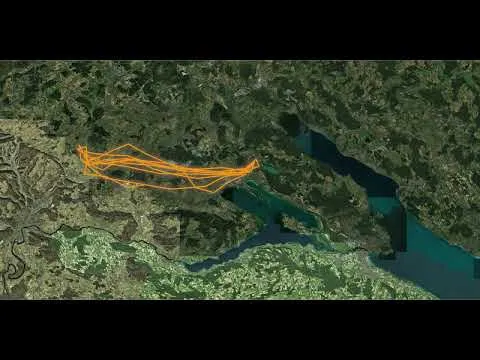
The team then focused on macrophages. They tested pigeons trained to fly home from over 12 miles away. Pigeons that had their macrophages removed got lost when the sky was cloudy. But on sunny days, these pigeons still found their way, likely using the sun as a guide.
These findings show that birds use both magnetic sensing and the sun's position to navigate.
Broader Implications
Lisowski noted that this study has importance for both immune research and animal navigation. She believes this magnetic mechanism could explain how animals like night-migrating birds, sharks, or bats find their way in dark environments.
The researchers also found that these iron-rich macrophages are close to nerve fibers. This suggests that magnetic information can travel to the brain through this path. This highlights the importance of teamwork between different fields, like immunology, behavioral biology, and physics.
Lisowski also explained that the immune system needs to sense its surroundings to perform its functions, like fighting off germs and healing wounds. The discovery that the immune system can also sense Earth's magnetic field adds a new layer to the idea of "immuno-sensation" and opens doors for new research.