Turns out, the International Space Station is now home to a quantum device that uses tiny flaws in a diamond to map Earth's magnetic field. Because, apparently, that's where we are now.
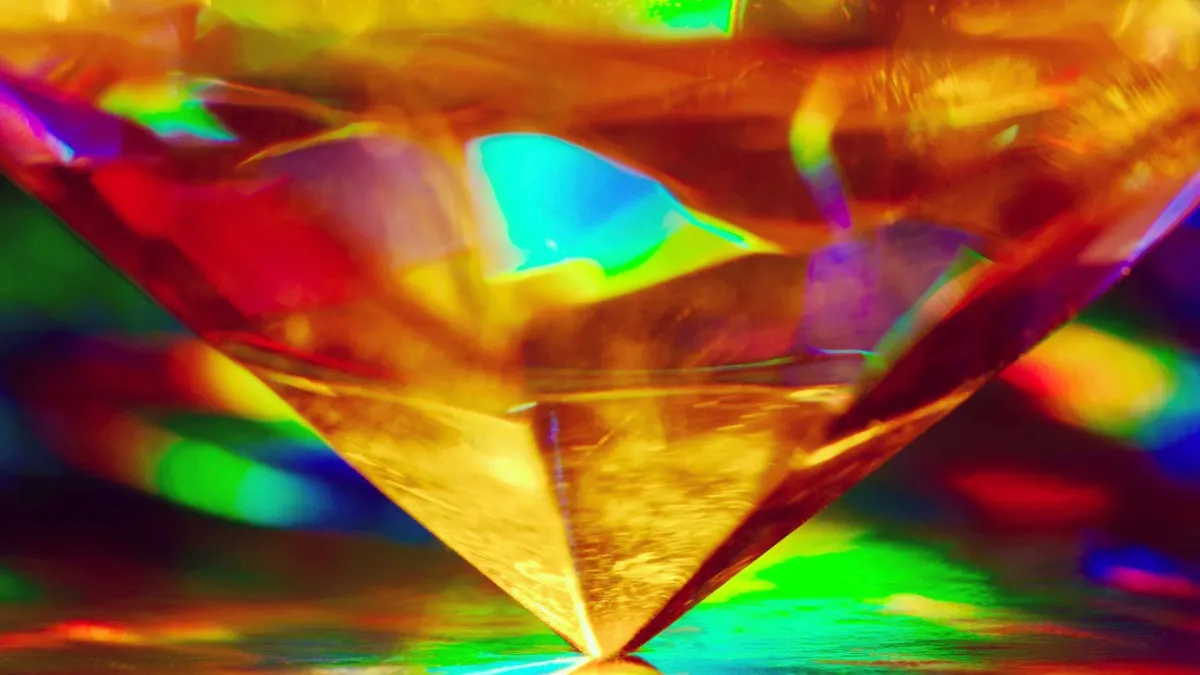
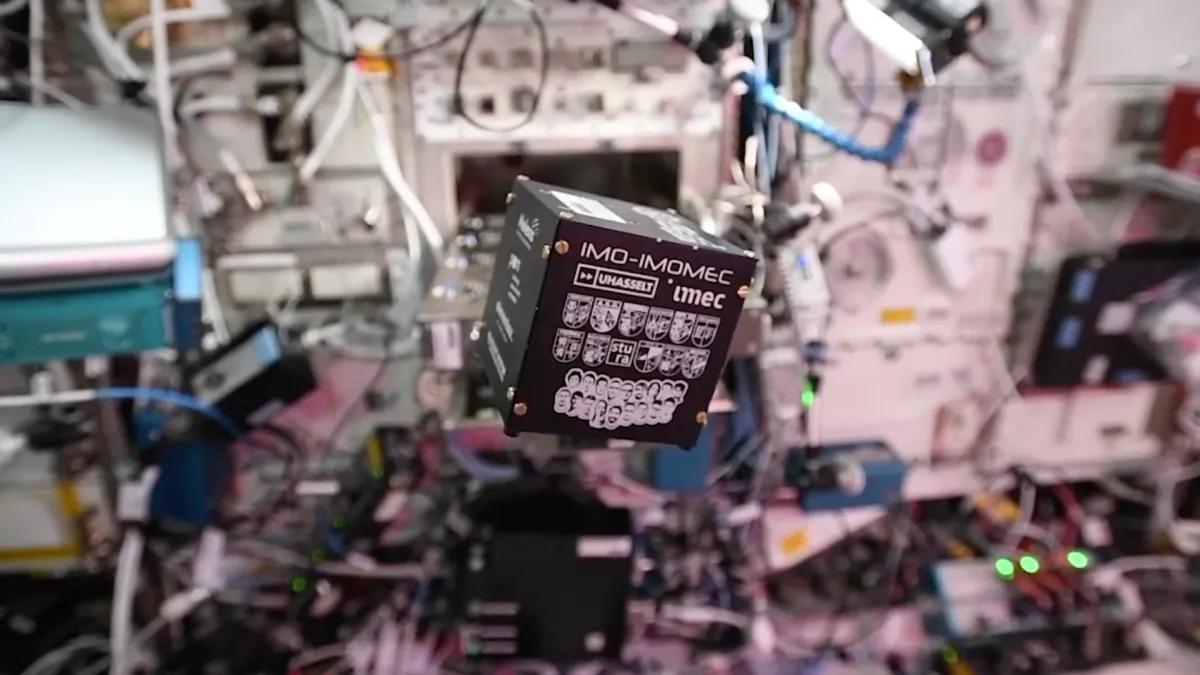
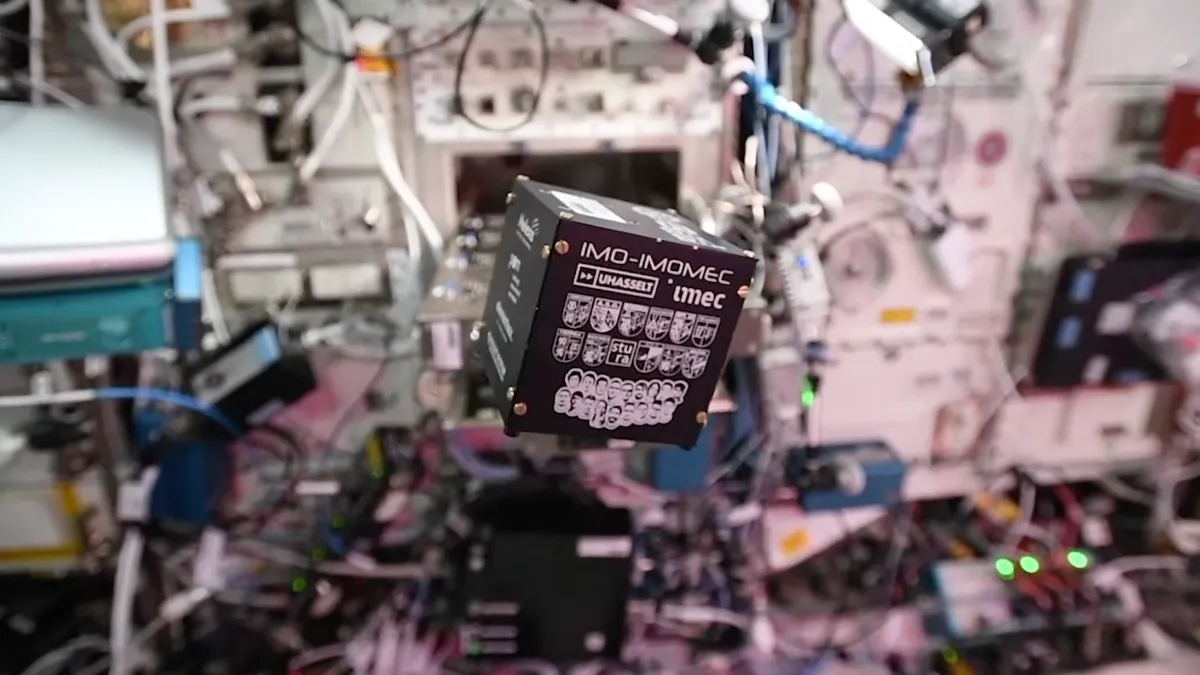
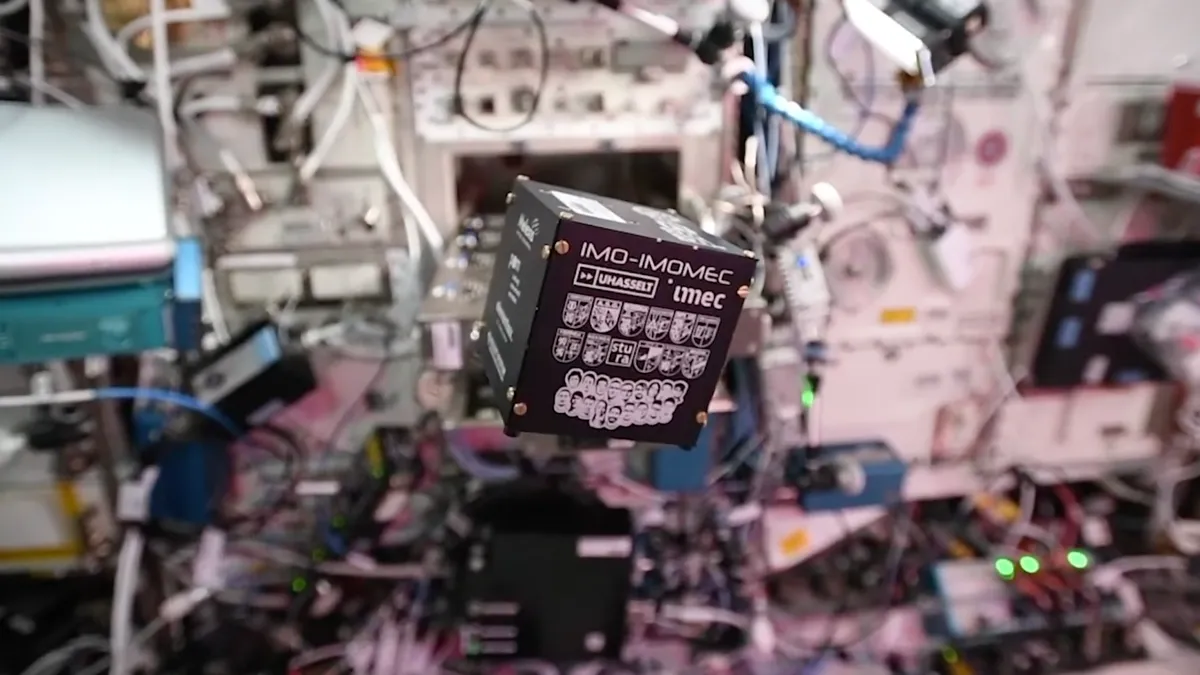
The device, charmingly named OSCAR-QUBE, is roughly the size of a grapefruit — a mere 10 centimeters on each side. Inside this compact cube sits a lentil-sized diamond. This isn't just any bling; it's a diamond with very specific, very useful defects that allow it to detect subtle shifts in magnetic fields.
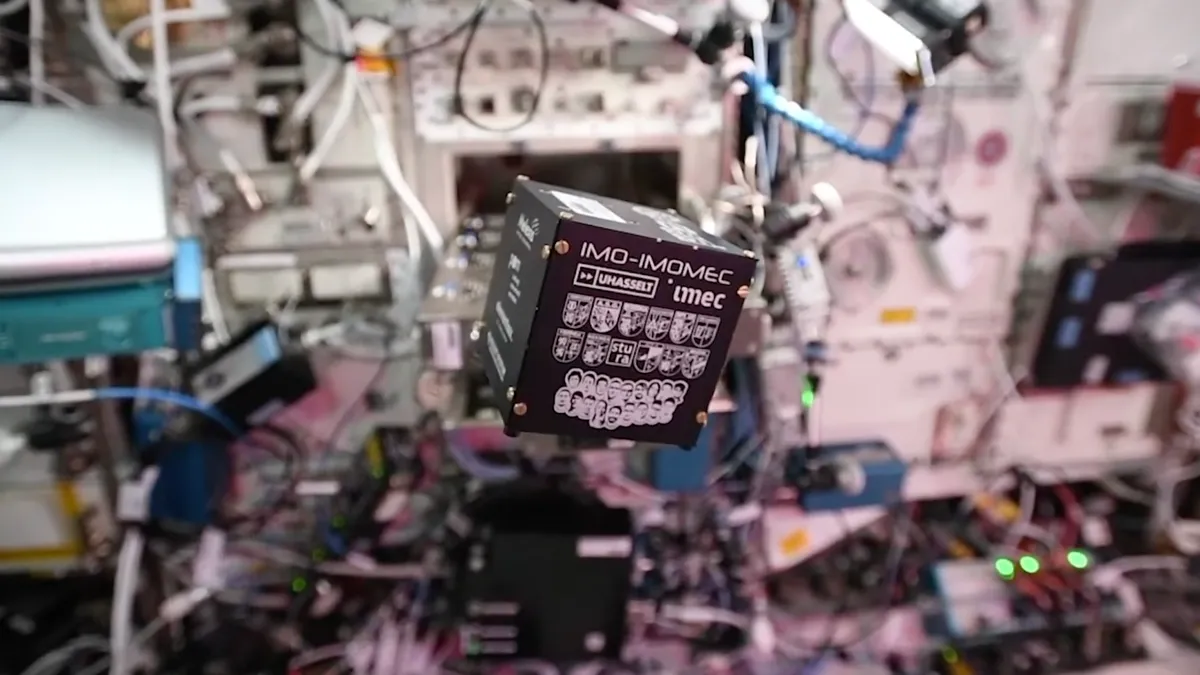
For ten months between 2021 and 2022, OSCAR-QUBE diligently did its job aboard the ISS, proving that quantum magnetometers can, in fact, survive the harsh realities of orbit. This means we might soon see a whole fleet of tiny, quantum-powered satellites circling the planet, each one a diamond-tipped magnetic detective.
We're a new kind of news feed.
Regular news is designed to drain you. We're a non-profit built to restore you. Every story we publish is scored for impact, progress, and hope.
Start Your News DetoxThe Secret Life of a Flawed Diamond
Historically, mapping Earth's magnetic field from space has been the exclusive domain of large, budget-busting satellites. But scientists are now placing their bets on quantum sensors. These little marvels promise not just a smaller footprint, but also a boost in sensitivity and stability. Which, if you think about it, is both impressive and slightly terrifying for anyone still using a compass.
The magic happens thanks to something called "nitrogen-vacancy (NV) centers" within the diamond. Imagine a perfect diamond lattice, but with a missing carbon atom and a nitrogen atom snuggled in nearby. These aren't just imperfections; they're tiny quantum systems whose energy levels get a little twitchy when exposed to magnetic fields.
By zapping the diamond with a laser and microwaves, the research team could observe changes in the light it emitted. These light shifts, in turn, revealed variations in the magnetic field's strength. The readings from OSCAR-QUBE impressively matched previous estimates of Earth's magnetic field, confirming that a diamond in space really can tell you what's up with our planet's invisible shield.
Unlocking Earth's Wobbly Force Field
Scientists have a lot of questions about Earth's magnetic field. They know it's generated by the sloshing of molten iron in our planet's outer core, but they can't quite explain its unpredictable, rapid changes or why it's been slowly, steadily weakening for the last two centuries. It's like a temperamental teenager: you know it's there, but you can't always predict its mood swings.
Accurately mapping this field could finally provide some answers. Beyond solving geological mysteries, better maps could improve navigation in GPS-dead zones and help us understand the deep processes shaping our planet. Jaroslav Hruby of Hasselt University in Belgium, who led the study, put it simply: the field is "fascinating to measure because it holds a lot of information."
While OSCAR-QUBE didn't immediately outshine the best traditional magnetometers (give a tiny space diamond a break), it definitively proved the tech works in orbit. Future missions will pack even better quantum hardware, likely placed outside the ISS to avoid interference from, say, someone's space-toaster.
Soon, these small, cheaper, diamond-powered devices could become the go-to for high-resolution magnetic data, giving us a clearer picture of our planet's enigmatic force field, one tiny flaw at a time. And just imagine the bragging rights.