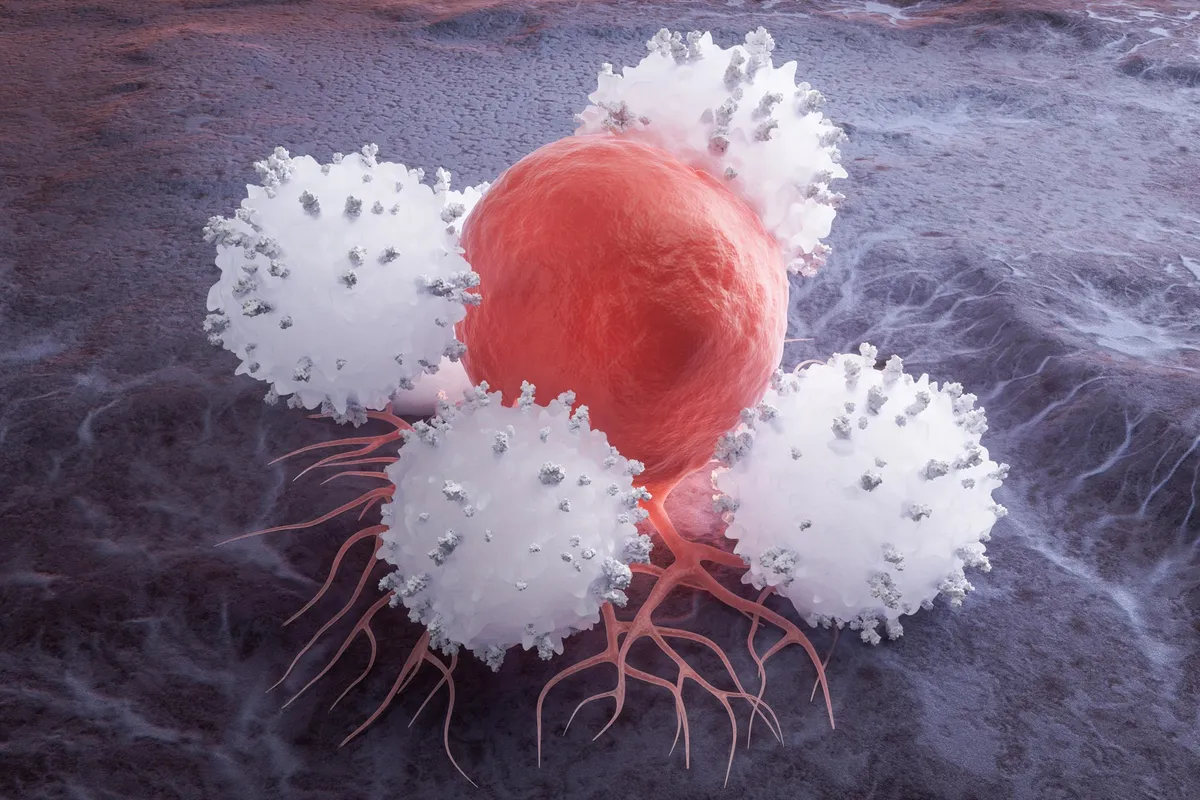
Scientists have captured immune cells actively attacking and consuming live melanoma cells. This discovery could change how melanoma is treated. Melanoma is a common and deadly cancer.
Macrophages: The Body's Housekeepers
Researchers at the Garvan Institute of Medical Research filmed these immune cells, called macrophages, in action. Macrophages are known as the body's "housekeepers" because they clear away dead cells.
The study, published in the Journal of Experimental Medicine, shows macrophages gathering around melanoma tumors. They continuously engulf cancer cells, which helps slow tumor growth.
We're a new kind of news feed.
Regular news is designed to drain you. We're a non-profit built to restore you. Every story we publish is scored for impact, progress, and hope.
Start Your News DetoxDr. Yuki Keith, the study's lead author, said this is the first time anyone has filmed a macrophage attacking a live cancer cell. She noted that studying this in a living system gives a more accurate picture of what happens in the body.
Macrophages can make up to 30% of the cells in a melanoma tumor. Their exact role in cancer, whether helping or hurting tumor growth, has been unclear until now.
CD169 Macrophages Fight Cancer
Dr. Keith and her team found a specific type of macrophage that produces a protein called CD169. When they removed these CD169-positive macrophages, melanoma tumors grew larger. This showed that these specific cells help control tumor growth.
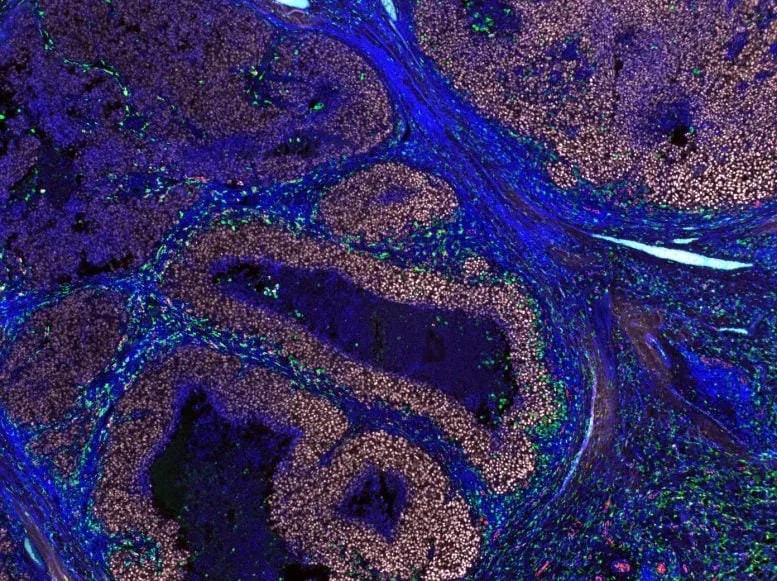
The team used advanced imaging to watch CD169-positive macrophages engulfing live melanoma cells in mice. They also found these same macrophages in human skin samples and around human melanoma tumors.
Professor Tri Phan, a senior author, explained that these macrophages actively "nibble away" and engulf live cancer cells. This action helps limit tumor growth. He added that this attack seems to happen without T cells and B cells, which are usually credited with fighting cancer. This makes the discovery very exciting.

New Hope for Immunotherapy
These findings could greatly impact cancer immunotherapy. Current therapies, which rely on T cells, only work for about half of advanced melanoma patients. This is partly because some tumors, called "cold tumors," prevent T cells from entering.
Dr. Keith believes CD169-positive macrophages could be key. After consuming cancer cells, these macrophages display a piece of the cancer on their surface, like a "red flag." This might signal T cells to enter the tumor and finish the job.
Future Treatments
The researchers now plan to study how CD169-positive macrophages interact with T cells.
Professor Phan suggests that future treatments could boost the number of these macrophages or make them better at tagging cancer cells. Combining this approach with existing therapies could help more patients. This strategy might also work for many other solid tumors, not just melanoma.
Deep Dive & References:
CSF1R-dependent CD169-positive macrophages locally constrain melanoma growth in the skin - Journal of Experimental Medicine, 2026