Uncovering New Life in the Deep Indian Ocean
Scientists have found 149 new species in the deep waters of the Indian Ocean. This discovery happened during an expedition to remote underwater mountains near Christmas and Cocos islands. These islands are southwest of Indonesia, between Australia and Sri Lanka.
The Indian Ocean makes up about one-fifth of the world's ocean area. About 90% of it is deeper than 1,000 meters (3,280 feet). Despite its size, the deep-sea life here is not as well-studied as in the Pacific and Atlantic oceans. This is especially true for the seamounts in the central eastern part of the ocean.

A Treasure Trove of New Species
The expedition explored dozens of these volcanic underwater mountains. Researchers found amazing marine life along the seafloor. The new species include a sea cucumber (Oneirophanta), a greeneye fish (Chlorophthalmus), and a parasitic barnacle (Rhizolepas).
We're a new kind of news feed.
Regular news is designed to drain you. We're a non-profit built to restore you. Every story we publish is scored for impact, progress, and hope.
Start Your News DetoxScientists surveyed depths from 94 to 5,431 meters (308 to 17,818 feet). They mapped a dark seafloor with volcanic seamounts that are 40 to 120 million years old. Some of these mountains are up to 70 kilometers (43 miles) wide.
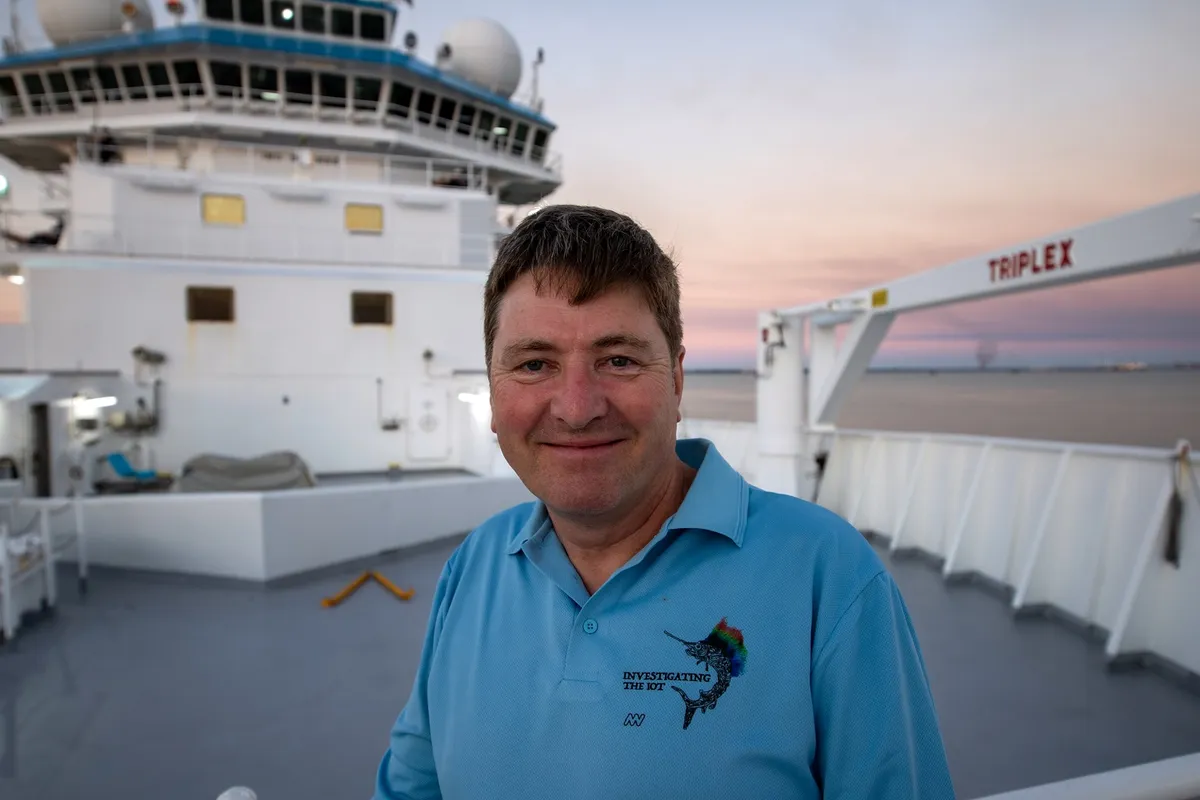
Tim O’Hara, a marine scientist at Museums Victoria in Melbourne, led the study. He told Mongabay that these sites had never been studied before. "People had been around the islands in shallow water before, but no one had looked at life in the deep. It was a massive hole in the data," O’Hara said.
Reaching Remote Underwater Worlds
Getting to these remote sites took a lot of time. The islands are so far away that it took nearly seven days to reach Christmas Island from Darwin, Australia. The findings were published in Deep-Sea Research Part II: Topical Studies in Oceanography in June.